Tailings slurry transport is a critical process in mining operations, and selecting the right system—whether positive pressure or negative pressure—is crucial for efficiency, cost-effectiveness, and environmental compliance. This article explores the key differences between these two methods and provides guidance on how to make an informed decision for your specific mining project.
Understanding Positive Pressure Transport
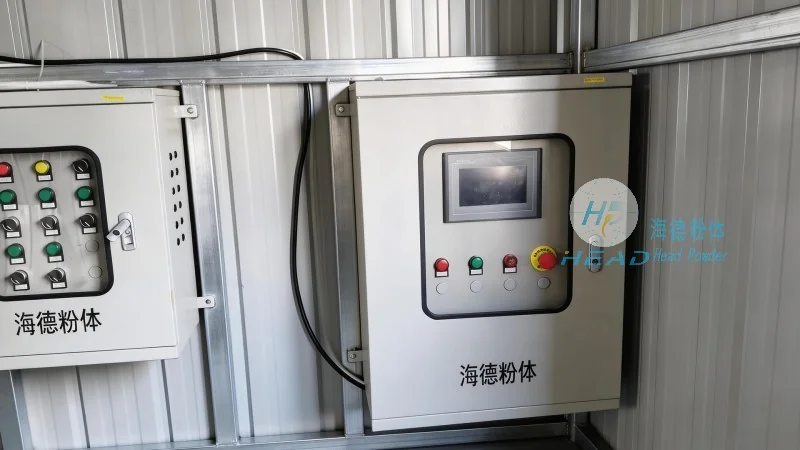
Positive pressure transport systems operate by forcing the slurry through the pipeline using a pump or compressor at the inlet. This method ensures a consistent flow rate and pressure, making it suitable for long-distance or high-volume transport. The primary advantage of positive pressure is its ability to maintain a stable flow, reducing the risk of clogging and ensuring reliable delivery to the disposal site. However, it requires more energy input and may involve higher capital costs due to the need for robust pumping equipment.
Characteristics of Negative Pressure Transport
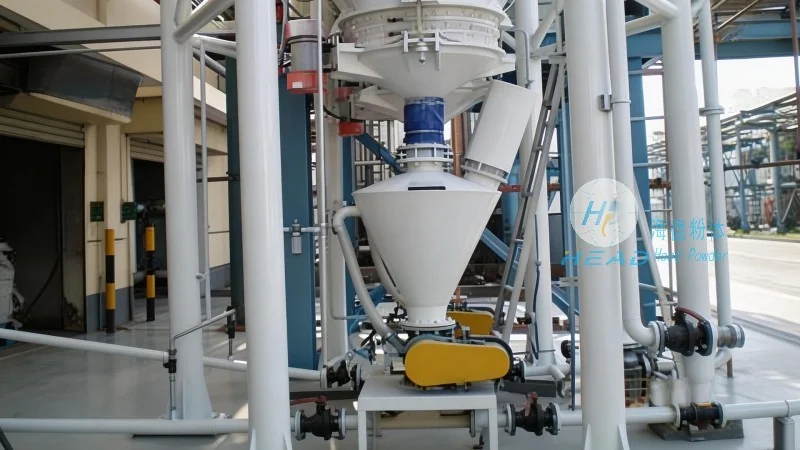
Negative pressure transport, also known as vacuum or suction systems, relies on creating a vacuum at the discharge end to draw the slurry into the pipeline. This method is often more energy-efficient for shorter distances and lower flow rates, as it uses the natural force of gravity and vacuum to move the material. Negative pressure systems are typically less expensive to install and maintain, but they may be less effective for long distances or high-viscosity slurries, as the vacuum can be compromised by air entrainment or pipeline blockages.
Distinguishing Between the Two Systems
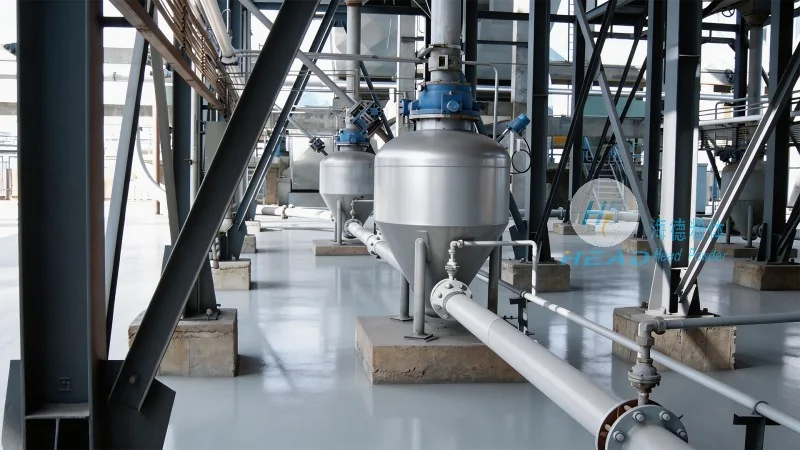
When deciding between positive and negative pressure transport, several factors should be considered. First, the distance and volume of slurry to be transported are critical. Positive pressure is generally preferred for long distances or large volumes, while negative pressure may be suitable for shorter runs or smaller flows. Second, the viscosity and density of the tailings slurry play a role. High-viscosity slurries may require positive pressure to overcome resistance, whereas low-viscosity slurries can be handled by negative pressure systems. Third, energy costs and operational requirements must be evaluated. Positive pressure systems may have higher energy demands but offer better control, while negative pressure systems are more economical for certain applications.
Key Considerations for Your Mining Operation
Before selecting a transport system, it is essential to assess your specific operational needs. Conduct a thorough analysis of the slurry properties, including particle size distribution, moisture content, and chemical composition. This information will help determine the appropriate system for your project. Additionally, consider the infrastructure available at your site, such as existing pipelines, power supply, and space for equipment. Collaborating with experienced engineering firms, like Shandong HeadPowder Engineering Co., Ltd., can provide valuable insights into the most suitable solution for your unique requirements.
Conclusion
Choosing between positive pressure and negative pressure for tailings slurry transport requires a careful evaluation of technical, economic, and operational factors. By understanding the characteristics of each system and considering your project's specific needs, you can select the most effective and efficient transport method. Shandong HeadPowder Engineering Co., Ltd. specializes in providing tailored solutions for mining operations, ensuring that your tailings management process is optimized for performance and sustainability.




