When it comes to efficiently handling aluminum turnings, selecting the right transportation method is crucial for maintaining production efficiency and safety. Shandong HeadPowder Engineering Co., Ltd., a leading provider in the field, offers a range of solutions tailored to the unique needs of aluminum processing facilities. This article explores the primary methods used for aluminum turnings transportation, highlighting their applications and benefits.
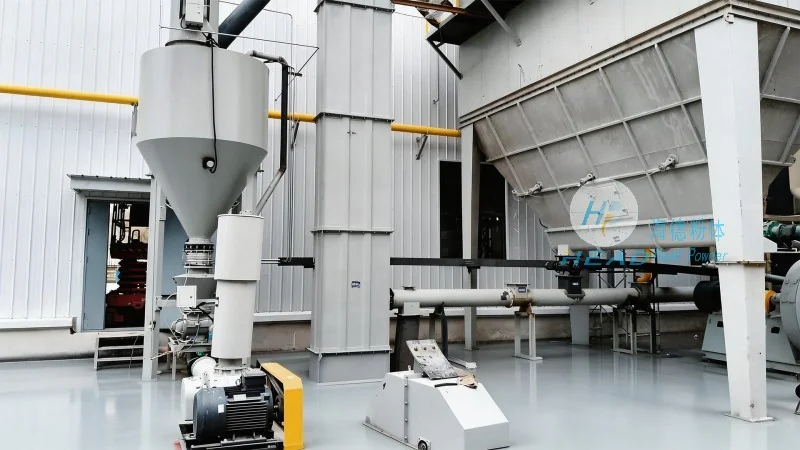
Gravity Conveying Systems
Gravity conveying systems utilize the natural force of gravity to move aluminum turnings from one point to another. These systems typically consist of inclined chutes or troughs that allow the material to flow downward without the need for external power. The design of gravity conveyors is straightforward, making them an economical choice for short-distance transport where the material has sufficient bulk density and flow characteristics. For instance, in a foundry or machining shop, gravity chutes can be used to move turnings from a collection bin to a storage area or to a melting furnace. The key advantage of this method is its low operational cost and minimal maintenance requirements, as it relies on the material's own weight to facilitate movement. However, it is most effective for materials that are free-flowing and do not contain excessive moisture or fines that could cause clogging.
Mechanical Conveying Equipment
Mechanical conveying systems employ machinery to move aluminum turnings, offering greater control and adaptability compared to gravity systems. Among the most common types are screw conveyors and belt conveyors. Screw conveyors, also known as auger conveyors, use a rotating helical screw to push material forward through a trough. This method is particularly effective for handling bulk materials with varying moisture content and particle sizes, as the screw can be adjusted to control the speed and direction of flow. Belt conveyors, on the other hand, use a continuous belt to transport turnings over a series of rollers or idlers. They are ideal for longer distances and can handle larger volumes of material, making them suitable for connecting different sections of a production line, such as from a machining area to a recycling or processing facility. Both screw and belt conveyors are equipped with safety features like emergency stop buttons and overload protection to ensure safe operation in industrial environments. The choice between these mechanical systems often depends on the specific layout of the facility, the distance to be covered, and the volume of material to be transported.
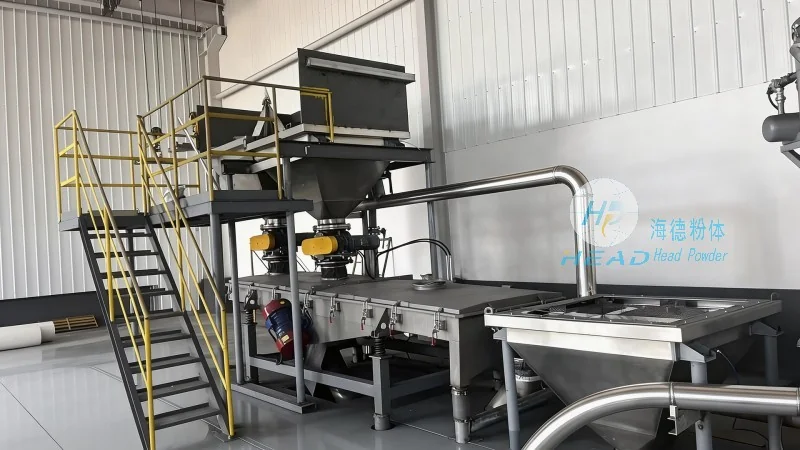
Air-Powered Conveying Systems
Air-powered or pneumatic conveying systems use compressed air to transport aluminum turnings in a closed pipeline. This method is highly efficient for moving fine or dusty turnings over medium to long distances, as it can handle materials that are difficult to convey mechanically, such as those with high moisture content or sticky properties. Pneumatic conveyors typically operate in two modes: dilute-phase and dense-phase. Dilute-phase systems use a high volume of air to create a cloud of material, which is then carried through the pipeline. Dense-phase systems, conversely, use a lower volume of air to push material in a more concentrated stream, reducing the risk of material degradation and clogging. The primary benefits of pneumatic conveying include its ability to handle abrasive materials without causing wear on the system components and its flexibility in routing, as the pipeline can be installed in various configurations to suit the facility layout. However, these systems require a reliable compressed air supply and may have higher energy consumption compared to mechanical or gravity systems. They are commonly used in applications where the turnings need to be transported to a central processing unit or a storage silo, especially in facilities where space is limited or where the material must be kept separate from other processes.
Hybrid Conveying Solutions
In many industrial settings, a single conveying method may not be sufficient to meet all the requirements of aluminum turnings transportation. Hybrid systems combine two or more of the above methods to achieve optimal performance. For example, a facility might use a gravity chute to collect turnings from a machining station and then feed them into a screw conveyor for further transport to a storage bin. Alternatively, a pneumatic system could be integrated with a mechanical conveyor to handle both fine and coarse turnings, with the pneumatic part used for fine dust and the mechanical part for larger pieces. These hybrid solutions offer greater flexibility and efficiency, allowing facilities to adapt to changing production needs and material characteristics. By combining the strengths of different conveying methods, hybrid systems can reduce downtime, improve material handling capacity, and enhance overall operational efficiency. Shandong HeadPowder Engineering Co., Ltd. specializes in designing and manufacturing customized hybrid conveying solutions that are tailored to the specific requirements of each client, ensuring that the most suitable method is implemented for their aluminum turnings transportation needs.
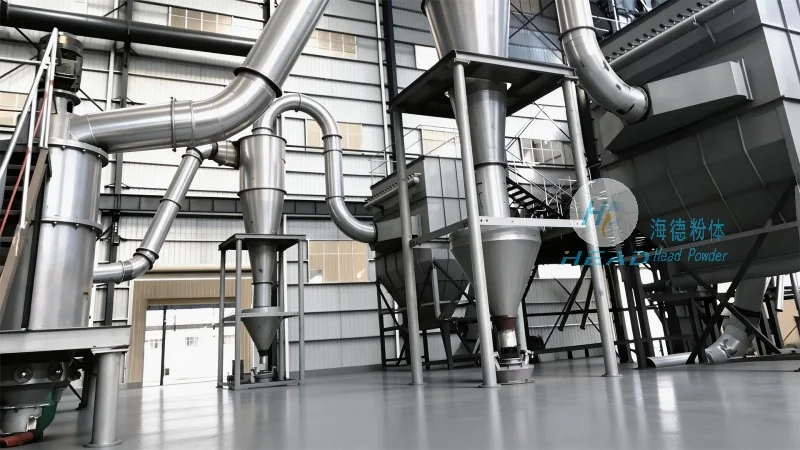
Key Considerations for Selecting a Conveying Method
When choosing a method for transporting aluminum turnings, several factors must be considered to ensure the most effective and efficient solution. The first is the material characteristics, including particle size, moisture content, and bulk density. Materials with high moisture content or fine particles may require pneumatic or mechanical systems to prevent clogging and maintain flow. The second factor is the distance and layout of the facility. Short distances may be suitable for gravity systems, while longer distances or complex layouts may necessitate mechanical or pneumatic systems. The third consideration is the volume of material to be transported, as higher volumes may require larger capacity conveyors, such as belt conveyors or dense-phase pneumatic systems. Additionally, safety and maintenance requirements should be taken into account. Mechanical systems may require more frequent maintenance, while gravity systems have lower maintenance needs but may pose safety risks if not properly designed. By carefully evaluating these factors, facilities can select the most appropriate conveying method that balances cost, efficiency, and safety. Shandong HeadPowder Engineering Co., Ltd. provides expert consultation to help clients assess their specific needs and choose the best conveying solution for their aluminum turnings transportation.
Conclusion
Efficient aluminum turnings transportation is essential for maintaining smooth operations in aluminum processing facilities. The methods discussed, including gravity, mechanical, and pneumatic systems, each offer unique advantages and are suitable for different applications. By understanding the characteristics of the material and the requirements of the facility, businesses can select the most effective conveying method. Shandong HeadPowder Engineering Co., Ltd. is committed to providing high-quality, customized solutions that enhance the efficiency and safety of aluminum turnings transportation, helping clients optimize their operations and achieve their production goals.




