HeadPowder, a leading engineering company based in Shandong, China, specializes in advanced material handling solutions, particularly in the field of airborne conveying for lithium-ion battery electrode materials. This technology plays a crucial role in the efficient and safe transportation of raw materials and finished products within the battery manufacturing process. The following sections will explore the fundamental principles, practical applications, and emerging trends of this technology as applied by HeadPowder.
Principles of Airborne Conveying for Battery Electrode Materials
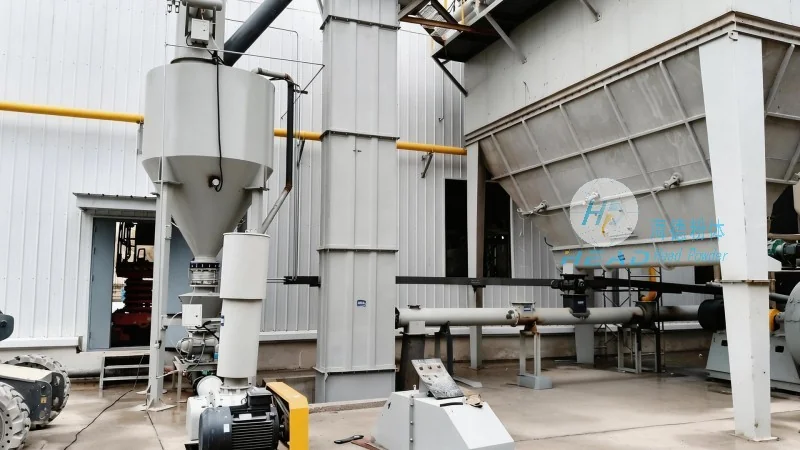
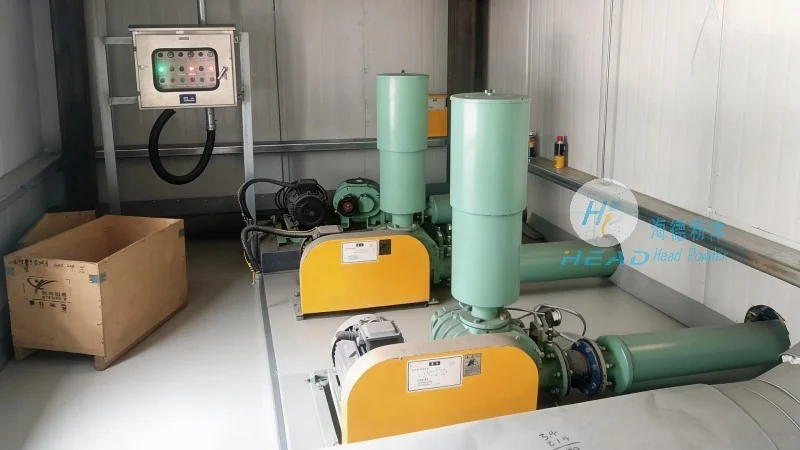
The core principle of airborne conveying involves the use of a pressurized or vacuum system to transport bulk materials through a pipeline using air as the conveying medium. For lithium-ion battery positive and negative electrode materials, such as graphite, lithium iron phosphate (LiFePO₄), and other active materials, this method offers several advantages. The process typically includes feeding the material into a hopper, where it is then pneumatically conveyed through a network of pipes to the target location. Key components include the air compressor, material feeder, pipeline system, and discharge equipment. The selection of appropriate air velocity and pressure is critical to ensure efficient transport while minimizing material degradation and dust generation. HeadPowder’s engineering expertise focuses on optimizing these parameters to meet the specific requirements of different electrode materials, ensuring consistent quality and performance.
Applications in Lithium-Ion Battery Manufacturing
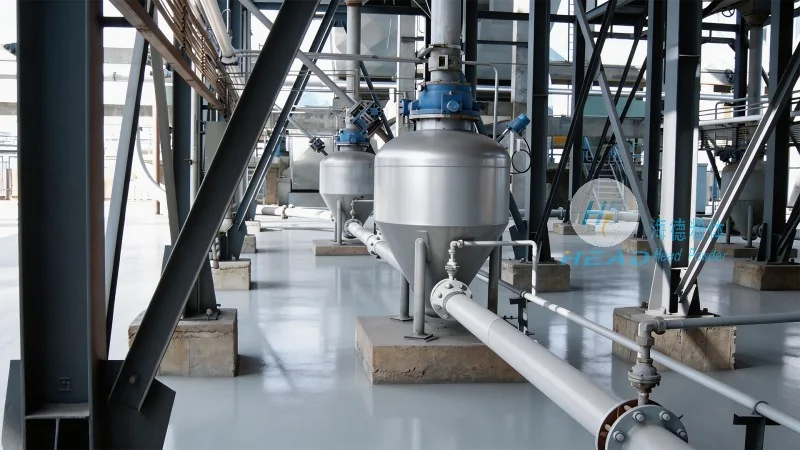
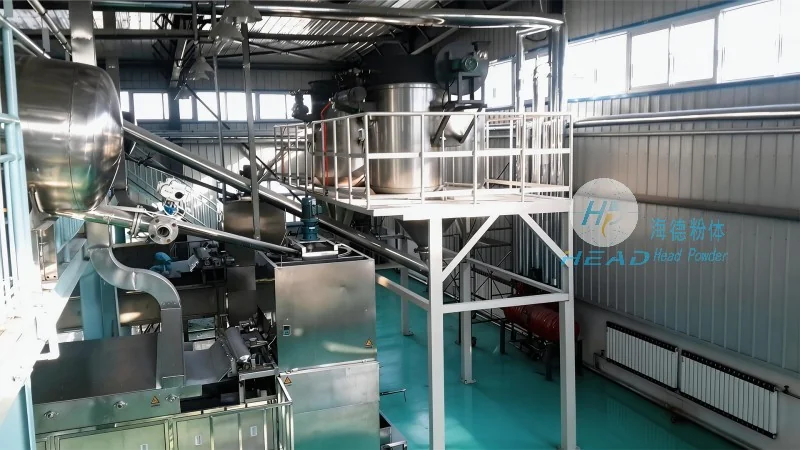
HeadPowder’s airborne conveying systems are widely used in various stages of lithium-ion battery production. In the raw material processing stage, the technology efficiently transports raw materials like graphite, nickel, cobalt, and lithium compounds from storage silos to mixing and grinding equipment. This ensures a continuous and controlled supply of materials, reducing downtime and improving production throughput. During the electrode production phase, airborne conveying is employed to move active materials, binders, and conductive additives from the mixing and coating lines to the drying and calendering units. The ability to handle fine powders with minimal segregation is particularly valuable here, as it maintains the homogeneity of the electrode slurry. In the final assembly stage, the technology can transport finished electrode sheets to the cell formation and packaging lines. HeadPowder’s systems are designed to integrate seamlessly with existing production lines, providing flexibility and scalability to accommodate varying production volumes and material types.
Advancements and Development Trends
The field of airborne conveying for lithium-ion battery materials is continuously evolving, driven by the increasing demand for higher energy density and more efficient manufacturing processes. Recent advancements focus on improving system efficiency, reducing energy consumption, and enhancing material handling capabilities. HeadPowder is at the forefront of these developments, investing in research and development to introduce innovative solutions. For instance, the company has developed advanced control systems that optimize air pressure and flow rates in real-time, leading to significant energy savings. Additionally, there is a growing emphasis on dust control and environmental compliance. HeadPowder’s systems incorporate advanced filtration and dust collection technologies to minimize environmental impact while maintaining operational safety. Another trend is the integration of automation and IoT (Internet of Things) technologies into the conveying systems. This allows for remote monitoring and predictive maintenance, reducing downtime and improving overall system reliability. As the lithium-ion battery industry continues to expand, these advancements will be crucial in meeting the growing demand for high-quality electrode materials and efficient manufacturing processes.




