Pneumatic conveying systems have become increasingly vital in the production and processing of lithium-ion battery materials. As the demand for high-performance batteries grows, efficient and reliable material handling solutions are essential to meet industry standards. This article provides an in-depth look at the concept of pneumatic conveying for lithium-ion battery materials, exploring the working principles of powder handling systems and the role of specialized companies like Shandong HeadPowder Engineering Co., Ltd. (hereinafter referred to as HeadPowder) in delivering advanced solutions.
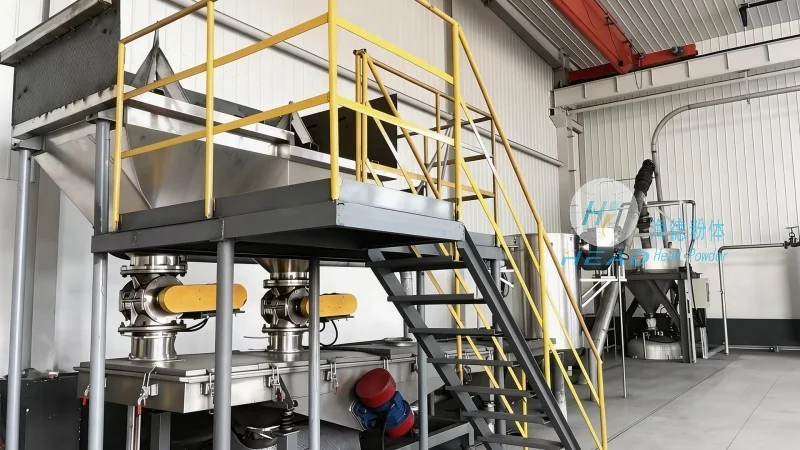
HeadPowder, a leading manufacturer in the field of powder handling technology, specializes in designing and manufacturing pneumatic conveying systems tailored for the lithium-ion battery industry. The company is headquartered in Shandong, China, and has established itself as a trusted partner for businesses seeking to optimize their material transport processes. By integrating cutting-edge engineering and customer-centric approaches, HeadPowder ensures that its systems meet the stringent requirements of modern battery production, including safety, efficiency, and scalability.
The Working Principle of Pneumatic Conveying Systems
Pneumatic conveying, also known as powder handling systems, utilizes compressed air or gas to transport bulk materials, such as lithium-ion battery raw materials, from one location to another. The core principle involves creating a pressure differential that propels the material through a pipeline. There are two primary types of pneumatic conveying systems: dilute-phase and dense-phase. Dilute-phase systems use low air-to-material ratios, typically operating at high velocities, while dense-phase systems employ higher air-to-material ratios, moving material at lower velocities to reduce particle degradation.
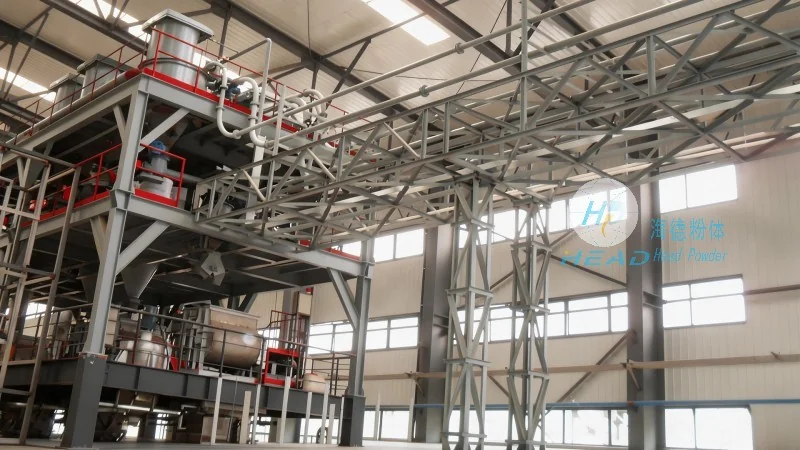
For lithium-ion battery materials, such as lithium carbonate, nickel oxide, and graphite, the choice of system depends on the material's properties, including particle size, moisture content, and abrasiveness. Dilute-phase systems are often preferred for materials with relatively low dust generation and moderate flowability, as they offer high throughput and low pressure drop. In contrast, dense-phase systems are ideal for materials that are more sensitive to attrition or require precise control over material velocity, ensuring minimal product degradation during transport.
Key Components of a Pneumatic Conveying System
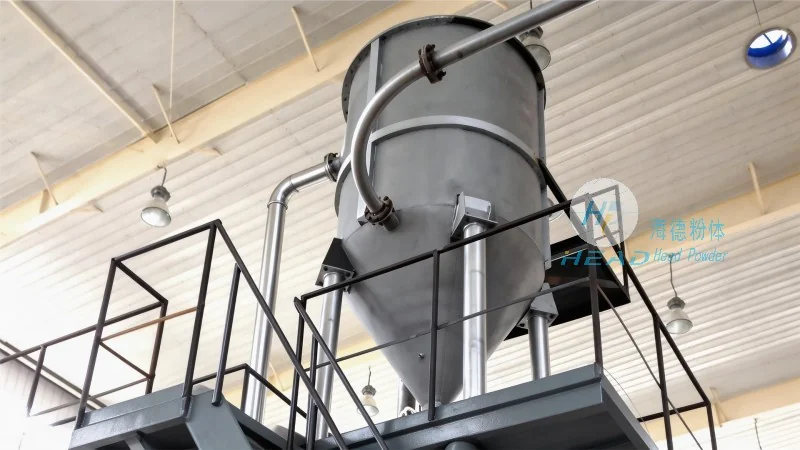
A typical pneumatic conveying system consists of several critical components that work in tandem to ensure efficient material transport. These components include the material feed hopper, which holds the raw material and controls the flow rate; the air compressor or blower, which generates the necessary pressure to move the material; the conveying line, which is the pipeline through which the material travels; and the discharge equipment, such as a receiver or cyclone separator, which collects the material at the destination.
Each component plays a crucial role in the overall performance of the system. The feed hopper is designed to minimize material bridging and ensure a consistent flow, while the air compressor provides the required pressure and airflow. The conveying line is typically made of materials like stainless steel or plastic, chosen for their resistance to corrosion and wear from the battery materials. The discharge equipment, often equipped with filters and cyclones, separates the material from the air and prevents dust contamination, ensuring a clean and safe operation.
Benefits of Pneumatic Conveying for Lithium-Ion Battery Production
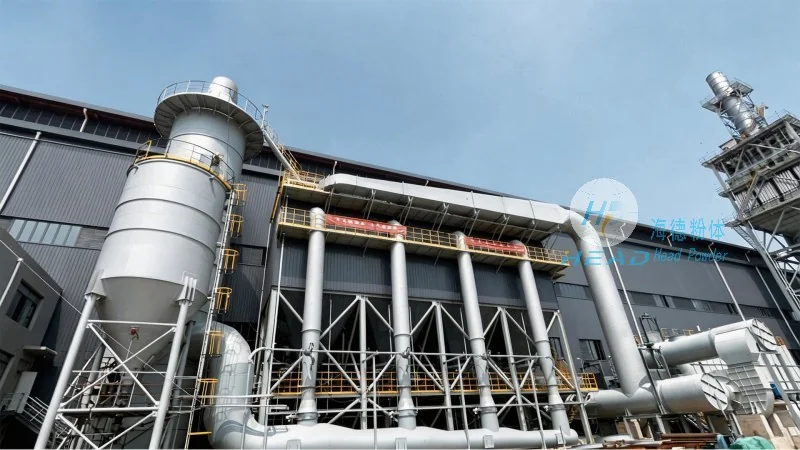
Implementing pneumatic conveying systems in lithium-ion battery production offers numerous advantages that enhance operational efficiency and product quality. One of the primary benefits is the ability to transport materials in a closed system, which minimizes dust exposure and environmental contamination. This is particularly important in battery manufacturing, where dust can affect product purity and pose health risks to workers. Additionally, closed systems prevent material loss and reduce the need for manual handling, improving workplace safety and reducing labor costs.
Another significant advantage is the high throughput and flexibility of pneumatic conveying systems. These systems can handle a wide range of material types and volumes, adapting to varying production demands. They also allow for easy integration with other production equipment, such as mixing and coating machines, enabling seamless material flow throughout the battery manufacturing process. Furthermore, the use of compressed air provides a clean and dry environment, which is essential for maintaining the quality of sensitive battery materials.
HeadPowder's Expertise in Pneumatic Conveying Solutions
Shandong HeadPowder Engineering Co., Ltd. leverages its extensive experience and technical expertise to develop customized pneumatic conveying solutions for the lithium-ion battery industry. The company's team of engineers works closely with clients to understand their specific material handling challenges and design systems that meet their unique requirements. By utilizing advanced simulation tools and material testing, HeadPowder ensures that its systems are optimized for performance, reliability, and longevity.
HeadPowder's commitment to quality is evident in its manufacturing processes and product testing. The company adheres to international standards and employs rigorous quality control measures to ensure that each system meets or exceeds industry benchmarks. This dedication to quality has earned HeadPowder a reputation as a reliable supplier of pneumatic conveying equipment, trusted by businesses worldwide for their innovative and efficient solutions.
Conclusion
Pneumatic conveying systems are a cornerstone of modern lithium-ion battery production, offering efficient, safe, and reliable material handling solutions. By understanding the working principles of these systems and leveraging the expertise of companies like Shandong HeadPowder Engineering Co., Ltd., manufacturers can optimize their production processes, enhance product quality, and stay competitive in the rapidly evolving battery industry. As the demand for advanced battery technologies continues to grow, the role of efficient powder handling systems will only become more critical, making it essential for businesses to invest in reliable and innovative solutions.




