For industrial applications involving the transport of coal and coke materials, pneumatic conveying systems offer an efficient and reliable solution. These systems utilize air or gas to move bulk materials through a pipeline network, providing a flexible and often dust-free method of material handling. Understanding the operation process and working principles of such systems is crucial for optimizing performance and ensuring safe operation in industrial settings.
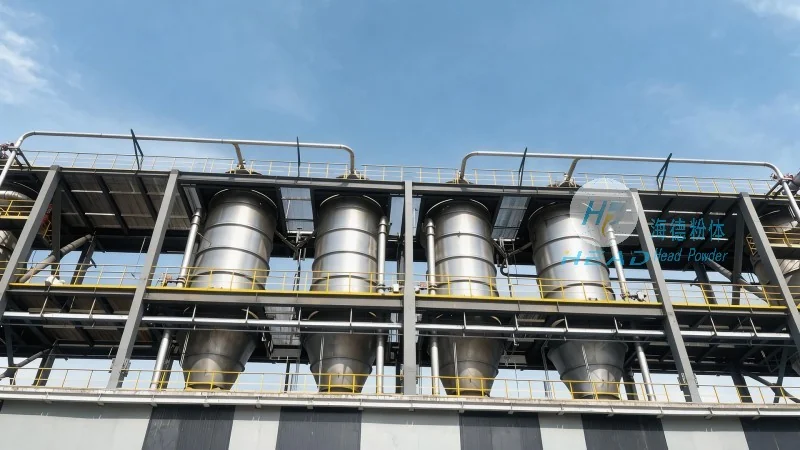
About Shandong HeadPowder Engineering Co., Ltd.
HeadPowder, the professional provider of pneumatic conveying solutions, is headquartered in Shandong, China. As a leading manufacturer and supplier in the field, the company specializes in designing, manufacturing, and installing advanced pneumatic conveying systems tailored to the unique needs of coal and coke processing industries. With a strong commitment to quality and innovation, HeadPowder has established itself as a trusted partner for businesses seeking efficient material handling solutions.
What is Pneumatic Conveying for Coal and Coke Materials?
Pneumatic conveying, also known as air conveying, is a technology that enables the transport of bulk solid materials using a stream of air or gas. In the context of coal and coke, this method is particularly effective due to the materials' characteristics, such as their particle size, density, and moisture content. The system typically consists of a feeding device, a conveying line, a separation unit, and a collection hopper. The primary goal is to move the material from a source location to a destination without the need for mechanical components like belts or buckets.
The Operation Process of Pneumatic Conveying Systems
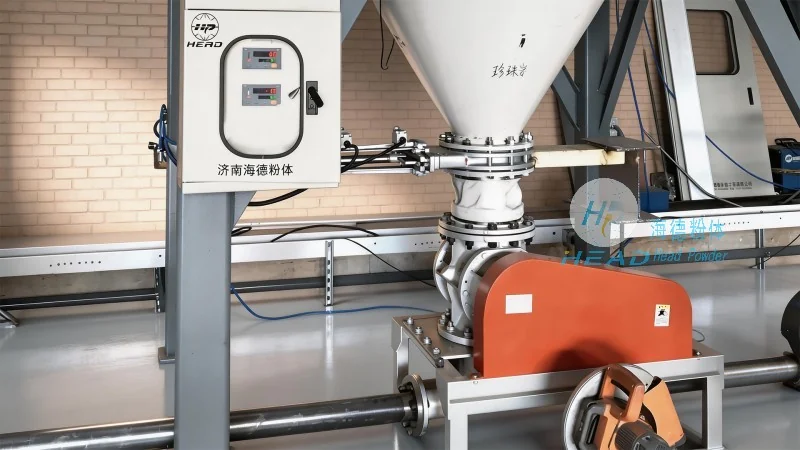
The operation process of a pneumatic conveying system for coal and coke materials involves several key steps that ensure efficient and continuous material transport. First, the material is fed into the system through a hopper or feeder, which regulates the flow rate and prevents blockages. Next, a fan or blower generates the necessary air pressure to create a flow within the pipeline. The material is then introduced into the air stream, either by a venturi or a rotary valve, and carried along with the air. The conveying line may include bends, expansions, or other components to guide the material to the desired location. Finally, the material is separated from the air in a cyclone or filter, and collected in a storage bin or silo. This process is repeated continuously, allowing for a steady supply of coal or coke to downstream processes such as crushing, screening, or blending.
The Working Principle of Pneumatic Conveying Systems
The working principle of pneumatic conveying systems for coal and coke materials is based on the principles of fluid dynamics and particle motion. The system operates by creating a pressure differential between the inlet and outlet of the conveying line. The fan or blower provides the necessary pressure to overcome the resistance of the pipeline and the weight of the material. As the air flows through the line, it carries the particles along with it, forming a two-phase flow of air and solid. The velocity of the air is critical; it must be sufficient to keep the particles suspended and prevent settling or blockages. The design of the system, including the size of the pipeline, the type of air inlet, and the separation equipment, is tailored to the specific characteristics of the coal or coke being transported. This ensures optimal performance and minimal energy consumption.
Key Components and Their Functions
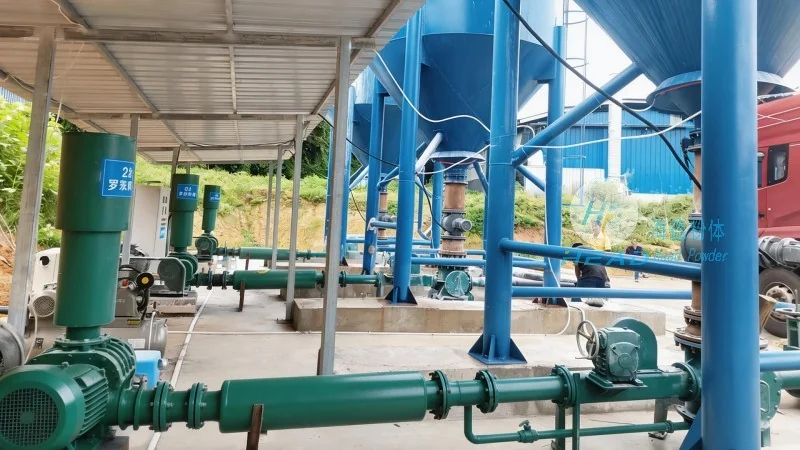
Several key components are integral to the operation of a pneumatic conveying system for coal and coke materials. The feeding device, such as a rotary valve or a screw feeder, controls the flow of material into the system, preventing overloading and ensuring a consistent feed rate. The conveying line, typically made of stainless steel or other corrosion-resistant materials, is designed to withstand the abrasive nature of coal and coke particles. The separation unit, often a cyclone separator, uses centrifugal force to separate the material from the air, collecting the solid particles in a hopper. The fan or blower provides the necessary air pressure and flow rate, with options including positive pressure and negative pressure systems. The control system monitors and adjusts the operation of the components, ensuring optimal performance and safety. Each component plays a crucial role in the overall efficiency and reliability of the system.
Advantages of Pneumatic Conveying for Coal and Coke Handling
Pneumatic conveying systems offer several advantages when handling coal and coke materials. One of the primary benefits is the ability to transport materials over long distances without the need for intermediate storage or transfer points. This reduces the risk of material degradation and contamination. The system is also flexible, allowing for changes in the layout or flow direction without major modifications. Additionally, pneumatic conveying is dust-free, which improves workplace safety and reduces the need for dust control measures. The system is also relatively compact, requiring less floor space compared to traditional mechanical conveying systems. Finally, the energy efficiency of modern pneumatic conveying systems has improved significantly, making them a cost-effective solution for large-scale material handling.
Applications in Coal and Coke Processing
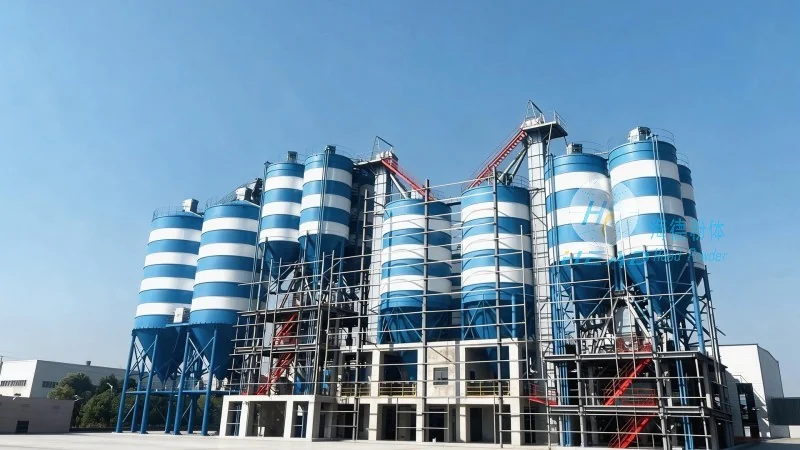
Pneumatic conveying systems are widely used in various stages of coal and coke processing. In coal preparation plants, the system is used to transport raw coal from stockpiles to crushers and screens. In coke plants, it is used to move coke from the oven to the storage area or to downstream processes such as blending and sizing. The system is also used in power plants to transport coal from the coal yard to the boiler. In each application, the system is designed to handle the specific characteristics of the material, such as particle size, moisture content, and abrasiveness. The flexibility and reliability of pneumatic conveying make it an ideal choice for these demanding applications.
Conclusion
In conclusion, pneumatic conveying systems for coal and coke materials are a highly effective and efficient method of material handling. The operation process involves feeding the material, creating an air flow, transporting the material through the pipeline, separating the material from the air, and collecting the material. The working principle is based on fluid dynamics and particle motion, with the system designed to optimize the transport of the material. HeadPowder, with its expertise in designing and manufacturing these systems, provides reliable solutions for the coal and coke industry. By understanding the operation process and working principles of pneumatic conveying, businesses can ensure optimal performance, safety, and cost-effectiveness in their material handling operations.




