Hybrid powder handling systems represent a sophisticated approach to managing bulk materials in industrial settings. These systems combine the efficiency of pneumatic and mechanical conveying methods, offering a versatile solution for various powder processing applications. Understanding the structural principles and operational mechanics of such systems is crucial for optimizing material flow, reducing downtime, and enhancing overall productivity in manufacturing and processing industries.
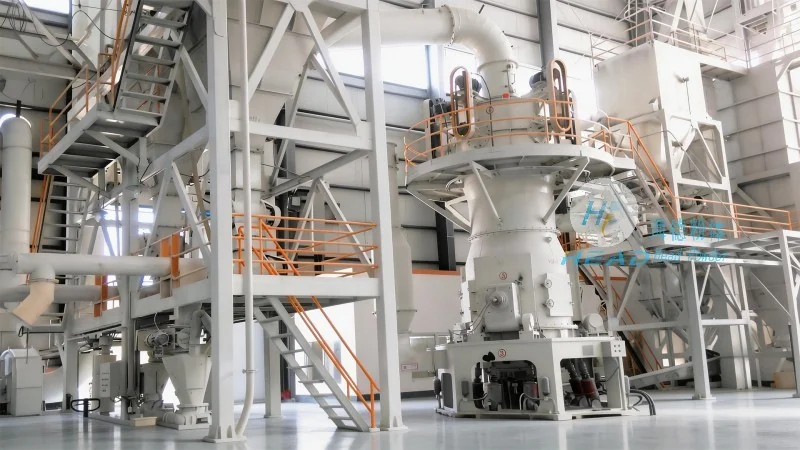
Understanding Hybrid Powder Handling Systems
At the core of hybrid powder handling systems is the integration of different conveying technologies to address the unique challenges of transporting powders. Unlike traditional pneumatic or mechanical systems, hybrid designs leverage the strengths of both approaches. For instance, they may use a mechanical conveyor for initial material transport and then switch to pneumatic conveying for longer distances or more complex routing. This combination allows for greater flexibility in system design and operation, making them suitable for a wide range of industrial applications, from pharmaceuticals and food processing to chemical manufacturing and mining.
Structural Principles of Hybrid Powder Conveying
The structural design of hybrid powder handling systems involves several key components that work in concert to ensure efficient material transport. These components typically include a material inlet, a mechanical conveyor section (such as a screw or belt conveyor), a transition section that connects the mechanical and pneumatic parts, and a pneumatic conveying section with a blower or compressor. The transition section is critical as it must handle the change from mechanical to pneumatic transport, ensuring that the powder is properly accelerated and directed without causing blockages or material degradation.
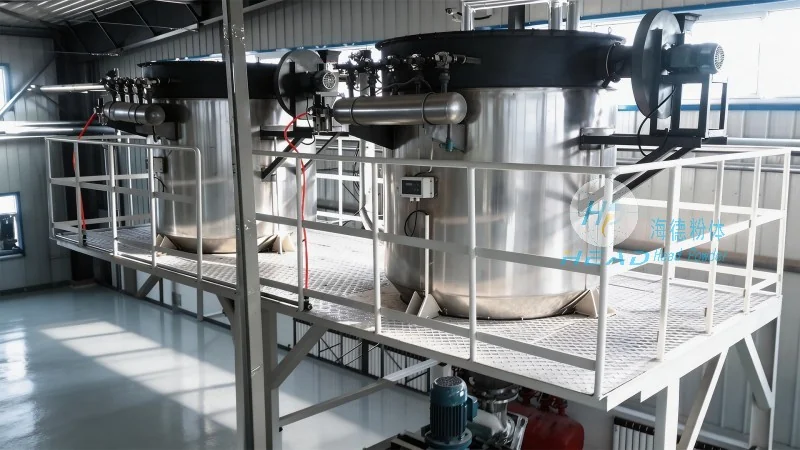
Applications and Benefits in Industrial Operations
Hybrid powder handling systems are widely adopted in industries where precise control over material flow is essential. In pharmaceutical manufacturing, for example, these systems help maintain the purity and integrity of powders, preventing contamination and ensuring consistent product quality. In food processing, they enable the safe and hygienic transport of ingredients, meeting stringent regulatory requirements. The benefits of hybrid systems extend beyond material handling; they also contribute to energy efficiency by optimizing the use of both mechanical and pneumatic power sources. Additionally, these systems can reduce maintenance costs by minimizing the wear and tear on individual components compared to single-method systems.
Key Components and Operational Mechanics
Each component of a hybrid powder handling system plays a vital role in its overall performance. The material inlet is designed to feed powders into the system without causing blockages or dust emissions. The mechanical conveyor section, often a screw conveyor, provides initial transport and can be adjusted to control the flow rate. The transition section, which may include a diverter or a pressure vessel, ensures a smooth changeover from mechanical to pneumatic transport. The pneumatic section uses compressed air or gas to move the powder through the system, with the blower or compressor providing the necessary pressure and flow rate. The system may also include filters and cyclones to separate the powder from the air, ensuring that the exhaust is clean and the powder is recovered efficiently.
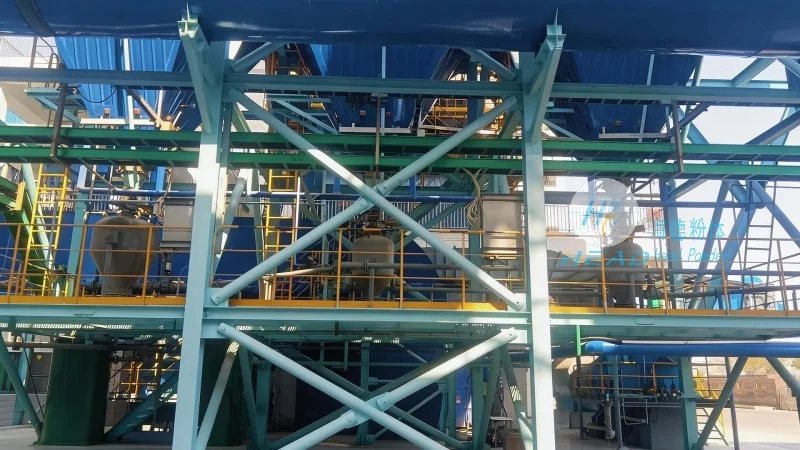
Customization and Integration with Existing Systems
One of the significant advantages of hybrid powder handling systems is their adaptability. They can be customized to fit specific operational needs, such as varying the length of the pneumatic section or the speed of the mechanical conveyor. Additionally, these systems can be integrated with existing infrastructure, allowing companies to upgrade their material handling capabilities without a complete overhaul of their facilities. This flexibility makes hybrid systems an attractive option for both new installations and retrofit projects, helping businesses to improve their operational efficiency and reduce costs over time.
Maintenance and Longevity of Hybrid Systems
Maintaining the performance of hybrid powder handling systems is essential for maximizing their lifespan and operational efficiency. Regular maintenance includes checking the condition of the mechanical conveyor components, such as screws and bearings, and ensuring that the pneumatic system is operating at optimal pressure. The transition section and filters also require periodic inspection to prevent clogging or damage. By adhering to a regular maintenance schedule, companies can extend the life of their hybrid systems and minimize the risk of unexpected downtime. This proactive approach to maintenance not only saves costs but also ensures that the system continues to operate at peak performance, meeting the demands of modern industrial operations.




