Pneumatic conveying of stone materials is a critical technology for industries dealing with bulk material handling. This article provides an in-depth look at what pneumatic conveying entails and the essential design principles that ensure its effective application in transporting stone aggregates and similar materials.
Pneumatic Conveying: A Fundamental Overview
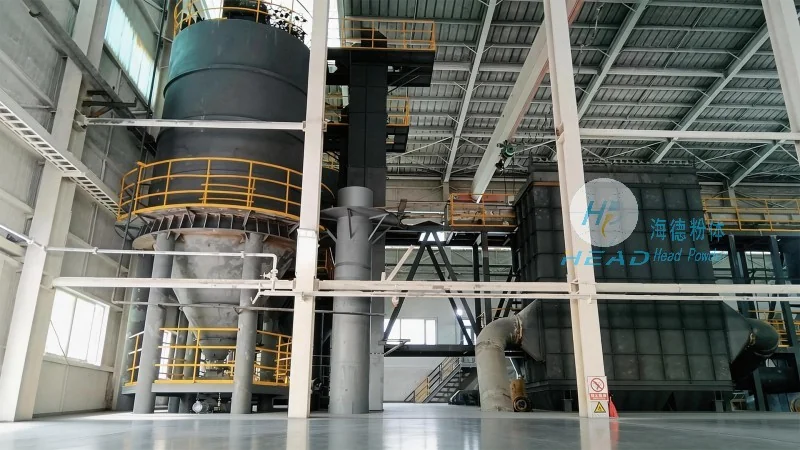
Pneumatic conveying utilizes air pressure to transport solid materials like stone through a pipeline. Unlike mechanical systems that rely on belts, screws, or buckets, pneumatic systems move materials by suspending them in an air stream. This method offers significant advantages, including the ability to handle materials over long distances, through vertical and horizontal paths, and even in complex layouts without the need for multiple transfer points. The core of this technology lies in the efficient movement of bulk materials with minimal human intervention and reduced equipment wear compared to traditional methods.
Key Design Principles for Stone Material Pneumatic Conveying Systems
The successful implementation of a pneumatic conveying system for stone materials depends on a comprehensive understanding of several key design principles. These principles guide the selection of equipment, system layout, and operational parameters to ensure optimal performance, reliability, and cost-effectiveness. The primary considerations include:
1. Material Characteristics and Flow Properties
Stone materials, such as gravel, crushed rock, or sand, exhibit unique physical properties that directly impact system design. Factors like particle size distribution, density, moisture content, and abrasiveness are critical. For instance, coarser or more abrasive materials may require higher air velocities and more robust components to prevent wear and maintain consistent flow. The material's flowability, or how easily it moves through the system, is also influenced by its moisture content; excessive moisture can cause clogging or reduced conveying efficiency.
2. System Configuration and Layout Design
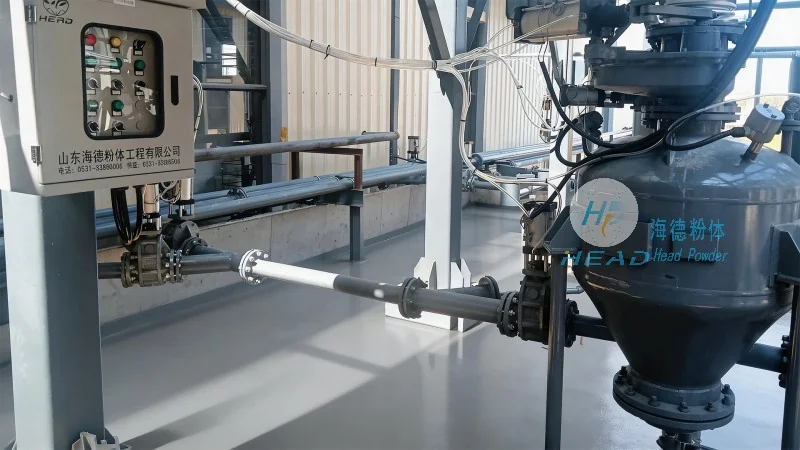
The layout of the pneumatic conveying system is a critical design element. A typical system includes a source of air (e.g., a blower or compressor), a hopper or feeder to introduce the stone material, a pipeline network, and a discharge point. The configuration may involve horizontal, vertical, or a combination of both. The design must account for the material's trajectory, ensuring that the air velocity remains sufficient to keep the material suspended and prevent settling or blockages. For vertical lifts, the air velocity must be high enough to overcome gravity, often requiring higher pressure or more powerful air sources. The number and type of bends, fittings, and valves in the pipeline also affect the system's performance and must be carefully considered to minimize pressure losses.
3. Air Velocity and Pressure Requirements
Proper air velocity and pressure are fundamental to the system's effectiveness. The air velocity must be sufficient to keep the stone particles suspended in the air stream, typically ranging from 20 to 40 meters per second for most stone materials. The pressure required depends on the system's length, height, and complexity. Higher pressure systems are used for longer or more complex layouts, while lower pressure systems are suitable for shorter distances. The design must balance the need for sufficient air velocity with energy efficiency, as excessive pressure can lead to higher operational costs and increased wear on components.
4. Equipment Selection and Durability
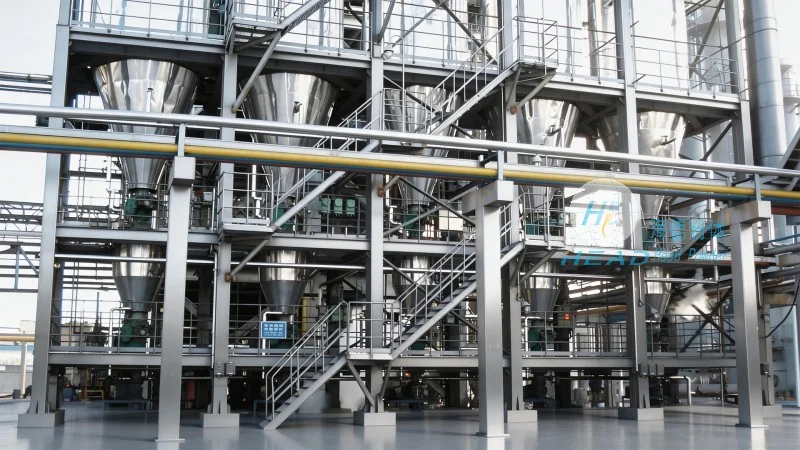
The choice of equipment, such as the blower, feeder, and pipeline components, is crucial for handling abrasive stone materials. High-quality, durable equipment is essential to withstand the wear and tear caused by moving abrasive particles. For example, the blower must be capable of generating the required pressure and airflow, while the feeder should be designed to consistently introduce material without causing blockages. Pipeline components, including elbows, tees, and valves, must be made of materials resistant to abrasion and corrosion. Regular maintenance is also vital to ensure the system operates efficiently and reliably, including monitoring air pressure, checking for leaks, and inspecting components for signs of wear or damage.
5. Safety and Environmental Considerations
When designing a pneumatic conveying system for stone materials, safety and environmental factors must be prioritized. The system should be designed to minimize dust emissions and ensure proper ventilation to protect workers from inhalation hazards. Additionally, the system should incorporate safety features, such as pressure relief valves and emergency shut-off mechanisms, to prevent accidents and protect personnel. Environmental considerations may also include the use of energy-efficient equipment and the minimization of noise pollution, aligning with industry standards and regulatory requirements.
Conclusion
Pneumatic conveying of stone materials is a highly effective and versatile method for material handling, offering advantages over traditional systems in terms of flexibility, efficiency, and cost. By adhering to the key design principles outlined above, industries can develop systems that meet their specific operational needs while ensuring reliable and efficient operation. The expertise of companies like Shandong HeadPowder Engineering Co., Ltd. plays a vital role in designing and implementing these systems, providing tailored solutions that enhance productivity and reduce operational costs. With proper design and maintenance, pneumatic conveying systems can deliver long-term benefits for industries relying on the efficient transport of stone materials.




