When it comes to handling synthetic fiber materials, air-flow conveying has emerged as a sophisticated and efficient method for material transport. This technology leverages the principles of pneumatic transport to move fibers through a system using air pressure or vacuum. The process involves feeding the synthetic fibers into a conveying line, where they are carried by a stream of air. This method is particularly advantageous for materials that are lightweight, dusty, or have a tendency to agglomerate, as it minimizes the risk of material degradation and ensures a clean, controlled transfer.
The Core Design Principles of Air-Flow Conveying Systems
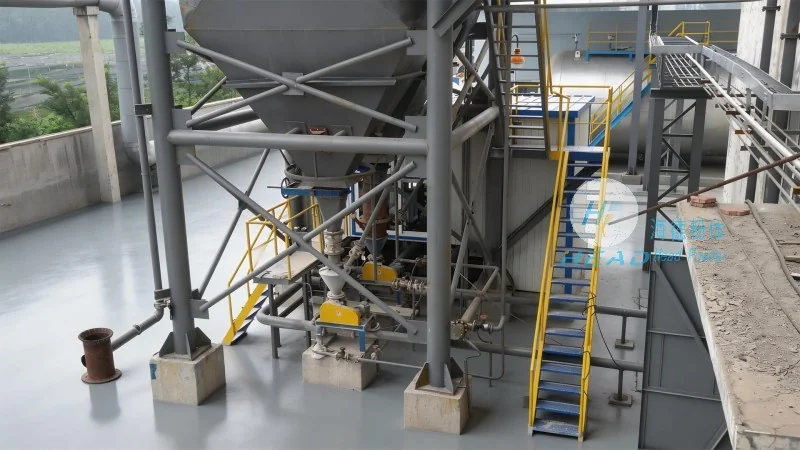
The design of an air-flow conveying system for synthetic fibers is built on several key principles that ensure optimal performance and reliability. First, the system must be designed to handle the specific properties of the synthetic fibers, such as their particle size, moisture content, and flow characteristics. The conveying line is typically made of materials that are resistant to abrasion and corrosion, as synthetic fibers can be abrasive and may contain chemicals. The system also incorporates components like feeders, cyclones, and filters to manage the flow and separate the fibers from the air stream. The design must consider the pressure drop across the system, ensuring that the air velocity is sufficient to carry the fibers without causing excessive energy consumption. Additionally, the system is engineered to maintain a consistent air flow rate, which is crucial for maintaining the integrity of the fibers and preventing blockages.
Components and Functionality of Air-Flow Conveying Systems
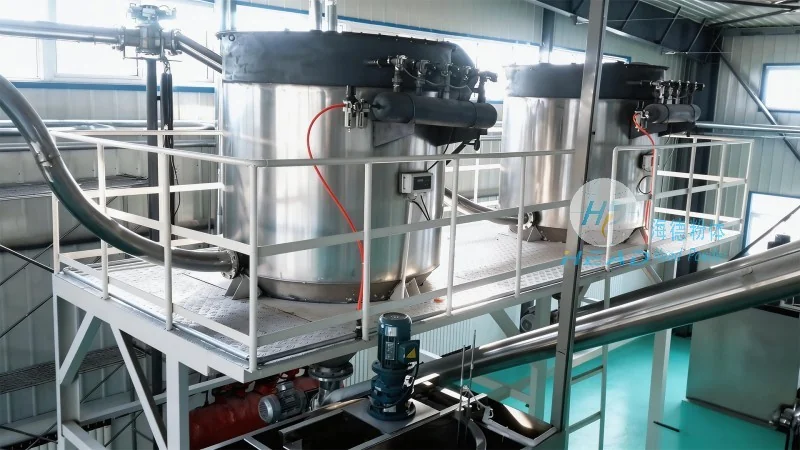
An air-flow conveying system for synthetic fibers consists of several critical components that work in tandem to achieve efficient material transport. The primary components include the material feeder, which introduces the synthetic fibers into the conveying line at a controlled rate. The feeder is designed to handle the specific characteristics of the fibers, such as their bulk density and flowability. Next, the conveying line itself, which is usually a pipeline made of metal or plastic, transports the fibers along with the air stream. The line may include bends, elbows, and straight sections, each designed to maintain the air flow and prevent turbulence that could cause fiber degradation. The system also includes a separator, typically a cyclone or a bag filter, which separates the fibers from the air and collects them in a hopper or storage bin. The separator is crucial for maintaining the purity of the fibers and preventing dust contamination. Finally, the system may include a vacuum or pressure source, such as a blower or a fan, which provides the necessary air flow to move the fibers through the system. The control system, which monitors the pressure, flow rate, and material level, ensures that the system operates efficiently and safely.
Advantages of Air-Flow Conveying for Synthetic Fiber Materials
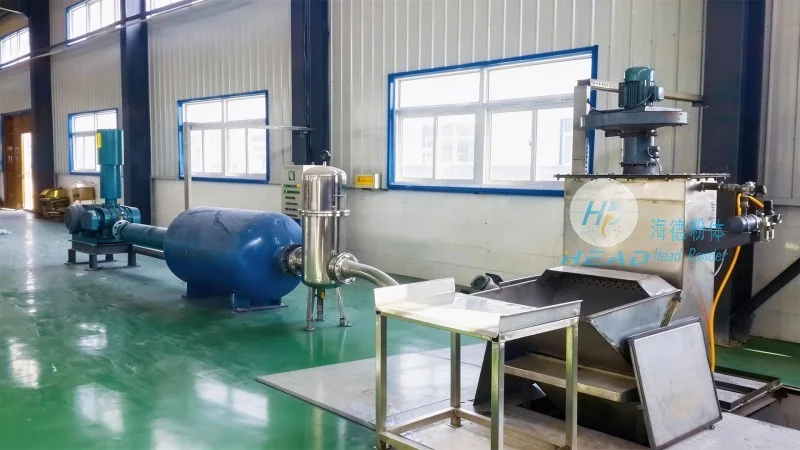
Using air-flow conveying for synthetic fiber materials offers several advantages over traditional methods like belt conveyors or bucket elevators. One of the main benefits is the ability to handle lightweight and fine fibers without causing damage or degradation. The pneumatic transport method minimizes the risk of fiber breakage and maintains the fiber's quality, which is essential for applications where fiber integrity is critical. Another advantage is the reduction in material handling time and labor costs. The system can transport large volumes of fibers over long distances with minimal human intervention, increasing productivity and efficiency. Additionally, air-flow conveying systems are more flexible and can be easily integrated into existing production lines. They can be adapted to handle different types of synthetic fibers and can be scaled up or down to meet changing production needs. The system also provides a clean and dust-free environment, which is important for maintaining the quality of the fibers and ensuring a safe working environment.
Applications of Air-Flow Conveying in the Synthetic Fiber Industry
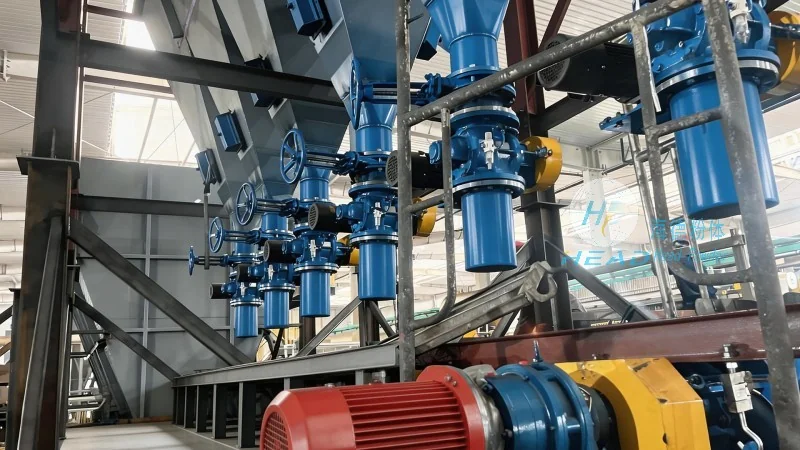
Air-flow conveying systems are widely used in various applications within the synthetic fiber industry. One common application is in the production of nonwoven fabrics, where synthetic fibers are transported from storage bins to processing equipment. The system ensures that the fibers are delivered to the production line in a consistent and controlled manner, which is crucial for maintaining the quality of the final product. Another application is in the manufacturing of fiber-reinforced composites, where synthetic fibers are conveyed to the mixing and molding equipment. The system helps to maintain the fiber's orientation and length, which affects the mechanical properties of the composite. Additionally, air-flow conveying is used in the recycling of synthetic fibers, where used fibers are collected and transported to the recycling facility. The system helps to separate the fibers from other materials and prepares them for reprocessing. In summary, air-flow conveying is a versatile and efficient method for handling synthetic fiber materials in various industrial applications.




