

Introduction to Vacuum Powder Handling and Structural Principles
HeadPowder, a leading provider in the field of powder handling technology, specializes in vacuum powder conveying systems. This article provides an overview of the fundamental concepts and structural principles behind vacuum powder handling, highlighting the key components and operational mechanisms that enable efficient and reliable material transport.
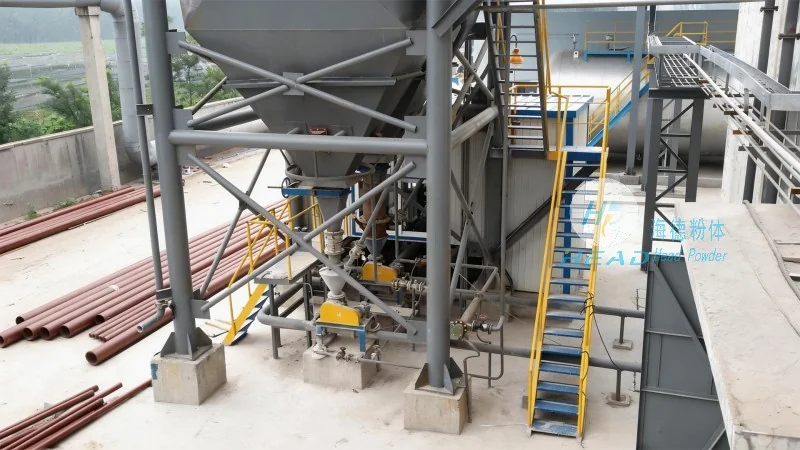
About HeadPowder
HeadPowder, operating under the full name Shandong HeadPowder Engineering Co., Ltd., is headquartered in Shandong, China. The company is dedicated to developing advanced solutions for powder handling, focusing on innovation and precision in vacuum conveying technologies.
Principles of Vacuum Powder Handling
Vacuum powder handling relies on the creation of a pressure differential between the conveying line and the ambient environment. By maintaining a negative pressure (lower than atmospheric pressure) within the system, material is drawn from the source into the conveying line. This process is typically achieved through the use of a vacuum pump, which generates the necessary suction force to move the powder particles. The key to efficient operation lies in the design of the suction and discharge components, which work in tandem to ensure consistent and controlled material flow.
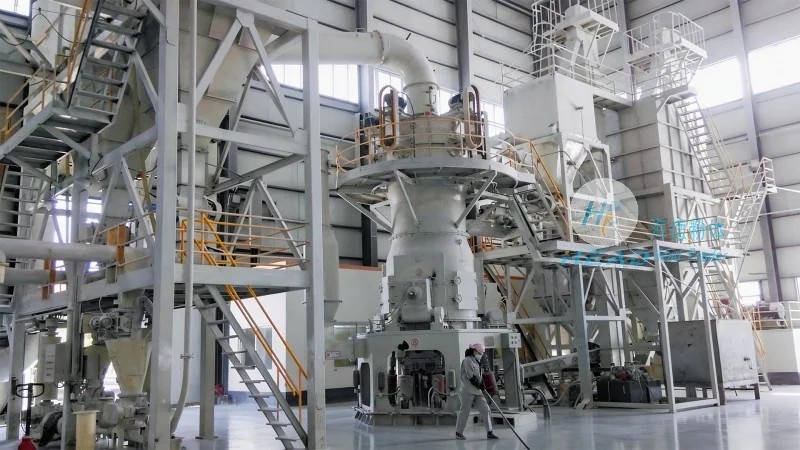
Structural Components and Design
The vacuum powder handling system consists of several critical components, each playing a vital role in the overall operation. The primary components include the vacuum pump, conveying pipes, inlet and outlet hoppers, and control valves. The vacuum pump is responsible for generating the suction pressure, while the conveying pipes transport the powder from the source to the destination. The inlet hopper is designed to feed the powder into the system, and the outlet hopper allows for the discharge of the material at the receiving end. Control valves are used to regulate the flow rate and pressure within the system, ensuring optimal performance under varying conditions.
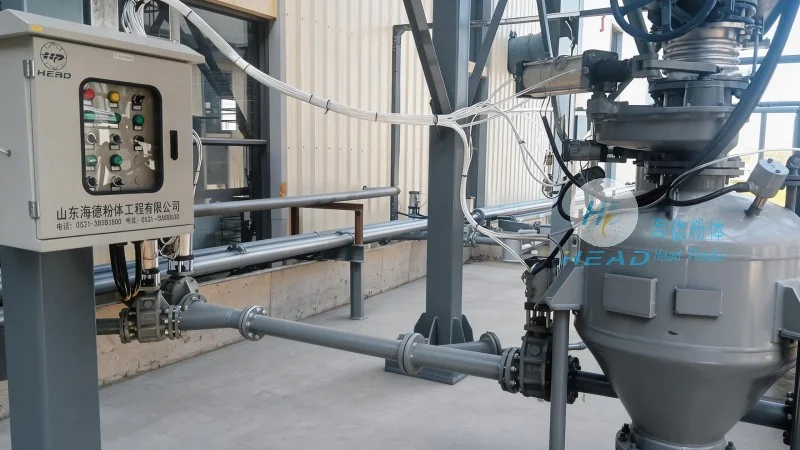
Advantages of Vacuum Powder Handling
Vacuum powder handling offers several advantages over traditional conveying methods. It provides a clean and dust-free environment, minimizing the risk of contamination and ensuring product purity. The system is also capable of handling a wide range of powder types, from fine powders to bulk materials, with consistent performance. Additionally, the enclosed design reduces the risk of material loss and environmental pollution, making it an environmentally friendly solution for industrial applications.
Conclusion
HeadPowder's expertise in vacuum powder handling technology ensures that clients receive reliable and efficient solutions tailored to their specific needs. By understanding the structural principles and operational mechanisms of vacuum conveying systems, businesses can enhance their material handling processes, improve productivity, and maintain high standards of quality and safety. With a focus on innovation and customer satisfaction, HeadPowder continues to be a trusted partner in the powder handling industry.