Pyrolytic carbon, a high-value material derived from the pyrolysis of organic substances, is widely used in various industrial applications such as battery anodes, catalysts, and advanced materials. The efficient and reliable transportation of pyrolytic carbon is crucial for industrial production processes. This article provides an overview of the equipment used in pyrolytic carbon pneumatic conveying systems and explains the structural principles behind their operation.
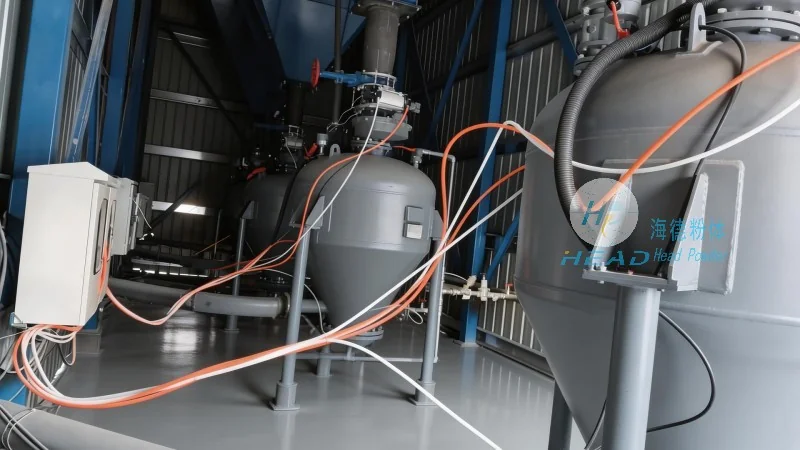
Overview of Pyrolytic Carbon Pneumatic Conveying Equipment
Shandong HeadPowder Engineering Co., Ltd., a leading manufacturer in the field, specializes in the design and production of advanced pneumatic conveying systems tailored for pyrolytic carbon. The equipment typically includes several key components that work in concert to ensure smooth material transport. These components are meticulously engineered to handle the unique properties of pyrolytic carbon, such as its fine particle size and high purity requirements.
The primary equipment in a pyrolytic carbon pneumatic conveying system includes the material feeder, which is responsible for accurately metering and feeding the carbon powder into the system. The feeder is often equipped with adjustable flow controls to maintain consistent material delivery, which is critical for maintaining system efficiency and preventing blockages. Next, the conveying line, which can be either a positive or negative pressure system, transports the carbon particles through a network of pipes. The choice between positive and negative pressure depends on the specific application and the distance the material needs to travel. For longer distances or more challenging layouts, positive pressure systems are commonly used, as they provide better control over the flow and pressure of the conveying medium.
The conveying medium, usually air or a combination of air and other gases, is managed by the blower or compressor. This component generates the necessary pressure or vacuum to move the material through the system. The blower's capacity and pressure rating are selected based on the material's properties, the system's layout, and the required flow rate. Additionally, the system may include a filter or separator to remove any entrained particles from the conveying medium, ensuring that the carbon remains pure and free from contamination. The filter is typically made of high-efficiency materials and is designed to handle the fine particles of pyrolytic carbon without clogging.
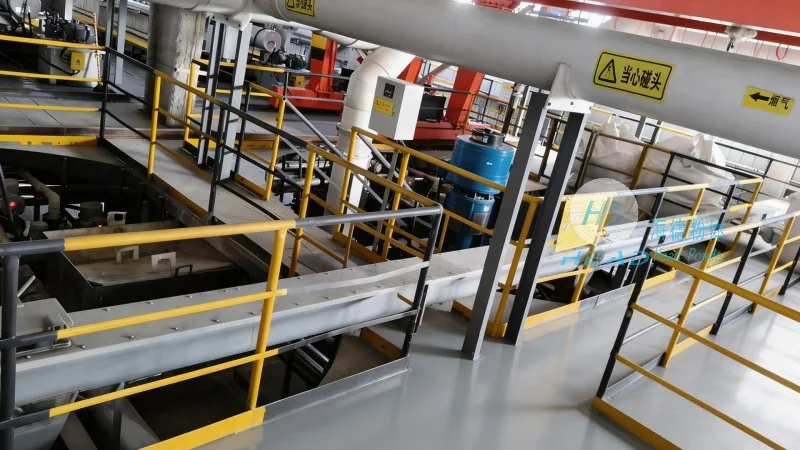
Structural Principles of Pyrolytic Carbon Pneumatic Conveying Systems
The structural design of a pyrolytic carbon pneumatic conveying system is based on the principles of fluid dynamics and material handling. The system operates by creating a flow of air or gas that entrains the carbon particles and transports them through the conveying line. The key structural components and their functions are as follows:
1. **Material Feeder**: The feeder is the starting point of the system, where pyrolytic carbon is introduced into the conveying line. It is designed to handle the fine, powdery nature of the material, ensuring that the particles are fed uniformly and without agglomeration. The feeder may include features such as vibration or agitation to prevent clogging and maintain consistent flow. The design of the feeder is critical because any uneven feeding can lead to fluctuations in the system's performance and potential blockages.
2. **Conveying Line**: The conveying line is the main pathway for the carbon particles and the conveying medium. It is typically made of materials that are resistant to corrosion and abrasion, as pyrolytic carbon can be abrasive and may contain impurities that could damage the pipes over time. The line is usually equipped with bends, elbows, and other fittings that are designed to minimize pressure loss and prevent particle separation. The layout of the conveying line is carefully planned to optimize the flow and reduce the risk of material deposition or blockages.
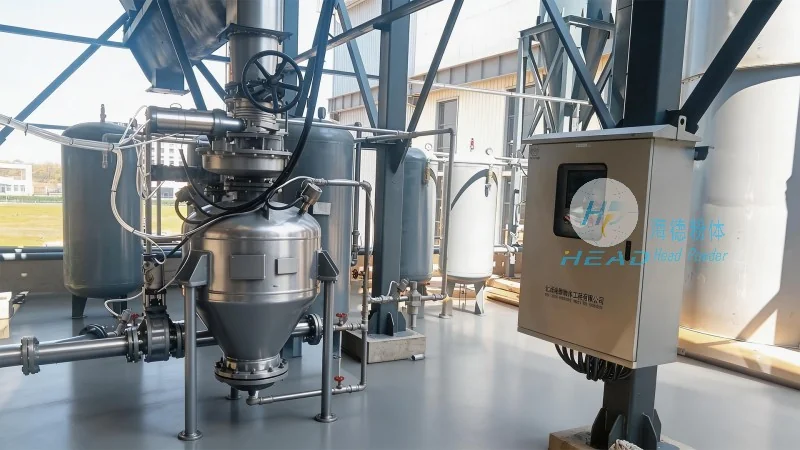
3. **Blower/Compressor**: The blower or compressor is the power source of the system, providing the necessary pressure or vacuum to move the material. The selection of the blower depends on the system's requirements, including the material's density, the conveying distance, and the desired flow rate. Positive pressure blowers are commonly used for longer distances or when the material needs to be transported against gravity, while negative pressure systems are suitable for shorter distances or when the material is to be drawn from a lower elevation.
4. **Filter and Separator**: The filter is an essential component that removes any particles from the conveying medium before it is discharged. This is important for maintaining the purity of the pyrolytic carbon and preventing contamination of downstream processes. The filter is typically a bag filter or a cartridge filter, which can handle high volumes of air and capture fine particles effectively. The separator may also include a cyclone or a gravity separator to remove larger particles before they reach the filter.
Advantages of Pyrolytic Carbon Pneumatic Conveying Systems
Pyrolytic carbon pneumatic conveying systems offer several advantages over traditional material handling methods. First, they provide a clean and dust-free method of transporting the material, which is essential for maintaining the purity of pyrolytic carbon. The enclosed system prevents contamination from the environment and reduces the risk of dust exposure for operators. Second, the systems are highly efficient and can transport large quantities of material over long distances with minimal energy consumption. The use of air as the conveying medium allows for flexible system layouts, as the pipes can be installed in various configurations without the need for complex machinery. Third, the systems are relatively low maintenance, as they have fewer moving parts compared to other material handling systems. The components are designed to withstand the abrasive nature of pyrolytic carbon and are easy to clean and replace when necessary.




