When designing a pneumatic conveying system for light calcium gypsum, several critical factors must be considered to ensure efficient operation, minimal downtime, and optimal performance. Light calcium gypsum, also known as calcium sulfate hemihydrate, is a fine powder commonly used in construction materials, paper, and other industrial applications. Its low bulk density and cohesive properties make it challenging to handle, requiring specialized design approaches to prevent blockages and maintain consistent flow rates.
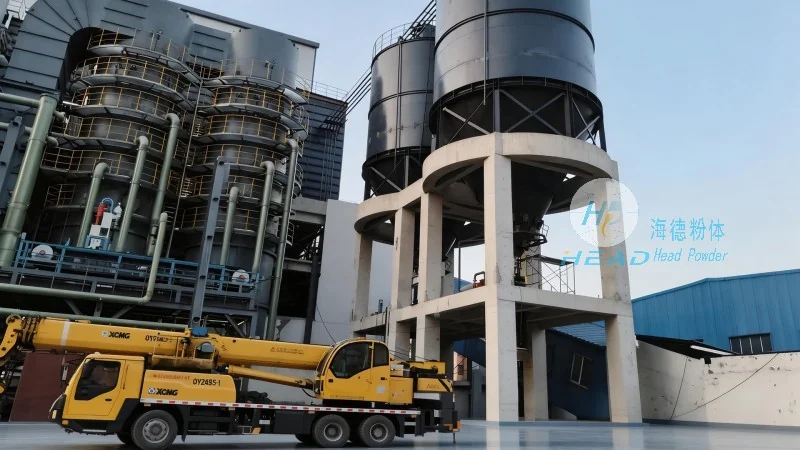
HeadPowder, a leading manufacturer of material handling solutions, emphasizes the importance of thorough system analysis before implementation. The first step in designing a successful light calcium gypsum pneumatic conveying system involves understanding the material's physical characteristics, such as particle size distribution, moisture content, and flowability. These parameters directly impact the selection of the conveying method—whether it's a positive or negative pressure system—and the required equipment specifications.
System selection is a pivotal decision that influences overall efficiency and cost-effectiveness. Positive pressure systems, where air is forced through the material, are often preferred for light calcium gypsum due to their ability to handle fine powders and prevent dust emissions. However, negative pressure systems, which draw material into the system, may be more suitable for applications requiring minimal air leakage or where the material is sensitive to moisture. HeadPowder engineers conduct comprehensive assessments to determine the most appropriate method based on the client's operational needs and site constraints.
Another critical design consideration is the pipeline layout and diameter. The diameter of the conveying line must be sufficient to accommodate the material's flow rate while minimizing pressure drop. Excessive pressure drop can lead to reduced conveying capacity and increased energy consumption. HeadPowder recommends using larger diameter pipes for light calcium gypsum to maintain a stable flow and prevent particle segregation. The pipeline should also be designed with smooth transitions and minimal bends to avoid turbulence and potential blockages. Proper sealing and maintenance of the system are essential to prevent material leakage and maintain air pressure integrity.
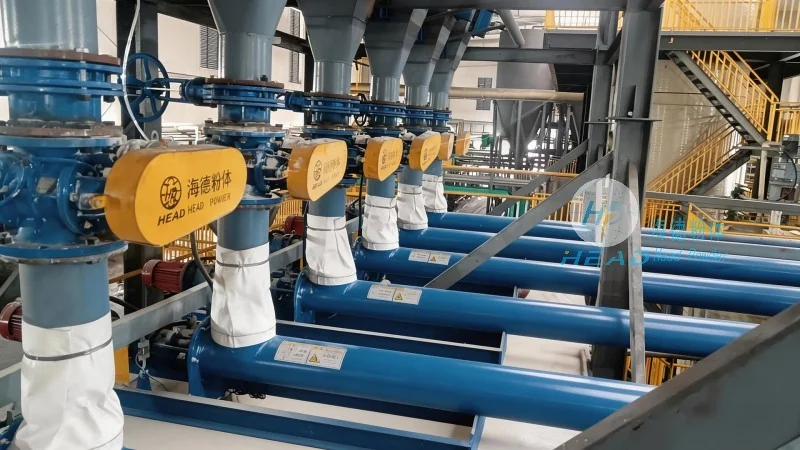
Pressure control is a key factor in maintaining consistent material flow. The system must be equipped with pressure sensors and control valves to regulate air pressure and flow rate. HeadPowder's advanced control systems allow for real-time monitoring and adjustment, ensuring that the conveying process remains stable even under varying load conditions. This is particularly important for light calcium gypsum, as fluctuations in feed rate can affect the system's performance. The use of variable frequency drives (VFDs) for the air compressor can further optimize energy usage by adjusting the air volume based on demand.
Material feed and discharge mechanisms also play a crucial role in system design. The hopper and feeder must be designed to prevent material bridging and ensure a uniform feed rate. HeadPowder utilizes high-quality, low-friction materials for the hopper to minimize material buildup and facilitate smooth flow. The discharge point should be equipped with a dust collection system to comply with environmental regulations and maintain workplace safety. Proper ventilation and filtration are essential to prevent dust accumulation and protect the environment.
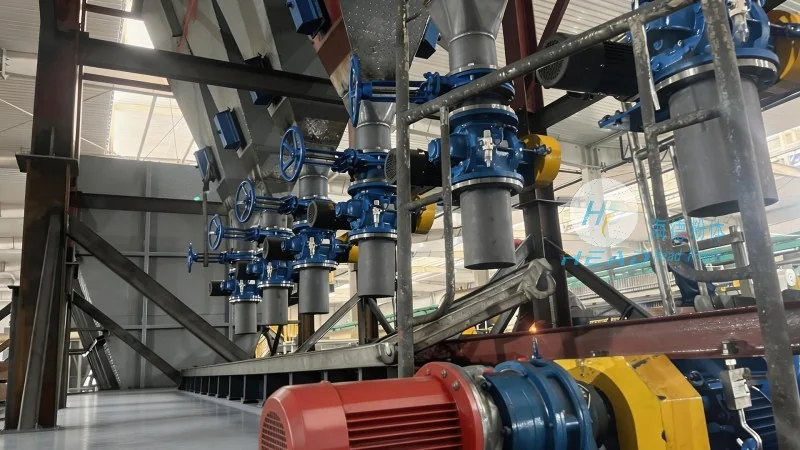
Maintenance and operational considerations are integral to the long-term success of the system. Regular cleaning and inspection of the pipeline and equipment are necessary to prevent clogging and ensure consistent performance. HeadPowder provides comprehensive maintenance services and spare parts to support clients' operational needs. The system should also be designed with accessibility in mind, allowing for easy inspection and repair of components. This reduces downtime and extends the system's lifespan.
Environmental compliance is another critical aspect of light calcium gypsum pneumatic conveying system design. The system must be equipped with dust collection and filtration systems to meet local environmental regulations. HeadPowder's solutions incorporate advanced filtration technologies to minimize emissions and ensure compliance. Additionally, the system should be designed to minimize energy consumption, reducing operational costs and environmental impact.
In conclusion, designing a pneumatic conveying system for light calcium gypsum requires a holistic approach that considers material properties, system selection, pipeline design, and operational requirements. HeadPowder, with its expertise in material handling solutions, provides tailored designs that meet the specific needs of clients. By addressing these critical factors, businesses can achieve efficient, reliable, and cost-effective material transport, ensuring optimal performance and long-term success.




