Tea pneumatic conveying systems are critical equipment in the tea processing industry, engineered to efficiently transport tea leaves and related materials between different locations within a processing facility. These systems leverage air as the primary medium to move materials, offering advantages such as reduced contamination, enhanced hygiene, and operational flexibility compared to traditional mechanical conveying methods. The technology has become a foundational element in modern tea production, supporting the seamless flow of raw materials through stages like sorting, drying, and packaging.
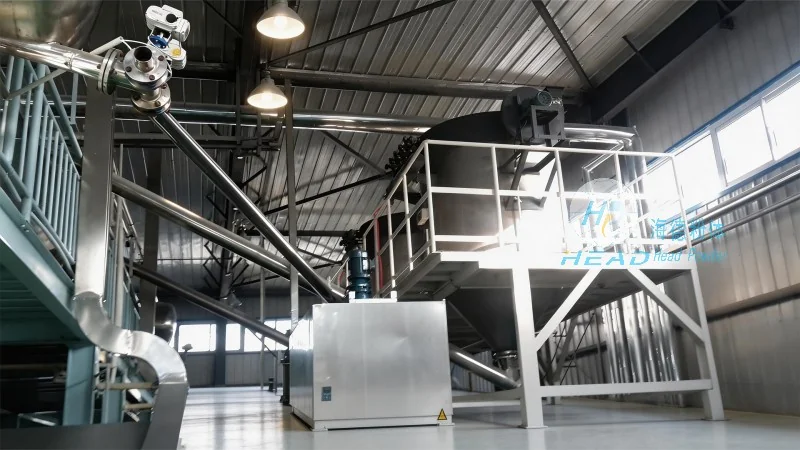
Key Components of a Tea Pneumatic Conveying System
The core components of a typical tea pneumatic conveying system include the material hopper, air compressor, conveying pipes, control valves, and dust collection units. The material hopper is where raw tea leaves are loaded, equipped with a feeder mechanism to regulate material flow into the system. The air compressor generates the necessary air pressure to propel tea leaves through the conveying pipes. Control valves manage air flow and pressure to ensure smooth operation and prevent blockages. Dust collection units are integrated to capture airborne particles, maintaining air quality and compliance with environmental regulations.
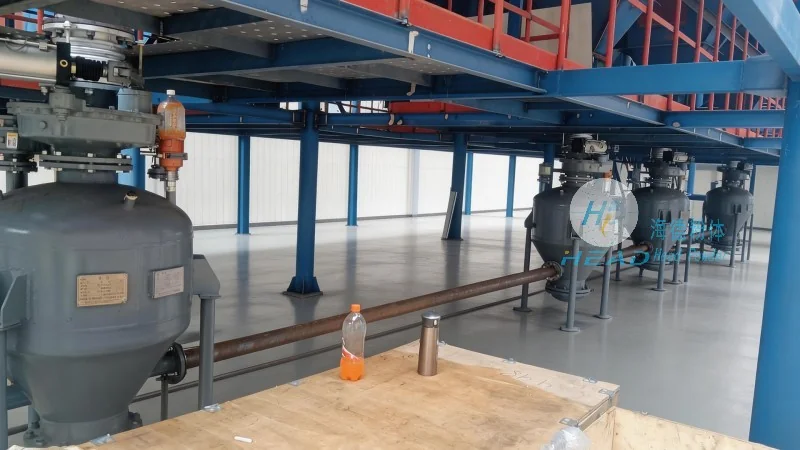
Working Principle of the Conveying Process
The operation of a tea pneumatic conveying system involves several key steps. Initially, tea leaves are fed from the hopper into the conveying pipe via an air stream. The air compressor provides the pressure required to move the material through the system. As the air flows through the pipes, it carries the tea leaves along, maintaining consistent velocity to prevent settling or blockages. The system may include vertical and horizontal pipe segments to accommodate facility layout. At the destination point, tea leaves are deposited into a receiving container, and the air is filtered and recycled back to the compressor, completing the cycle.
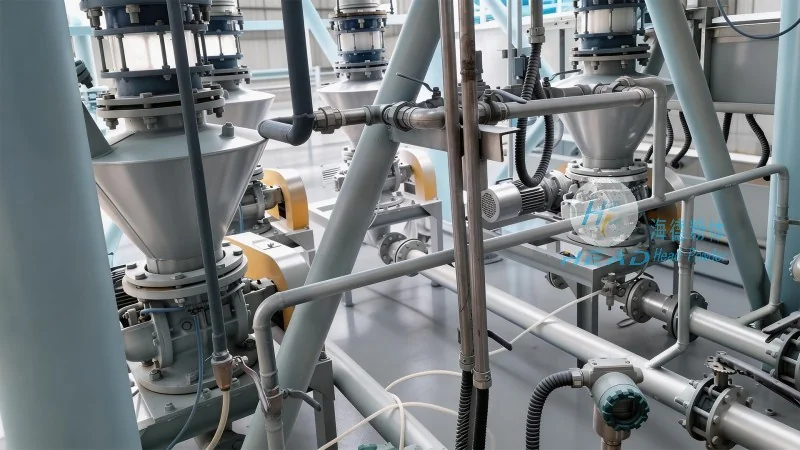
Advantages of Using Pneumatic Conveying for Tea Processing
Implementing a pneumatic conveying system in tea processing offers several benefits. Firstly, it minimizes physical contact between tea leaves and equipment, reducing contamination risk and preserving product quality. Secondly, the system is highly hygienic, operating in enclosed pipes to prevent dust and environmental exposure. Thirdly, it enhances operational efficiency with continuous, automated material transport, cutting labor costs and improving throughput. Additionally, the system is flexible, easily integrated with other processing equipment, adapting to production volume changes.
Customization and Scalability of Tea Pneumatic Conveying Systems
Tea pneumatic conveying systems are highly customizable to meet diverse processing needs. Manufacturers design systems with varying pipe sizes, air pressure levels, and material handling capacities to suit tea volume. For small-scale operations, compact systems with lower air pressure suffice, while large-scale factories require robust systems with higher capacity and advanced controls. Scalability is a key advantage, as systems can be expanded or modified as businesses grow, ensuring long-term investment value. This adaptability makes pneumatic conveying a versatile solution for tea producers of all sizes.
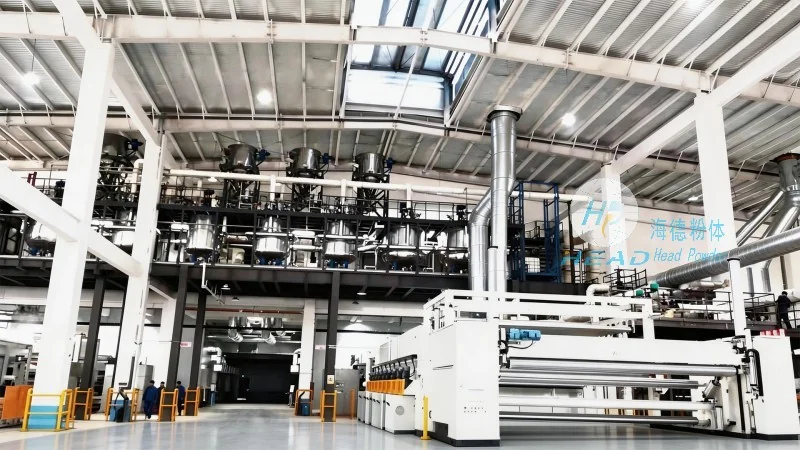
Maintenance and Operational Considerations
Proper maintenance is crucial for reliable and efficient system operation. Regular cleaning of conveying pipes and hoppers prevents residue buildup that can affect air flow and cause blockages. The air compressor and control valves require periodic inspection for wear and lubrication. Dust collection units need filter replacement to maintain air quality and prevent clogging. Operational monitoring of air pressure and flow rates detects anomalies. By following a regular maintenance schedule, tea processing facilities minimize downtime and maximize equipment lifespan.




