For industries dealing with Polyvinyl Butyral (PVB) materials, efficient material handling is crucial. PVB, a key component in applications like safety glass and optical coatings, requires specialized equipment to ensure safe, reliable, and cost-effective transportation. The PVB material pneumatic conveyor, developed by Shandong HeadPowder Engineering Co., Ltd. (commonly known as HeadPowder), addresses these needs by integrating advanced pneumatic technology with robust engineering design.
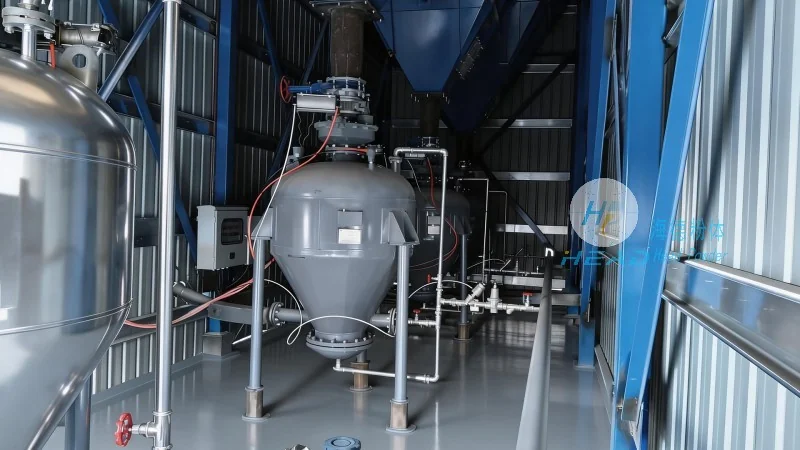
Company Profile: Shandong HeadPowder Engineering Co., Ltd.
HeadPowder, a leading manufacturer in the field of material handling solutions, is headquartered in Shandong, China. With a focus on innovation and precision engineering, the company specializes in designing and manufacturing pneumatic conveyors and related equipment tailored to diverse industrial requirements. The company’s commitment to quality and customer satisfaction has established it as a trusted partner for businesses seeking reliable PVB material handling systems.
PVB Material Pneumatic Conveyor: Overview and Key Features
The PVB material pneumatic conveyor is engineered to transport PVB powders or granules through an air-driven system. This equipment combines the advantages of pneumatic conveying—such as low maintenance, minimal product contamination, and the ability to handle fine or abrasive materials—with the specific requirements of PVB processing. Key features include adjustable air pressure controls, durable construction to withstand the chemical properties of PVB, and modular design for easy integration into existing production lines. The conveyor is designed to ensure consistent material flow, minimize downtime, and maintain product integrity throughout the transportation process.
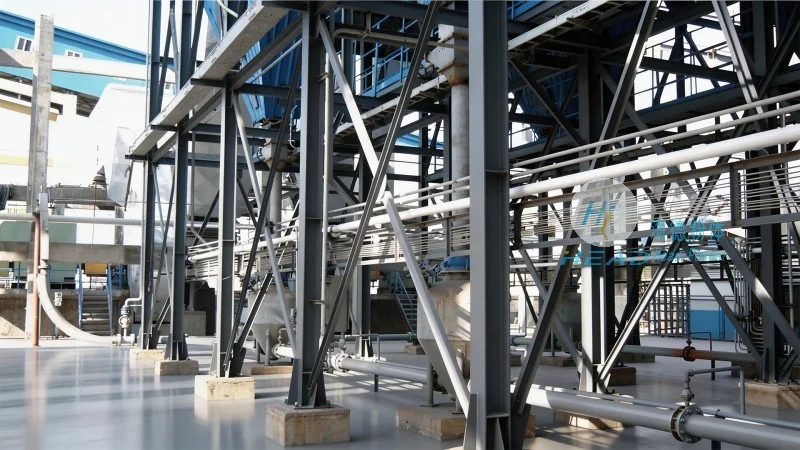
Operation Process of the PVB Material Pneumatic Conveyor
The operation of the PVB material pneumatic conveyor involves several key steps, each optimized for efficiency and reliability. First, the PVB material is loaded into the hopper or feed hopper. The material is then fed into the conveying line through a rotary valve or feeder, which controls the flow rate. Simultaneously, compressed air is introduced into the system, creating a pressure differential that propels the material through the pipeline. The air flow is carefully regulated to maintain a consistent velocity, preventing material segregation or blockages. As the material travels through the conveyor, it is transported to the discharge point, where it is collected in a receiving container. The system includes pressure sensors and flow meters to monitor performance in real-time, ensuring that any deviations are immediately addressed. This process is automated to minimize human intervention, enhancing safety and operational consistency.
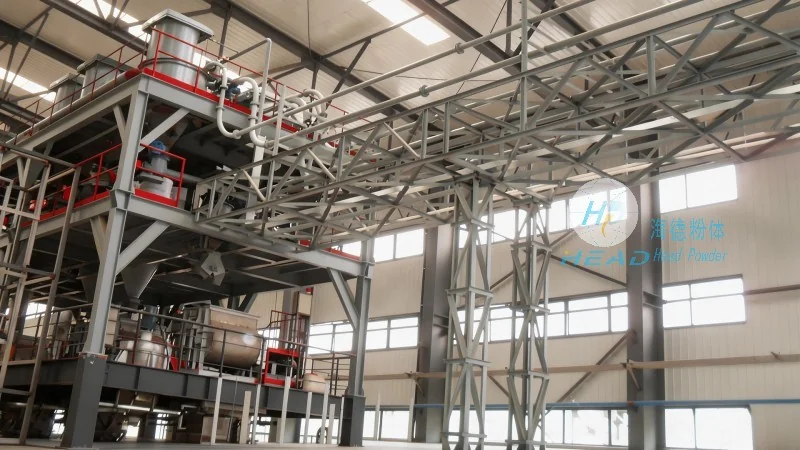
Working Principle of the PVB Material Pneumatic Conveyor
The core of the PVB material pneumatic conveyor lies in its air-driven mechanism, which operates on the principle of fluid dynamics. The system uses compressed air to create a flow that transports the PVB material through the pipeline. The air pressure is maintained at a level sufficient to overcome the resistance of the material and the pipeline, ensuring smooth movement. The conveyor typically employs a positive displacement or pressure-assisted design, where the air flow is directed to push the material forward. The design includes features such as air filters and moisture separators to maintain air quality, preventing contamination of the PVB material. The system also incorporates check valves and pressure relief devices to ensure safe operation and prevent backflow. By leveraging the principles of pneumatic transport, the conveyor efficiently moves PVB material from the source to the destination, minimizing the need for mechanical components that could introduce wear or contamination.
Technical Advantages and Performance Benefits
The PVB material pneumatic conveyor offers several technical advantages that make it an ideal choice for PVB handling applications. One of the primary benefits is its ability to handle fine or abrasive PVB powders without causing product degradation. The durable construction, often made from corrosion-resistant materials, ensures long-term performance even in harsh environments. The adjustable air pressure and flow controls allow for precise control over material transport, reducing waste and improving process efficiency. Additionally, the conveyor’s modular design enables easy customization to fit specific production requirements, such as varying material volumes or pipeline lengths. The system’s low maintenance requirements, due to the absence of moving parts in the conveying line, result in lower operational costs over time. Furthermore, the conveyor’s ability to operate in a closed system minimizes dust emissions, contributing to a safer and more environmentally friendly workplace.




