HeadPowder, a leading engineering company based in Shandong, China, specializes in the design, manufacturing, and installation of advanced pneumatic conveying systems for the fertilizer industry. Our compound fertilizer material pneumatic conveying machines are engineered to efficiently transport bulk materials like compound fertilizers, ensuring reliable and efficient material handling solutions for agricultural and industrial applications.
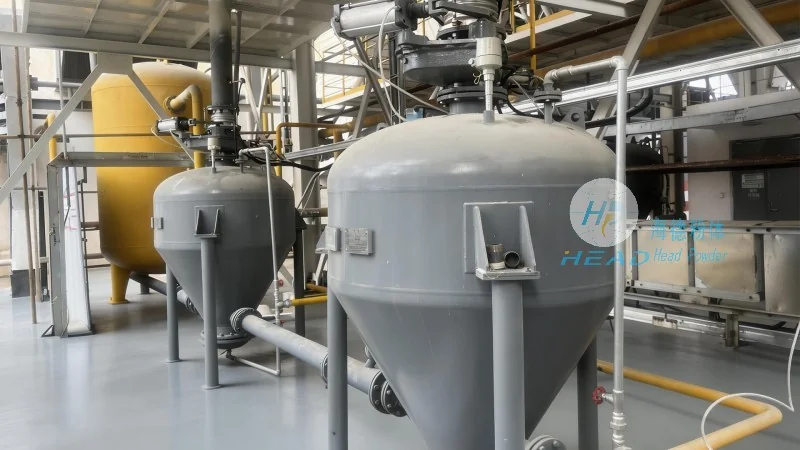
Overview of Pneumatic Conveying Systems for Compound Fertilizers
Our pneumatic conveying machines are specifically designed to handle the unique characteristics of compound fertilizers, which often include varying particle sizes, moisture content, and bulk density. The system operates by using compressed air to create a flow that moves the material through a pipeline network. This method offers several advantages over traditional mechanical conveying, including reduced equipment wear, lower maintenance costs, and the ability to transport materials over long distances without the need for multiple transfer points.
Key Components and Their Functions
The compound fertilizer pneumatic conveying machine consists of several critical components that work in tandem to ensure smooth operation. These include the material hopper, which stores and feeds the fertilizer into the system; the air compressor, which generates the necessary pressure for conveying; the pipeline system, which transports the material from the hopper to the discharge point; and the control panel, which monitors and regulates the entire process. Each component is carefully selected and integrated to optimize performance and reliability.
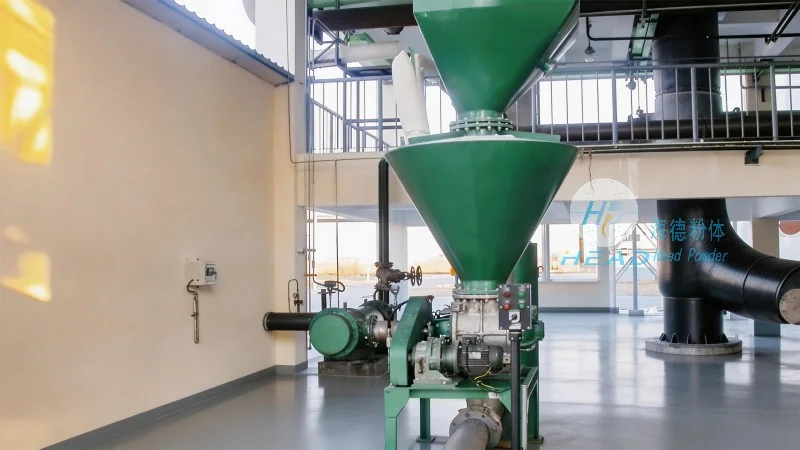
Operation Process: From Loading to Discharge
The operation of the compound fertilizer pneumatic conveying machine begins with the loading of the fertilizer into the material hopper. The hopper is equipped with a feeding mechanism, such as a rotary valve or a screw feeder, which controls the flow rate of the material into the pipeline. Simultaneously, the air compressor starts, generating compressed air that is introduced into the pipeline. The compressed air creates a negative pressure or positive pressure environment, depending on the system design, which draws the fertilizer particles into the air stream. As the material travels through the pipeline, it is mixed with the air and transported to the discharge point, where a cyclone separator or a filter system separates the material from the air, allowing the fertilizer to be deposited into the target container or storage area.
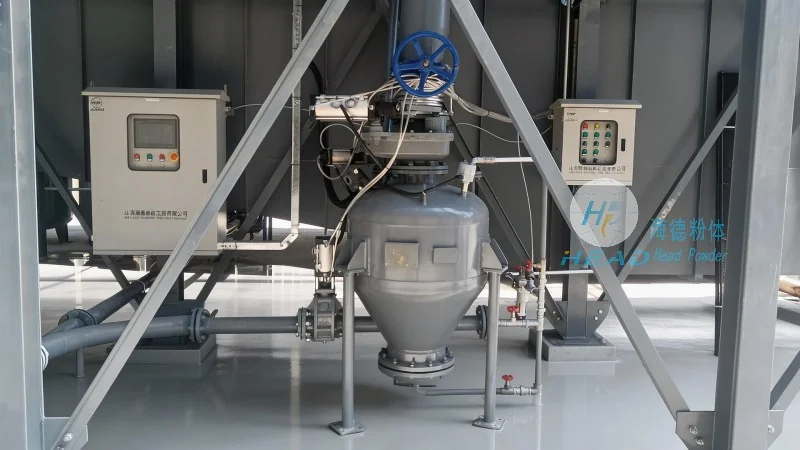
Working Principle: Air-Driven Material Transport
The core working principle of the pneumatic conveying machine is based on the interaction between the material and the air flow. In a typical system, the air compressor provides a steady flow of compressed air, which is directed into the pipeline. The material is then introduced into the pipeline at a controlled rate, either by gravity or by the feeding mechanism. The air flow creates a drag force on the material particles, lifting them and carrying them along the pipeline. The velocity of the air and the size of the particles determine the conveying velocity and the pressure drop along the pipeline. Proper design of the pipeline diameter, length, and bends is crucial to maintain efficient material transport and minimize pressure losses.
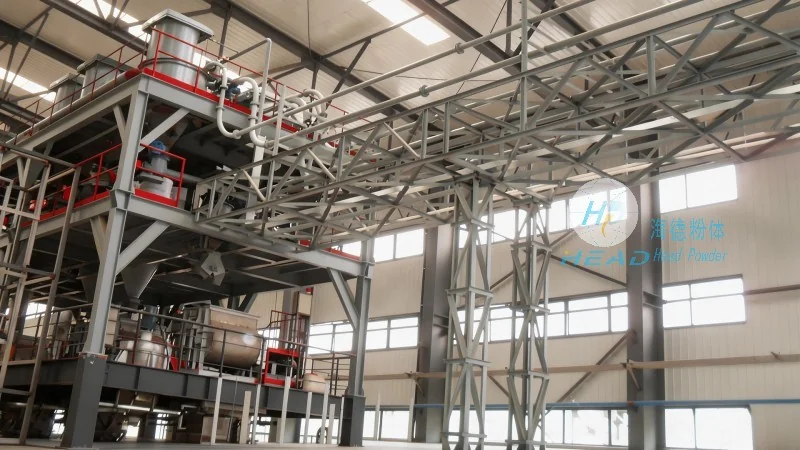
Advantages of Using Pneumatic Conveying for Compound Fertilizers
Implementing a pneumatic conveying system for compound fertilizers offers numerous benefits. Firstly, it provides a dust-free and hygienic environment, which is essential for maintaining the quality of the fertilizer and ensuring compliance with safety regulations. Secondly, the system is highly flexible, allowing for easy integration with existing production lines and the ability to transport materials to multiple destinations from a single source. Thirdly, it reduces labor costs and operational downtime by minimizing the need for manual handling and transfer operations. Additionally, the system is compact and can be installed in various configurations, making it suitable for both new and retrofit applications.
Application Scenarios and Customization Options
Our compound fertilizer pneumatic conveying machines are versatile and can be customized to meet the specific requirements of different applications. For example, in large-scale fertilizer production facilities, the system can handle high volumes of material over long distances, ensuring continuous operation and minimizing production bottlenecks. In smaller agricultural settings, the system can be scaled down to handle smaller batches of fertilizer, providing efficient material transport for on-farm storage and distribution. The system can also be adapted to handle different types of compound fertilizers, such as NPK blends or specialty fertilizers, by adjusting the material feed rate, air pressure, and pipeline design.




