Polyvinylidene fluoride (PVDF) is a highly versatile fluoropolymer recognized for its exceptional chemical resistance, thermal stability, and mechanical properties. It is widely utilized across industries including chemical processing, pharmaceuticals, and electronics. The efficient handling of PVDF powders and granules is critical for maintaining product integrity and operational efficiency. Pneumatic conveying systems provide a reliable solution for transporting PVDF materials, ensuring minimal product degradation and consistent flow rates. This article delves into the operation process and working principles of a PVDF material pneumatic conveying line, detailing key components, operational steps, and technical considerations.
Key Components of the Pneumatic Conveying Line
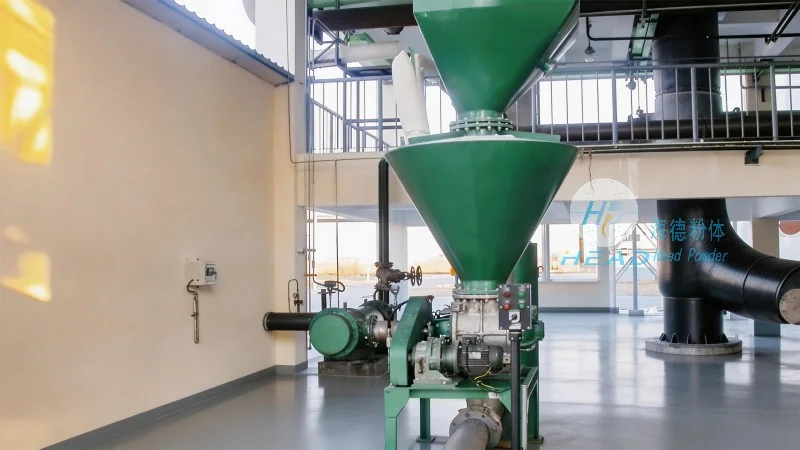
The PVDF material pneumatic conveying line typically comprises several critical components that function in unison to ensure smooth material transport. These components include the material hopper, feeder, air compressor, conveying line, and dust collector. Each component is essential for system performance. The material hopper is designed to store PVDF powder or granules, providing a consistent feed to the feeder. The feeder, often a rotary valve or screw feeder, regulates the material flow rate into the conveying line. The air compressor generates the necessary air pressure to move the material through the pipeline. The conveying line, usually constructed from stainless steel or other corrosion-resistant materials, ensures safe and efficient material transport. The dust collector, equipped with filtration systems, captures airborne particles, maintaining a clean and safe working environment.
Working Principle of the Pneumatic Conveying Process
The pneumatic conveying process for PVDF materials operates on the principle of air flow and pressure differentials. When the air compressor is activated, it generates high-pressure air that is introduced into the conveying line. The feeder then releases the PVDF material into the pipeline, where the air flow entrains the material particles, forming a slurry-like mixture. This mixture is transported through the conveying line to the destination point, such as a storage silo or processing equipment. The system maintains consistent air pressure and flow rate to ensure material transport without clogging or degradation. The dust collector at the line's end captures any fine particles, preventing contamination and ensuring compliance with environmental regulations.
Operation Process of the PVDF Material Pneumatic Conveying Line
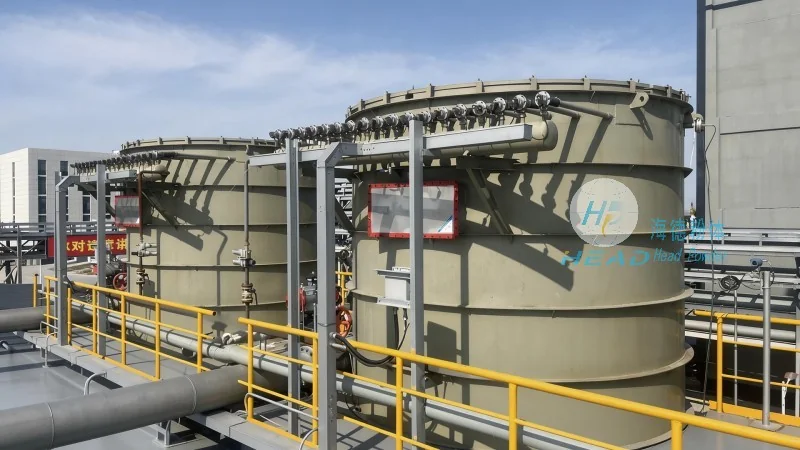
The operation of the PVDF material pneumatic conveying line involves a series of steps to ensure smooth and efficient material transport. The process begins with loading PVDF powder or granules into the material hopper. The hopper is equipped with level sensors to monitor material levels, ensuring an adequate supply for continuous operation. Once the hopper is filled, the feeder is activated, regulating the material flow rate based on system requirements. The air compressor is then started, generating the necessary air pressure to initiate the conveying process. As air flows through the conveying line, it entrains PVDF particles, forming a stable mixture transported to the target location. The system continuously monitors pressure, flow rate, and material level to maintain optimal performance. At the receiving end, the material is discharged into a storage silo or directly into processing equipment. The dust collector is operational, capturing airborne particles to maintain a clean environment. The entire process is automated, with control systems ensuring precise operation and minimal human intervention.
Technical Considerations and Maintenance
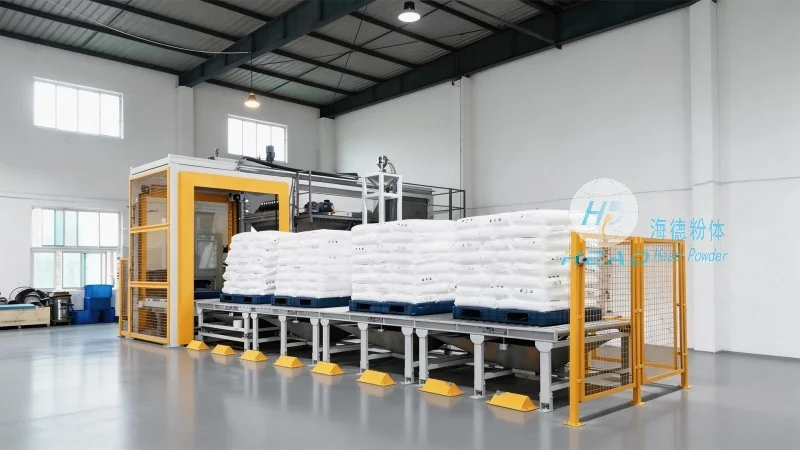
Several technical considerations are vital for the reliable operation of a PVDF material pneumatic conveying line. Material properties, such as particle size, density, and moisture content, significantly impact conveying efficiency. Proper selection of the conveying line diameter and air velocity is crucial to prevent clogging and ensure smooth flow. The system must be designed to handle PVDF's specific characteristics, including its chemical resistance and thermal stability. Regular maintenance is critical to ensure equipment longevity and performance. This includes cleaning the conveying line, inspecting the air compressor and feeder components, and replacing worn parts. Proper maintenance schedules and procedures help minimize downtime and ensure consistent operation. Additionally, the system should be equipped with safety features, such as pressure relief valves and emergency shut-off mechanisms, to prevent accidents and ensure operator safety.
Conclusion
Pneumatic conveying systems offer an efficient and reliable solution for transporting PVDF materials, ensuring minimal product degradation and consistent flow rates. The operation process involves several key components and steps, working together to maintain optimal performance. Proper design, maintenance, and operational procedures are essential for the successful implementation of a PVDF material pneumatic conveying line. By understanding the working principles and technical considerations, industries can enhance their material handling processes, improve operational efficiency, and ensure product quality. The expertise of companies like Shandong HeadPowder Engineering Co., Ltd. plays a vital role in designing and implementing such systems, providing tailored solutions for specific industrial needs.




