Positive pressure bulk material pneumatic conveying equipment is a specialized system designed to transport dry bulk materials efficiently over short to medium distances. This technology is widely used in various industries, including food processing, pharmaceuticals, chemicals, and mining, due to its ability to handle a wide range of materials while maintaining product integrity and minimizing contamination risks. The equipment operates by using compressed air to create a positive pressure environment within the conveying line, ensuring that the material is continuously moved from the source to the destination without the need for mechanical components like belts or screws.
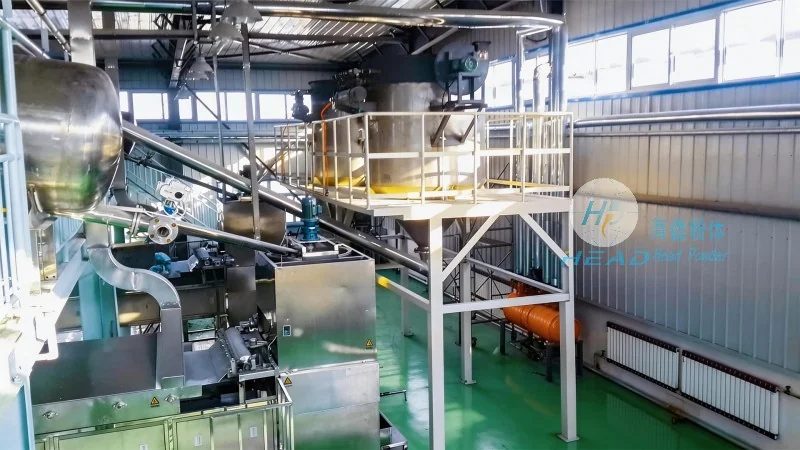
About Shandong HeadPowder Engineering Co., Ltd.
Shandong HeadPowder Engineering Co., Ltd., commonly known as HeadPowder, is a leading manufacturer of advanced pneumatic conveying systems. With a strong focus on innovation and quality, the company has established itself as a trusted provider of bulk material handling solutions. HeadPowder's products are engineered to meet the specific needs of different industries, offering reliable and efficient performance. The company's headquarters is located in Shandong, China, where it operates a state-of-the-art manufacturing facility equipped with the latest technology and skilled workforce. By leveraging years of experience and expertise, HeadPowder delivers high-performance positive pressure pneumatic conveying equipment that enhances operational efficiency and reduces downtime for its clients.
Working Principle of Positive Pressure Pneumatic Conveying Systems
The core working principle of positive pressure bulk material pneumatic conveying involves creating a pressure differential between the conveying line and the surrounding environment. In this system, the conveying line is maintained at a pressure higher than atmospheric pressure, typically ranging from 0.5 to 2 bar above ambient conditions. This positive pressure ensures that air and material flow in a controlled manner, preventing backflow and maintaining a consistent flow rate. The process begins with the material being fed into a hopper or feeder, where it is then drawn into the conveying line by the moving air stream. The compressed air, often supplied by a blower or compressor, is introduced at the inlet of the feeder, creating a high-velocity air flow that entrains the particles and propels them through the pipeline. As the material travels through the system, it may encounter various components such as bends, elbows, and expansion joints, which are designed to minimize pressure loss and ensure smooth material transport. The receiving end of the system typically includes a filter or separator to remove the material from the air stream, allowing the air to be recirculated or discharged safely.
Operation Process of Positive Pressure Bulk Material Conveying Machines
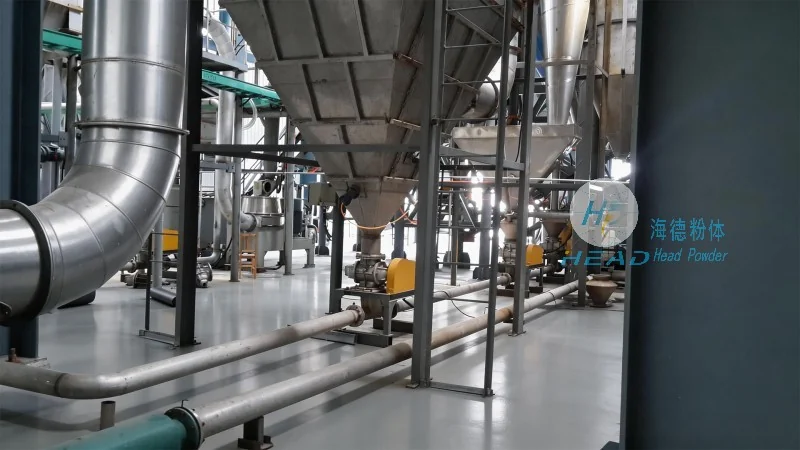
The operation of a positive pressure bulk material pneumatic conveying machine follows a systematic sequence of steps to ensure efficient and reliable material transport. The process starts with the preparation of the material, which may involve pre-screening or conditioning to remove contaminants and ensure consistent particle size. The material is then fed into the hopper, where it is stored and metered before entering the conveying line. The feeder, often a rotary valve or a screw feeder, controls the flow rate of the material, ensuring a steady supply to the system. Simultaneously, the compressed air is supplied to the feeder, creating a high-pressure environment that draws the material into the conveying line. As the material is entrained by the air, it moves through the pipeline, passing through any necessary components like filters or cyclones to separate the material from the air. At the receiving end, the material is deposited into a container or silo, while the air is either filtered and recirculated or vented to the atmosphere. The entire operation is monitored by control systems that adjust the air pressure and flow rate based on the material characteristics and system requirements. This dynamic control ensures optimal performance and prevents issues such as clogging or pressure fluctuations.
Key Components and Their Functions in Positive Pressure Pneumatic Conveying Systems
Positive pressure bulk material pneumatic conveying systems consist of several critical components that work in harmony to achieve efficient material transport. The main components include the feeder, conveying line, air supply system, and receiving equipment. The feeder is responsible for controlling the material flow rate and ensuring a consistent feed to the system. It may be a rotary valve, screw feeder, or a hopper with a gate mechanism, depending on the material properties and application requirements. The conveying line is typically made of stainless steel or other corrosion-resistant materials to handle various materials and maintain hygiene standards. The air supply system, which includes a blower or compressor, generates the necessary pressure and volume of air to move the material. The blower is often preferred for its lower noise and vibration levels compared to compressors. The receiving equipment, such as a filter or cyclone, separates the material from the air stream, allowing the material to be collected in a container while the air is either recirculated or discharged. Additionally, the system may include accessories like pressure regulators, check valves, and flow meters to monitor and control the pressure and flow rates. These components collectively ensure the smooth and efficient operation of the positive pressure pneumatic conveying system.
Advantages of Using Positive Pressure Bulk Material Pneumatic Conveying Equipment
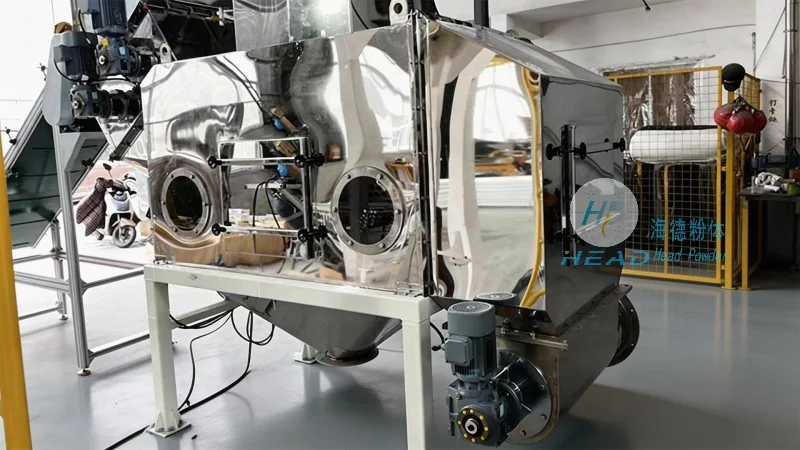
Positive pressure bulk material pneumatic conveying equipment offers several advantages over traditional mechanical conveying methods. One of the primary benefits is the ability to handle a wide range of materials, including powders, granules, and fine particles, without the need for mechanical components that can cause wear and tear or contamination. The system is also highly flexible, allowing for easy integration into existing production lines and the ability to change the conveying route as needed. Another advantage is the reduced risk of product contamination, as the system is enclosed and operates under positive pressure, preventing external air and contaminants from entering the conveying line. Additionally, positive pressure conveying systems can operate at higher speeds and over longer distances compared to other pneumatic conveying methods, making them suitable for various industrial applications. The equipment also minimizes labor costs and maintenance requirements, as there are fewer moving parts compared to mechanical conveyors. Overall, the use of positive pressure bulk material pneumatic conveying equipment enhances operational efficiency, improves product quality, and reduces downtime, making it a preferred choice for many industries.
Applications and Industries Using Positive Pressure Pneumatic Conveying Systems
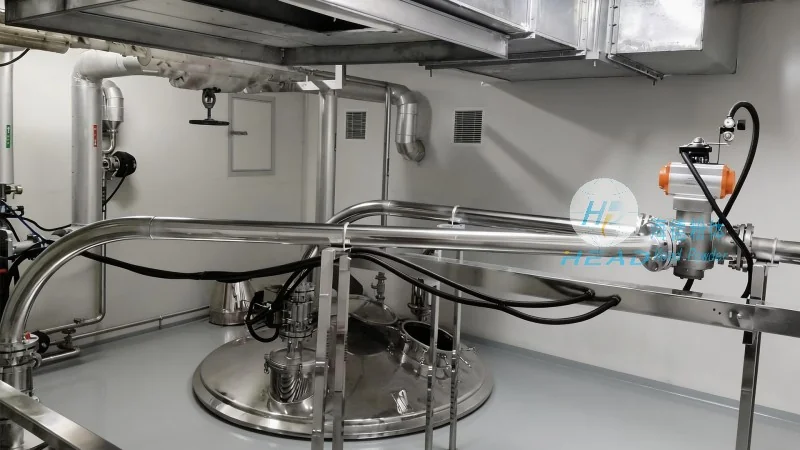
Positive pressure bulk material pneumatic conveying systems are widely used across various industries due to their versatility and efficiency. In the food and beverage industry, these systems are used to transport ingredients such as flour, sugar, and spices, ensuring that the materials are handled hygienically and without contamination. The pharmaceutical industry also relies on positive pressure conveying for transporting active pharmaceutical ingredients (APIs) and other sensitive materials, as the system maintains a sterile environment and prevents cross-contamination. The chemical industry uses these systems to handle a variety of chemicals, including powders and granules, while the mining and minerals industry employs them for transporting raw materials like coal, ore, and sand. Additionally, the agricultural sector utilizes positive pressure conveying for handling grain and other agricultural products, ensuring efficient and clean transport. The versatility of the system makes it suitable for a wide range of applications, from small-scale operations to large industrial facilities.
Maintenance and Troubleshooting for Positive Pressure Bulk Material Pneumatic Conveying Systems
Maintaining the performance and reliability of positive pressure bulk material pneumatic conveying systems is crucial for ensuring continuous operation. Regular maintenance is essential to prevent issues such as clogging, pressure loss, and equipment failure. The maintenance schedule typically includes routine checks of the air supply system, including the blower or compressor, to ensure proper operation and pressure levels. The conveying line and feeder should be inspected for any signs of wear or damage, and the filters or cyclones should be cleaned or replaced as needed to maintain efficient material separation. The control systems should be checked for proper functionality, ensuring that the pressure and flow rates are adjusted correctly based on the material characteristics. Common troubleshooting steps include checking the air pressure and flow rate, inspecting the feeder for blockages, and verifying the condition of the filters. If clogging occurs, the system may need to be cleared by manually removing the material or using a pressure relief valve. Regular maintenance and timely troubleshooting help to minimize downtime and extend the lifespan of the equipment, ensuring optimal performance and efficiency.




