Operation Process and Working Principle of Wheat Flour Material Pneumatic Conveying Line
Release time:2026-09-21 14:01:41
name of the company:Shandong Headpowder Engineering Co., Ltd.
telephone:156-6277-7102
contacts:Zhang manager
HeadPowder, a leading provider of industrial conveying solutions, specializes in the design, manufacturing, and installation of advanced pneumatic conveying systems tailored for the handling of wheat flour and other fine powders. This article delves into the operational process and underlying principles of a wheat flour material pneumatic conveying line, offering insights into how these systems efficiently transport bulk materials while maintaining product quality and system reliability.
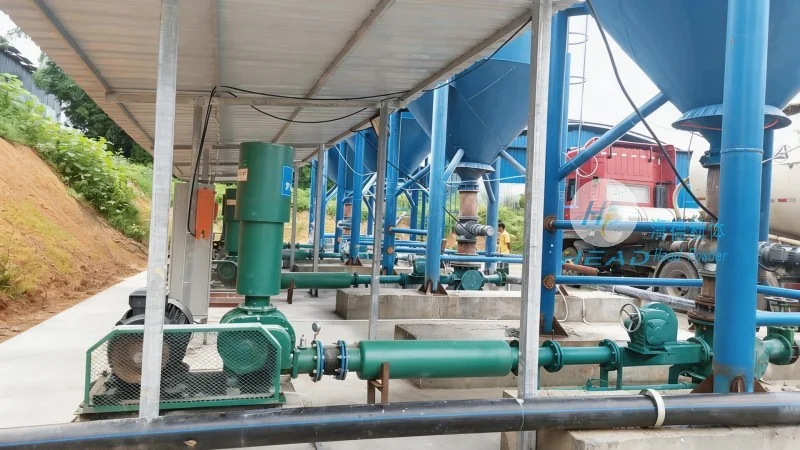
Introduction to Pneumatic Conveying Systems for Wheat Flour
Pneumatic conveying, or air conveying, is a method of transporting bulk materials such as wheat flour through a pipeline using a stream of pressurized or vacuum air. Unlike mechanical conveyors, which rely on physical components like belts or buckets, pneumatic systems utilize air pressure to move materials, making them ideal for handling fine, dusty, or hygroscopic powders like wheat flour. The primary advantage of this technology lies in its ability to maintain product integrity, minimize contamination, and achieve high-precision control over material flow.
Key Components of a Wheat Flour Pneumatic Conveying Line
A typical wheat flour pneumatic conveying system consists of several critical components that work in concert to ensure efficient material transport. These include:
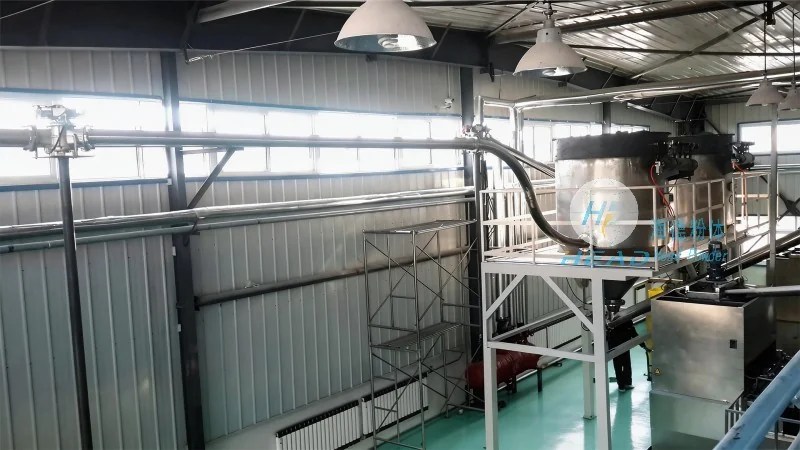
- Feeder: The feeder is responsible for introducing the wheat flour into the conveying line at a controlled rate. It ensures a consistent flow of material, preventing overloading or underloading of the system. Common types include rotary valves, star feeders, or screw feeders, which are chosen based on the material's properties and the required flow rate.
- Conveying Pipe: The pipeline serves as the main channel for transporting the wheat flour. It is typically made of stainless steel or other corrosion-resistant materials to withstand the abrasive nature of flour and prevent contamination. The pipe diameter and length are carefully designed to optimize air velocity and minimize pressure drop.
- Air Supply Unit: This component generates the necessary air pressure or vacuum to move the material. It includes a blower or vacuum pump, air filters, and pressure regulators. The air supply unit ensures a stable and clean air stream, which is crucial for maintaining product purity and system efficiency.
- Separation and Collection Equipment: At the end of the conveying line, the wheat flour is separated from the air stream. This is typically achieved using cyclone separators or bag filters. The separated flour is then collected in a storage bin or silo, while the air is filtered and discharged or recirculated.
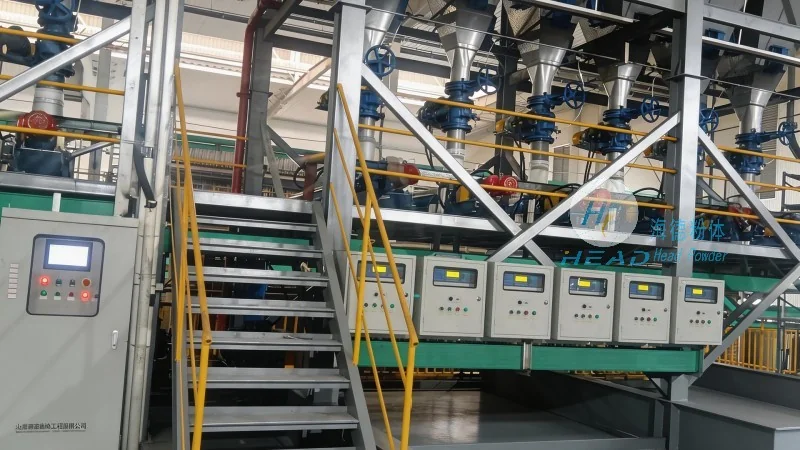
- Control System: Modern pneumatic conveying systems are equipped with advanced control systems that monitor and regulate key parameters such as air pressure, flow rate, and material level. These systems use sensors and programmable logic controllers (PLCs) to ensure smooth operation, detect faults, and optimize performance.
Working Principle of the Wheat Flour Pneumatic Conveying Process
The operation of a wheat flour pneumatic conveying line follows a systematic sequence of steps, each designed to ensure efficient and reliable material transport. The process typically begins with the feeding of wheat flour into the system:
- Material Feeding: The wheat flour is introduced into the feeder at a controlled rate. The feeder ensures a consistent flow, preventing clogging or uneven distribution of the material.
- Air Injection: Simultaneously, the air supply unit generates a stream of pressurized air that is introduced into the conveying pipe. The air velocity is maintained at a level sufficient to suspend the wheat flour particles and carry them through the pipeline.
- Material Suspension and Transport: As the air flows through the pipe, it suspends the wheat flour particles, creating a slurry-like mixture. The combined air and material stream moves through the pipeline under the influence of air pressure, traveling from the feeder to the separation point.
- Material Separation: At the receiving end of the line, the air and material mixture enters a cyclone separator. The centrifugal force within the cyclone causes the heavier wheat flour particles to separate from the air stream and fall into the collection bin. The air, now relatively clean, exits the separator and may be filtered or recirculated.
- Product Collection: The separated wheat flour is collected in a storage bin or silo, ready for further processing or packaging. The system may include additional equipment such as a rotary valve or a conveyor to transfer the flour to the next stage of production.
Advantages of Wheat Flour Pneumatic Conveying Systems
Wheat flour pneumatic conveying systems offer several advantages over traditional mechanical conveying methods, making them the preferred choice for many food processing and industrial applications:
- Product Integrity and Purity: Pneumatic systems minimize product contamination and maintain the quality of wheat flour by avoiding direct contact with mechanical components. The enclosed pipeline design prevents exposure to external contaminants, ensuring that the flour remains clean and hygienic.
- Space Efficiency: Unlike large mechanical conveyors, pneumatic systems require less floor space and can be installed in vertical or horizontal configurations, making them suitable for facilities with limited space.
- Flexibility and Scalability: Pneumatic conveying systems can be easily reconfigured or expanded to accommodate changes in production volume or material handling requirements. The modular design allows for the addition of new components or the integration of multiple conveying lines.
- Low Maintenance: With fewer moving parts compared to mechanical conveyors, pneumatic systems experience lower maintenance requirements and longer service life. This reduces downtime and operational costs for the end-user.
- Energy Efficiency: Modern pneumatic systems are designed to optimize energy consumption by using efficient air compressors and controlling air velocity to minimize pressure drop. This results in lower operational costs and reduced environmental impact.
Applications and Industries
Wheat flour pneumatic conveying lines are widely used in various industries where the handling of fine powders is critical. Some common applications include:
- Food Processing: In flour mills and bakeries, pneumatic systems are used to transport wheat flour from storage silos to mixing and packaging lines. This ensures a continuous and hygienic flow of material, meeting the strict quality standards of the food industry.
- Pharmaceuticals: In pharmaceutical manufacturing, pneumatic conveying is employed to transport powdered ingredients, such as wheat flour-based excipients, while maintaining strict contamination control and product purity.
- Chemical and Industrial: Pneumatic systems are used in chemical plants to transport fine powders, including wheat flour-based additives or fillers, ensuring safe and efficient material handling in industrial settings.
Conclusion
HeadPowder's expertise in designing and implementing wheat flour material pneumatic conveying lines ensures that clients receive reliable, efficient, and cost-effective solutions for their material handling needs. By understanding the operational process and working principles of these systems, businesses can optimize their production processes, maintain product quality, and enhance overall operational efficiency. With a focus on innovation and customer satisfaction, HeadPowder continues to lead the industry in providing advanced pneumatic conveying solutions tailored to the unique requirements of wheat flour and other fine powders.




