For industries dealing with fine powders like pearl sand, efficient and reliable material handling is crucial. The pneumatic conveying system, particularly the pearl sand pneumatic conveying machine, offers a solution that combines advanced engineering with practical application. This equipment is designed to transport fine particulate materials such as pearl sand through a pressurized or vacuum air stream, ensuring minimal product degradation and optimal operational efficiency. The system is widely recognized for its ability to handle delicate materials without causing agglomeration or loss of quality, making it an essential tool in modern industrial processes.
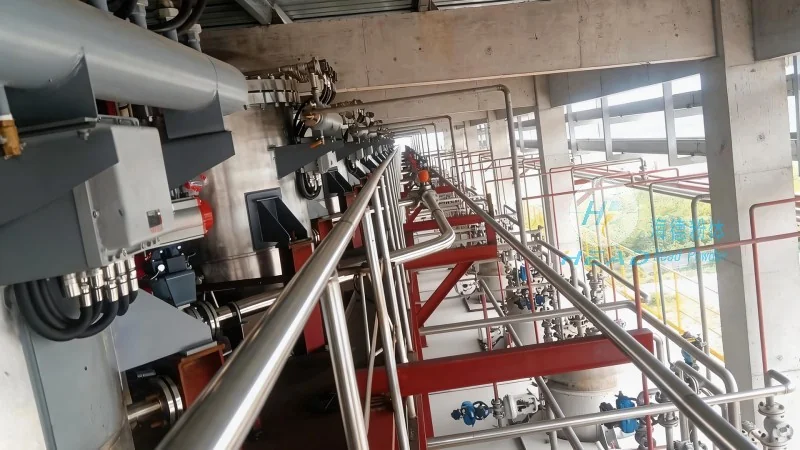
Structural Overview of the Pneumatic Conveying System
The core components of the pearl sand pneumatic conveying machine include the hopper, air compressor, conveying line, and discharge unit. The hopper serves as the storage and feeding section, where the pearl sand is loaded and fed into the system. It is typically equipped with a feeder mechanism, such as a rotary valve or screw feeder, to control the flow rate of the material. The air compressor generates the necessary pressure or vacuum to move the material through the conveying line. There are two main types of compressors used: positive displacement compressors for pressurized systems and vacuum pumps for vacuum systems. The conveying line, typically made of stainless steel or other corrosion-resistant materials, ensures the safe and efficient transport of the sand. The line may include bends, expansion joints, and filters to maintain consistent pressure and prevent material blockages. The discharge unit then delivers the material to the desired destination, such as a storage silo or processing unit. It may include a cyclone separator or other filtration equipment to separate the air from the material before discharge.
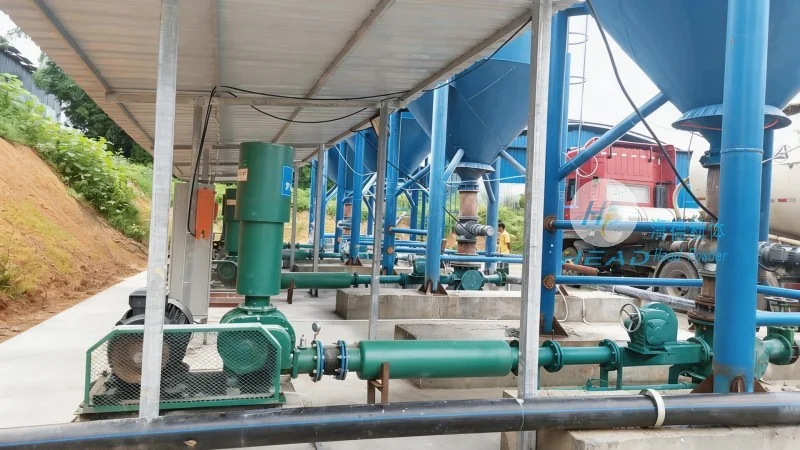
Working Principle of the Pneumatic Conveying Equipment
The operation of the pearl sand pneumatic conveying machine is based on the principle of air flow. In a pressurized system, the air compressor increases the air pressure, which forces the pearl sand particles to move through the conveying line. The air velocity is carefully controlled to maintain a stable flow without causing excessive wear or damage to the equipment. The pressure is typically maintained between 0.5 to 1.5 bar, depending on the material and distance to be conveyed. In a vacuum system, the air compressor creates a negative pressure that draws the material from the hopper into the line. The vacuum is usually maintained at around 0.1 to 0.2 bar, which is sufficient to transport the material over short distances. The design of the conveying line, including the use of bends and expansion joints, is optimized to minimize pressure loss and ensure consistent material transport. The air and material are mixed in the conveying line, and the mixture is then separated at the discharge unit, where the material is collected and the air is either recirculated or vented.
Key Features and Advantages of the Equipment
Shandong HeadPowder Engineering Co., Ltd. has developed this equipment with several key features that enhance its performance and reliability. The stainless steel construction ensures durability and resistance to corrosion, which is essential for handling fine powders that may contain moisture or other corrosive substances. The system is equipped with advanced control systems that allow for precise regulation of air pressure and flow, ensuring consistent material transport. The control panel may include sensors to monitor pressure, flow rate, and temperature, providing real-time feedback and allowing for automatic adjustments. The equipment is designed for easy maintenance, with accessible components that can be serviced quickly. The use of high-quality seals and bearings reduces the risk of leaks and wear, extending the equipment's lifespan. The advantages of using this pneumatic conveying machine include reduced product contamination, lower energy consumption compared to traditional methods like bucket elevators or belt conveyors, and improved safety due to the enclosed system. The system also minimizes dust emissions, contributing to a cleaner working environment.
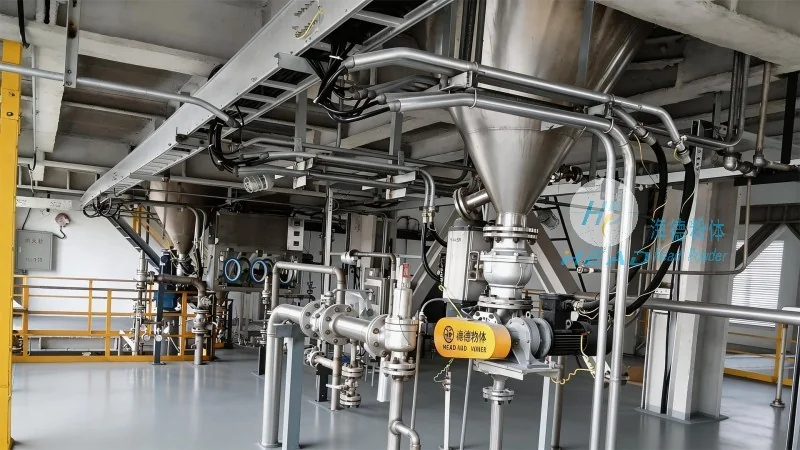
Application in Industrial Settings
The pearl sand pneumatic conveying machine is widely used in various industrial applications where fine powders need to be transported efficiently. These include manufacturing processes in the ceramics industry, where pearl sand is used as a raw material for glazes and coatings. The equipment is also used in the pharmaceutical industry to transport fine powders used in drug formulations, where product purity and contamination control are critical. In the food industry, the machine is used to transport food-grade ingredients like spices and flavorings, ensuring that the materials are handled hygienically and without cross-contamination. The equipment is suitable for applications that require minimal product degradation, such as in the handling of sensitive materials like pharmaceuticals or food products. By using this system, industries can achieve higher production efficiency and lower operational costs, while maintaining the quality of their products. The system's ability to handle fine powders without causing agglomeration or loss of quality makes it a preferred choice for many manufacturers.




