HeadPowder, a leading manufacturer based in Shandong, China, specializes in the design and production of advanced pneumatic conveying systems for various industrial applications. This article provides a detailed overview of the operation process and working principle of a silicon carbide powder pneumatic conveying machine, highlighting its key components, operational steps, and technical advantages.
Introduction to Silicon Carbide Powder Pneumatic Conveying
Silicon carbide (SiC) is a high-performance ceramic material widely used in the manufacturing of abrasive tools, refractory materials, and semiconductor components due to its exceptional hardness, thermal stability, and chemical resistance. The efficient handling of SiC powder is crucial for maintaining product quality and operational efficiency in production lines. Pneumatic conveying systems offer a reliable solution for transporting fine powders like silicon carbide, minimizing dust generation and ensuring consistent material flow.
Key Components of the Pneumatic Conveying System
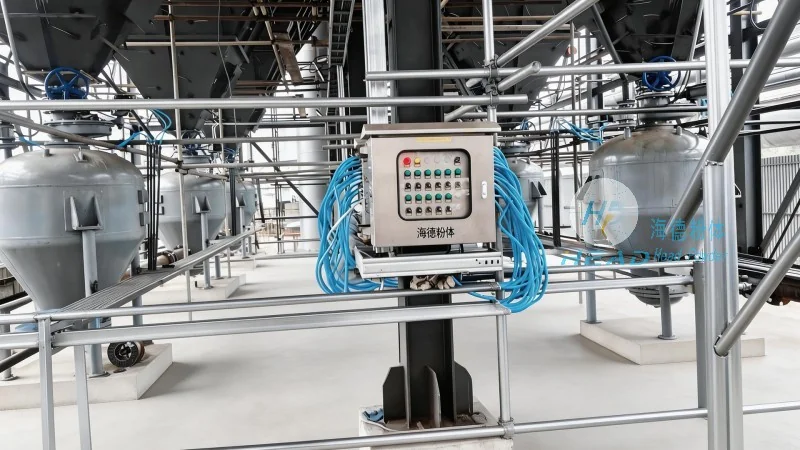
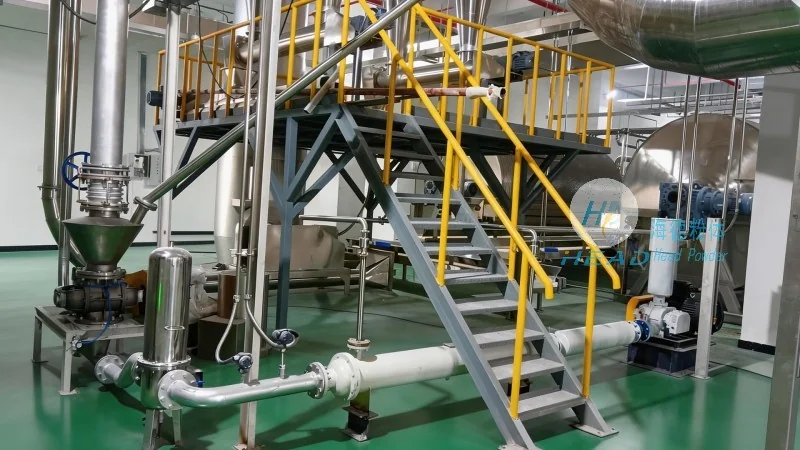
The silicon carbide powder pneumatic conveying machine consists of several critical components that work in tandem to achieve effective material transport. These include:
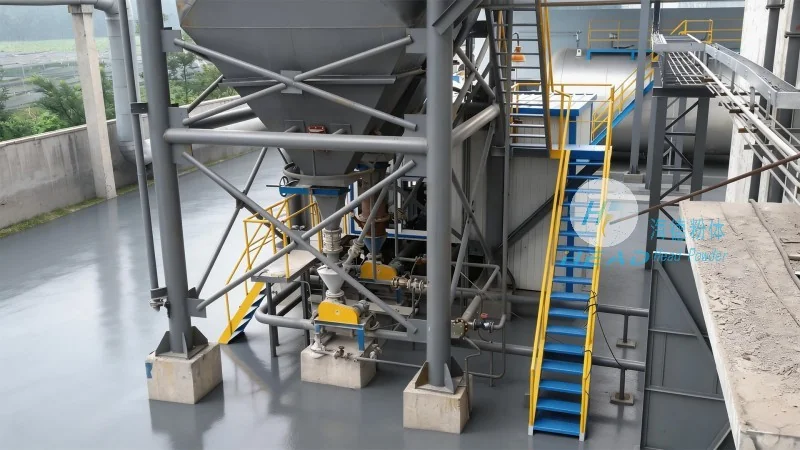
- Feeder: A device that controls the flow rate of silicon carbide powder from the storage hopper into the conveying line, ensuring a consistent feed rate to maintain system stability.
- Pneumatic Conveying Pipe: A network of pipes that transports the powder using compressed air, with the design optimized for low pressure drop and minimal particle degradation.
- Compressor and Air Treatment Unit: Provides the necessary compressed air, with filtration and drying systems to ensure clean air quality and prevent contamination of the silicon carbide powder.
- Separation and Collection System: Includes cyclones or filters that separate the powder from the air stream, allowing for safe and efficient material recovery and air purification.
- Control System: An integrated control panel that monitors and regulates the operation of the entire system, ensuring optimal performance and safety.
Operation Process of the Pneumatic Conveying Machine
The operation of the silicon carbide powder pneumatic conveying machine follows a systematic sequence to ensure smooth and efficient material transport. The process begins with the loading of silicon carbide powder into the storage hopper. The feeder then regulates the powder flow into the pneumatic conveying pipe, where compressed air is introduced to create a flow of air and powder mixture. The mixture travels through the conveying pipe to the destination point, such as a processing unit or storage silo. At the receiving end, the separation system separates the powder from the air, collecting the silicon carbide powder in a container while the air is filtered and discharged.
Working Principle of the Pneumatic Conveying System
The working principle of the silicon carbide powder pneumatic conveying machine is based on the use of compressed air to create a fluidized or suspended state of the powder particles. When compressed air is introduced into the conveying pipe, it creates a pressure differential that propels the powder particles forward. The key to efficient pneumatic conveying is maintaining the right air-to-powder ratio, which ensures that the powder remains suspended in the air stream without settling or clogging the system. The system's design, including the pipe diameter, length, and air velocity, is optimized to achieve this balance, minimizing energy consumption and maximizing conveying efficiency.
Advantages of Using a Silicon Carbide Powder Pneumatic Conveying Machine
Implementing a pneumatic conveying system for silicon carbide powder offers several advantages over traditional methods like bucket elevators or belt conveyors. These include:
- Reduced Dust Generation: The enclosed system minimizes dust exposure, improving workplace safety and compliance with environmental regulations.
- Improved Material Handling: The system provides a continuous and uniform flow of powder, reducing the risk of material segregation and ensuring consistent product quality.
- Energy Efficiency: Modern pneumatic conveying systems are designed to operate with lower energy consumption compared to other bulk material handling methods.
- Flexibility in Layout: The use of flexible pipes allows for more flexible and space-saving layouts, adapting to various production line configurations.
Conclusion
HeadPowder's silicon carbide powder pneumatic conveying machine represents a reliable and efficient solution for handling high-performance ceramic powders. By understanding the operation process and working principle of this equipment, industrial manufacturers can optimize their material handling processes, enhance productivity, and ensure the quality of silicon carbide-based products. With its advanced design and robust construction, this system is well-suited for demanding industrial applications, providing long-term performance and durability.




