Diatomite powder, a natural sedimentary rock composed primarily of diatom skeletons, is widely used in various industrial applications due to its unique properties such as high porosity, excellent filtration, and thermal stability. The efficient handling and transportation of diatomite powder are critical for maintaining product quality and operational efficiency in processing plants. Pneumatic conveying systems offer a reliable solution for transporting diatomite powder from storage to processing units, avoiding issues like dust contamination and material degradation that can occur with traditional mechanical conveying methods.
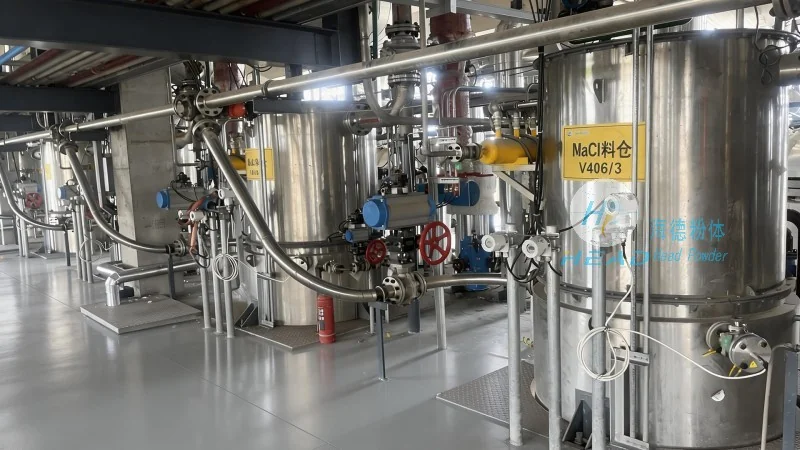
HeadPowder's Expertise in Pneumatic Conveying Solutions
Shandong HeadPowder Engineering Co., Ltd., a leading manufacturer in the field of powder handling equipment, specializes in designing and manufacturing customized pneumatic conveying systems tailored to the specific needs of diatomite powder applications. With years of experience and a deep understanding of the material's characteristics, HeadPowder provides comprehensive solutions that ensure safe, efficient, and cost-effective powder transport. The company's commitment to quality and innovation has made it a trusted partner for industries relying on diatomite powder in their production processes.
Key Components of a Diatomite Powder Pneumatic Conveying System
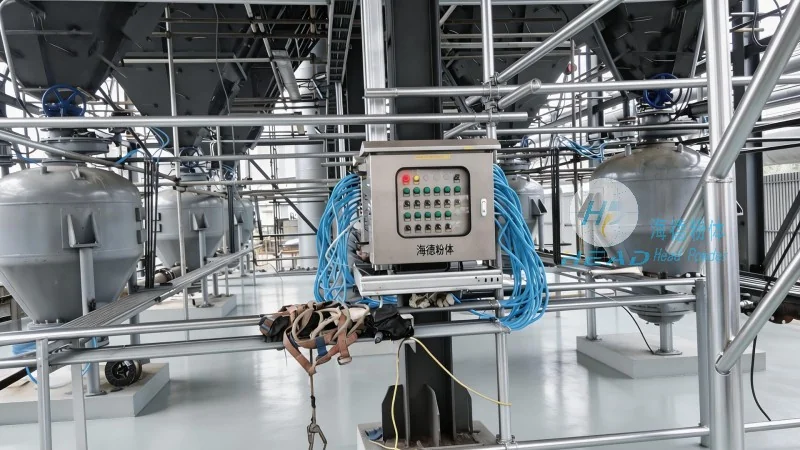
A typical diatomite powder pneumatic conveying line consists of several key components that work in harmony to achieve reliable material transport. These components include a hopper for material storage, a feeder to control the flow rate, a conveying line (usually a pipeline) that transports the powder, and a receiver for the material at the destination. The system may also incorporate additional elements such as filters, cyclones, and dust collection equipment to ensure environmental compliance and product purity.
The Operation Process of Diatomite Powder Pneumatic Conveying
The operation of a diatomite powder pneumatic conveying line involves a series of controlled steps to ensure smooth and continuous material transport. The process begins with the diatomite powder being loaded into the storage hopper. A feeder, often a rotary valve or a screw feeder, regulates the flow of powder from the hopper into the conveying line. Simultaneously, a blower or a compressor generates the necessary air pressure to move the powder through the pipeline. As the powder is carried by the air stream, it travels through the conveying line to the receiving hopper at the processing unit. The air and powder mixture is then separated at the receiver, typically using a cyclone or a filter, where the powder is collected and the air is discharged or recirculated.
Working Principle of Pneumatic Conveying for Diatomite Powder
The working principle of a pneumatic conveying system for diatomite powder is based on the use of air as the conveying medium. The system operates by creating a pressure differential between the hopper and the receiver. The blower supplies compressed air, which creates a high-pressure environment in the conveying line. The powder is then entrained by the air stream, forming a suspension that moves through the pipeline. The velocity of the air is critical; it must be sufficient to lift and transport the powder particles without causing excessive wear on the system components or degradation of the powder. The design of the conveying line, including the pipe diameter, length, and bends, is carefully engineered to maintain the required air velocity and pressure to ensure efficient transport.
Advantages of Pneumatic Conveying for Diatomite Powder Handling
Compared to traditional mechanical conveying methods, pneumatic conveying offers several advantages for handling diatomite powder. These include reduced risk of dust contamination, as the material is contained within the pipeline, preventing exposure to the environment. Additionally, pneumatic systems allow for the transport of powder over longer distances and at higher elevations without the need for complex mechanical components. The process is also more flexible, as the conveying line can be easily reconfigured or expanded to accommodate changes in production requirements. Furthermore, pneumatic conveying can improve product quality by minimizing the risk of material degradation, such as caking or agglomeration, which can occur with prolonged exposure to air or mechanical stress.
Customization and Application Flexibility
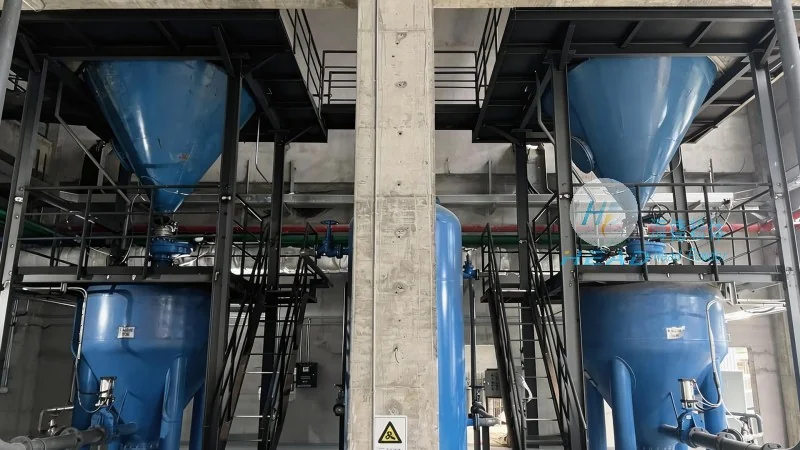
HeadPowder understands that each diatomite powder application has unique requirements, and therefore offers customized pneumatic conveying solutions. The company works closely with clients to assess their specific needs, including the volume of powder to be transported, the distance and elevation changes, and the required material handling speed. Based on this assessment, HeadPowder designs a system that optimizes performance, energy efficiency, and cost-effectiveness. The company's engineers consider factors such as the powder's density, flowability, and moisture content to ensure the most suitable conveying method and equipment are selected. This customization ensures that the final system meets all operational and regulatory requirements, providing a reliable solution for long-term use.
Quality Assurance and Maintenance
Ensuring the longevity and reliability of a diatomite powder pneumatic conveying system requires proper maintenance and quality control. HeadPowder emphasizes the importance of regular maintenance to prevent system failures and maintain optimal performance. This includes routine checks of the blower, feeder, and conveying line for wear and tear, as well as cleaning of filters and cyclones to prevent clogging. The company also provides training to clients on proper operation and maintenance procedures, ensuring that the system is used correctly and efficiently. By adhering to strict quality standards and providing comprehensive support, HeadPowder ensures that its pneumatic conveying systems deliver consistent performance and meet the highest industry standards.




