For agricultural and industrial applications, efficient material handling is crucial, especially when dealing with bulk materials like corn. Pneumatic conveying systems offer a reliable solution for transporting corn and other similar granular materials. This article explores the operation process and working principle of corn material pneumatic conveying systems, highlighting the key components and the step-by-step procedures involved in their operation.
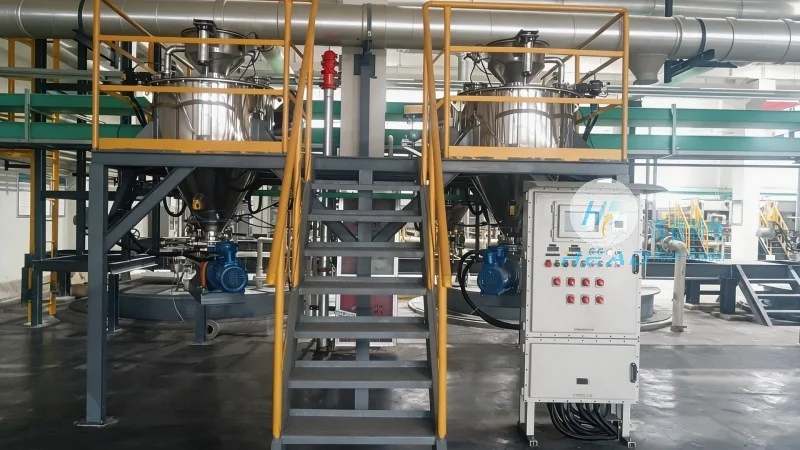
Introduction to Corn Material Pneumatic Conveying Systems
Pneumatic conveying systems use air or gas to transport solid materials through a pipeline. In the case of corn material handling, these systems are designed to efficiently move corn from storage silos, processing facilities, or other points of origin to processing lines or storage locations. The technology is widely used in the agricultural and food processing industries due to its ability to handle large volumes of material with minimal labor and reduced risk of contamination.
Key Components of a Corn Pneumatic Conveying System
A typical corn material pneumatic conveying system consists of several essential components that work in tandem to ensure smooth operation. These components include:
- Feeder: The feeder is responsible for feeding the corn material into the conveying line. It can be a screw feeder, a rotary valve, or a hopper with a controlled discharge mechanism. The feeder ensures a consistent flow rate of corn into the system.
- Conveying Pipe: The main pipeline through which the corn is transported. The pipe is usually made of stainless steel or other corrosion-resistant materials to handle the abrasive nature of corn and prevent material buildup.
- Air Supply System: This includes a blower or compressor that generates the necessary air pressure to move the corn particles. The air supply system is critical as it provides the force required to lift and transport the corn through the pipeline.
- Separation and Collection Equipment: At the end of the conveying line, a separator or cyclone is used to separate the corn from the air stream. The collected corn is then discharged into a storage bin or processing unit. The separated air is either vented to the atmosphere or recirculated, depending on the system design.
- Control System: Modern pneumatic conveying systems are equipped with a control system that monitors and regulates the flow rate, air pressure, and other operational parameters. This ensures optimal performance and prevents system failures.
The Operation Process of Corn Material Pneumatic Conveying Systems
The operation of a corn material pneumatic conveying system involves a series of steps that ensure the material is transported efficiently and safely. The process typically begins with the corn being fed into the system from a storage silo or hopper. The feeder then controls the flow rate, ensuring a consistent supply of corn to the conveying line.
Next, the air supply system generates the required air pressure. The air is introduced into the conveying pipe at a specific point, often near the feeder. As the air flows through the pipe, it creates a low-pressure zone that draws the corn particles into the air stream. The corn particles are then carried along the pipeline by the moving air.
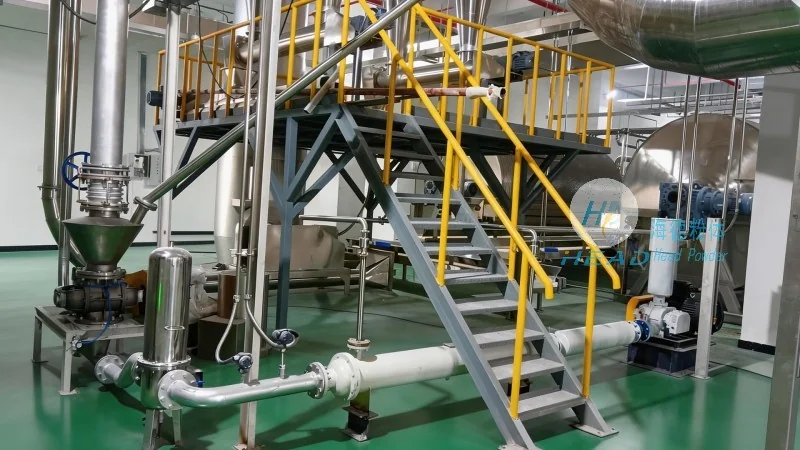
During the conveying process, the corn particles may experience some friction and abrasion due to the pipe walls and other components. However, the system is designed to minimize these effects, ensuring the corn remains intact and free from damage.
At the receiving end of the conveying line, a separator or cyclone is used to separate the corn from the air. The separator works by using centrifugal force to separate the heavier corn particles from the lighter air. The corn is then collected in a storage bin or processing unit, while the air is either vented or recirculated back into the system.
Working Principle of Corn Material Pneumatic Conveying Systems
The working principle of a corn material pneumatic conveying system is based on the principle of fluidization and the momentum of the air stream. When air is introduced into the conveying pipe, it creates a flow that can lift and transport the corn particles. The key is to maintain a sufficient air velocity to overcome the gravitational force acting on the corn particles.
The system operates on the principle of pneumatic transport, where the corn particles are suspended in the air stream and carried along the pipeline. The air velocity must be high enough to keep the particles in suspension but not so high as to cause excessive wear on the system components.
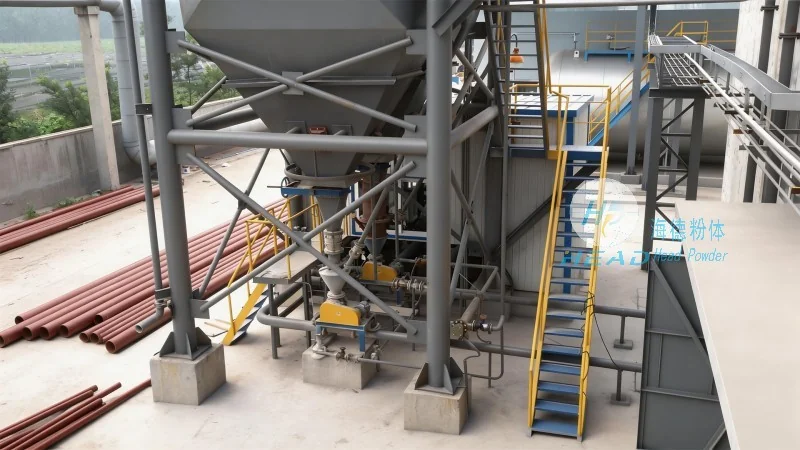
Another important aspect of the working principle is the pressure drop across the system. The blower or compressor must generate enough pressure to overcome the friction losses in the pipe and the resistance at the feeder and separator. Proper design of the system ensures that the pressure drop is minimized, resulting in efficient operation and reduced energy consumption.
Advantages of Using Corn Material Pneumatic Conveying Systems
Pneumatic conveying systems offer several advantages over traditional mechanical conveying methods, especially when handling corn and other similar materials. These advantages include:
- Reduced Labor and Maintenance: Pneumatic systems require less manual labor for material handling and have fewer moving parts, resulting in lower maintenance costs.
- Reduced Risk of Contamination: The enclosed pipeline design prevents the material from coming into contact with the environment, reducing the risk of contamination from dust, moisture, or other external factors.
- Efficient Material Handling: These systems can handle large volumes of corn quickly and efficiently, improving overall production throughput.
- Flexibility in Layout: Pneumatic conveying systems can be easily integrated into existing facilities and can be reconfigured to accommodate changes in production needs.
Conclusion
Corn material pneumatic conveying systems are an essential part of modern agricultural and food processing operations. By understanding the operation process and working principle of these systems, users can optimize their performance and ensure efficient handling of corn and other bulk materials. The technology offers numerous benefits, including reduced labor costs, improved safety, and enhanced production efficiency.
For those in need of reliable corn material handling solutions, Shandong HeadPowder Engineering Co., Ltd. provides high-quality pneumatic conveying systems tailored to specific application requirements. With a focus on efficiency and durability, HeadPowder's systems are designed to meet the demands of modern agricultural and industrial operations.




