HeadPowder, a leading provider in the field, specializes in advanced pneumatic conveying systems tailored for coffee bean handling. This technology offers an efficient and reliable method for transporting coffee beans from processing sites to storage or packaging areas. The following sections will delve into the operational process and the underlying principles that make this system effective for coffee bean material transport.
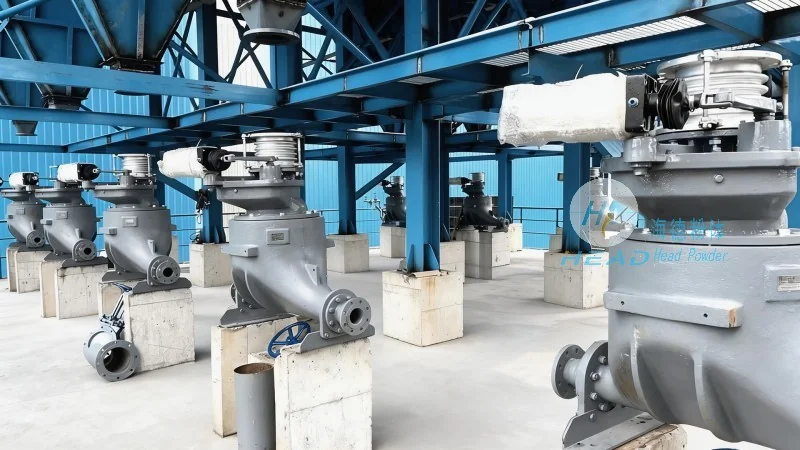
Key Components of the Pneumatic Conveying System
The pneumatic conveying system for coffee beans typically consists of several critical components that work in tandem to ensure smooth material movement. These include the hopper or feed hopper, which holds the coffee beans; the air compressor or blower that generates the necessary air pressure; the conveying line, often made of flexible or rigid tubing; and the receiver or discharge hopper where the coffee beans are deposited. Each component plays a vital role in maintaining the system's efficiency and preventing material degradation.
Working Principle: How the System Transports Coffee Beans
The operation of the pneumatic conveying system for coffee beans is based on the principle of using air to move solid particles. The process begins when coffee beans are fed into the hopper. The air compressor then generates a flow of air, which is introduced into the conveying line. As the air flows through the line, it lifts and transports the coffee beans along the path. The velocity and pressure of the air are carefully controlled to ensure that the beans are conveyed without excessive friction or breakage. The system can operate in either positive pressure or negative pressure modes, depending on the specific requirements of the coffee bean handling process.
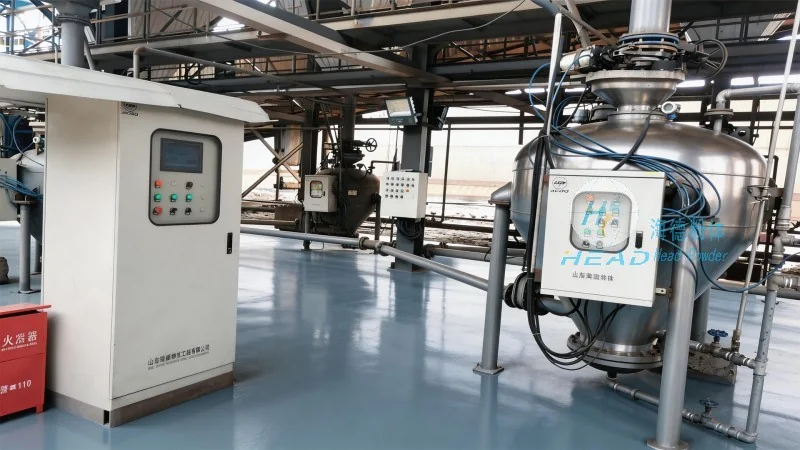
Operation Process: Step-by-Step Execution
The operational process of the coffee bean pneumatic conveying system involves several sequential steps. First, the coffee beans are loaded into the feed hopper. The system then starts the air compressor, which creates the necessary airflow. The beans are then drawn or pushed into the conveying line by the air current. As the beans travel through the line, they are guided by the tube's design, which may include bends or turns. The receiver hopper at the end of the line collects the coffee beans, completing the transport. The system is designed to maintain consistent flow rates and pressure levels to ensure reliable and continuous operation.
Advantages of Using Pneumatic Conveying for Coffee Beans
Implementing a pneumatic conveying system for coffee beans offers several advantages over traditional methods like belt conveyors or manual handling. These benefits include reduced labor costs, as the system automates the transport process; improved product quality, as the beans are handled gently, minimizing breakage and damage; and enhanced hygiene, as the enclosed system prevents contamination from external sources. Additionally, the system allows for flexible layout designs, making it suitable for various coffee processing facilities, regardless of their size or layout.
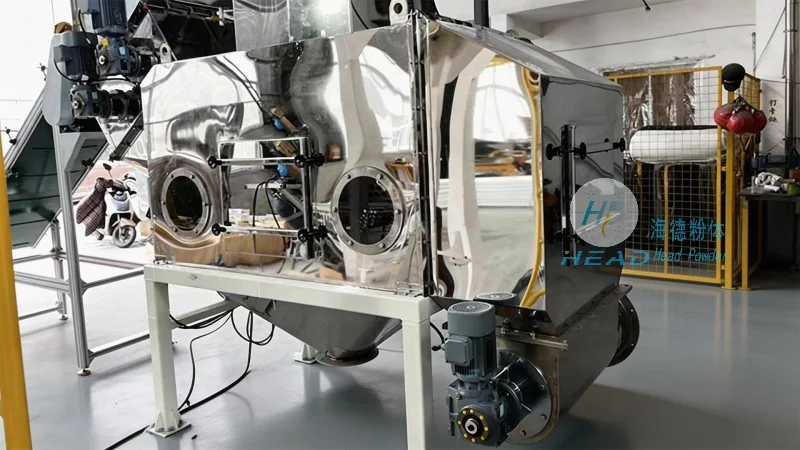
Applications in Coffee Processing Facilities
Pneumatic conveying systems are widely used in coffee processing facilities for various stages of coffee bean handling. Common applications include transporting raw coffee beans from storage silos to roasting machines, moving roasted beans from the roaster to cooling and packaging areas, and conveying ground coffee or coffee powders to storage tanks. The versatility of the system allows it to adapt to different stages of the coffee production process, ensuring efficient material flow throughout the facility.
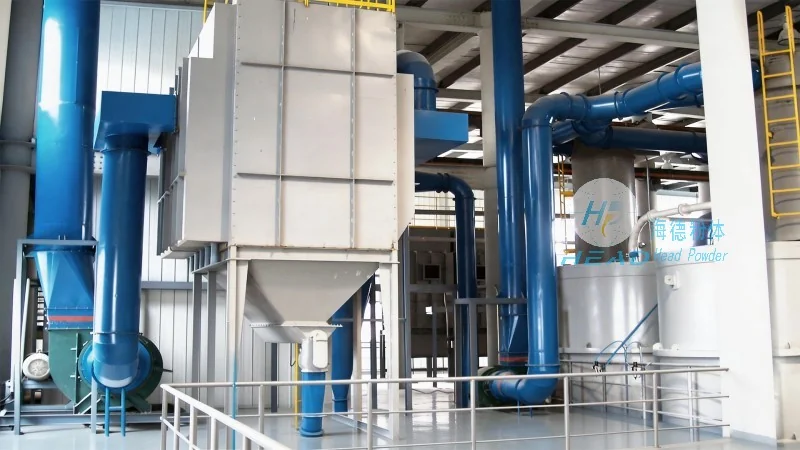
Maintenance and Operational Considerations
To ensure the long-term reliability and efficiency of the pneumatic conveying system for coffee beans, regular maintenance is essential. This includes checking the air compressor for proper performance, inspecting the conveying line for blockages or wear, and cleaning the hopper and receiver to prevent material buildup. Additionally, monitoring the system's pressure and flow rates helps in identifying any potential issues before they lead to system failures. Proper training of operators on the system's operation and maintenance procedures is also crucial for maintaining optimal performance.
Conclusion: The Role of HeadPowder in Coffee Bean Pneumatic Conveying
HeadPowder Engineering Co., Ltd., based in Shandong, China, provides comprehensive solutions for coffee bean pneumatic conveying systems. By leveraging advanced technology and expertise, HeadPowder ensures that coffee processing facilities can achieve efficient, reliable, and cost-effective material transport. The company's commitment to quality and customer satisfaction makes it a trusted partner for businesses in the coffee industry seeking to enhance their material handling processes.




