

Principle and Working Scene Characteristics of Thermoplastic Polyurethane Powder Pneumatic Conveying
HeadPowder, a leading enterprise based in Shandong, China, specializes in the design and manufacturing of advanced pneumatic conveying systems tailored for thermoplastic polyurethane (TPU) powders. This article delves into the fundamental principles behind the operation of these systems and highlights the key characteristics of their working environments, providing insights into how such equipment enhances material handling efficiency in industrial settings.
Understanding the Core Principle of Thermoplastic Polyurethane Powder Pneumatic Conveying
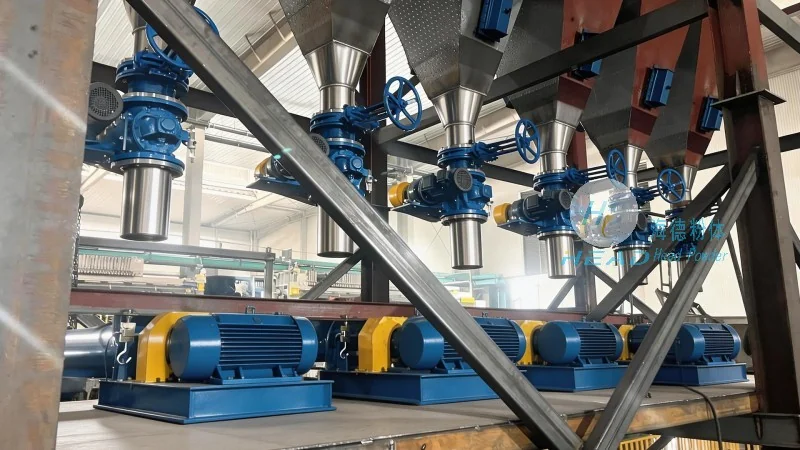
The thermoplastic polyurethane powder pneumatic conveying machine operates on the principle of air-based transportation, where powders are transported through a pipeline using compressed air or other gas streams. Unlike traditional mechanical conveyors, this method eliminates the need for moving parts in contact with the material, reducing wear and tear and minimizing the risk of contamination. The system typically consists of a hopper for material storage, a venturi or pressure drop device to create the necessary airflow, and a receiver for the discharged material. The process begins when the TPU powder is released from the hopper, and the induced airflow draws the particles into the pipeline, carrying them to the destination. The design of the conveying line, including the diameter and length of the pipes, as well as the air velocity, is critical to ensure efficient and reliable transport. HeadPowder's systems are engineered to optimize these parameters, ensuring that even fine or cohesive TPU powders are conveyed smoothly without clogging or degradation.
Key Working Scene Characteristics and Applications
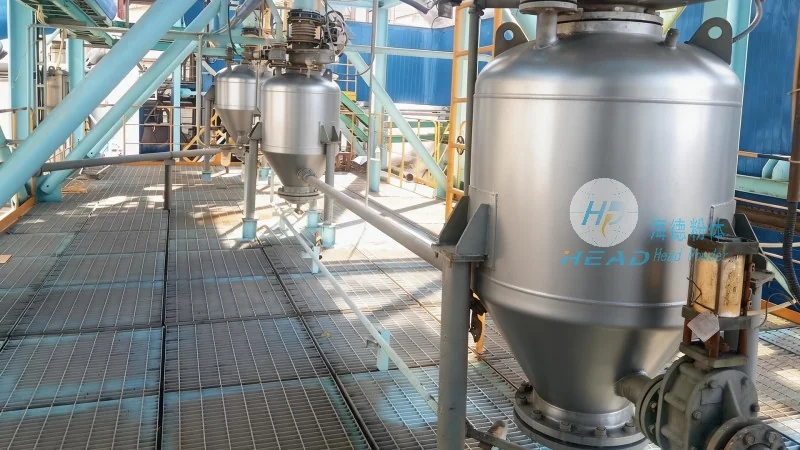
The thermoplastic polyurethane powder pneumatic conveying machine is widely utilized in various industrial scenarios where the handling of TPU powders is essential. These applications include manufacturing processes for automotive parts, medical devices, and consumer goods, where precise and contamination-free material transport is paramount. In automotive production, for instance, TPU powders are used to produce components such as seat cushions and interior trim, and the pneumatic conveying system ensures that these materials are delivered to the production line without any dust or particle loss. Similarly, in the medical device industry, the system helps maintain sterile conditions by preventing the introduction of contaminants during the powder transfer process. The working environment of these systems is characterized by high precision and reliability, as any disruption in the airflow or material flow can impact the quality of the final products. HeadPowder's equipment is designed to operate in these demanding environments, offering consistent performance and minimal downtime.
Advantages and Technical Features of the Pneumatic Conveying System
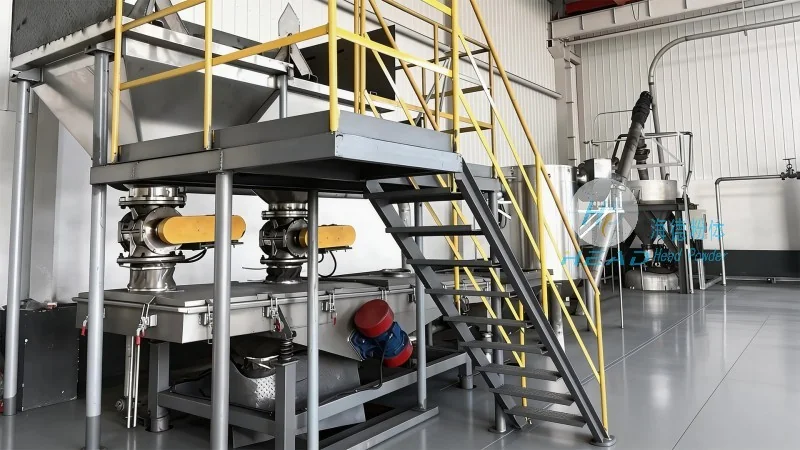
One of the primary advantages of the thermoplastic polyurethane powder pneumatic conveying machine is its ability to handle a wide range of powder characteristics, including fine, coarse, and cohesive TPU powders. The system's flexibility allows it to adapt to different production scales, from small-scale laboratory applications to large-scale industrial manufacturing. Additionally, the equipment is equipped with features such as pressure regulation, flow control, and dust collection systems, which enhance its operational efficiency and safety. The use of high-quality materials in the construction of the conveying lines, such as stainless steel or corrosion-resistant alloys, ensures durability and resistance to the chemical properties of TPU powders. HeadPowder's commitment to quality and innovation is reflected in the robust design and performance of their pneumatic conveying systems, which meet the stringent requirements of modern industrial applications.