Wheat flour material handling systems are critical in the food processing industry, ensuring the efficient and safe transport of wheat flour from storage to processing or packaging stages. These systems integrate various components designed to handle bulk materials, maintain product quality, and enhance operational efficiency. Understanding the operation process and working principle of such systems is essential for optimizing workflow in flour mills and related facilities.
Key Components and Their Roles
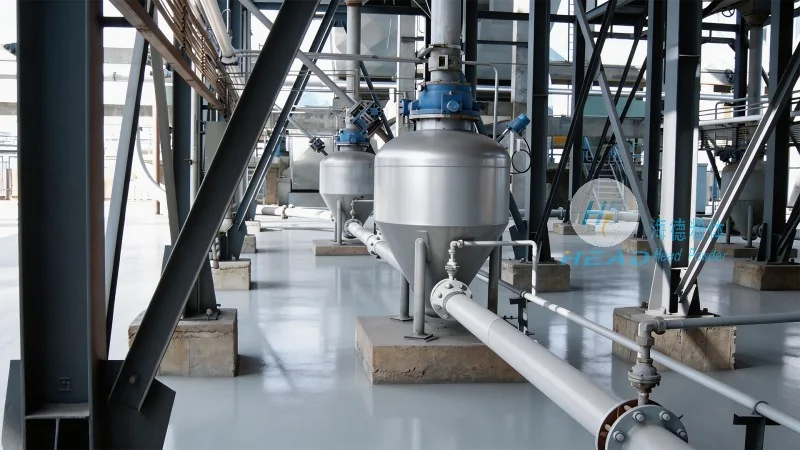
The core components of a typical wheat flour material handling system include silos or storage bins for raw wheat or flour, conveyor belts or pneumatic systems for material transport, feeding mechanisms to control flow rates, and control panels for automated operation. Each component plays a vital role in the overall functionality of the system. For instance, storage silos are designed to store large quantities of wheat or flour, ensuring a steady supply for processing. Conveyor belts, whether belt conveyors or screw conveyors, are used to move materials horizontally or vertically. Pneumatic systems, such as air slides or ducts, are ideal for transporting fine powders like wheat flour, minimizing dust and ensuring gentle handling. Feeding mechanisms, like rotary valves or gate valves, regulate the flow of material into the next stage, preventing overloading or underflow. Control panels integrate sensors and automation systems to monitor and adjust the operation in real-time, enhancing safety and efficiency.
The Operation Process: From Storage to Discharge
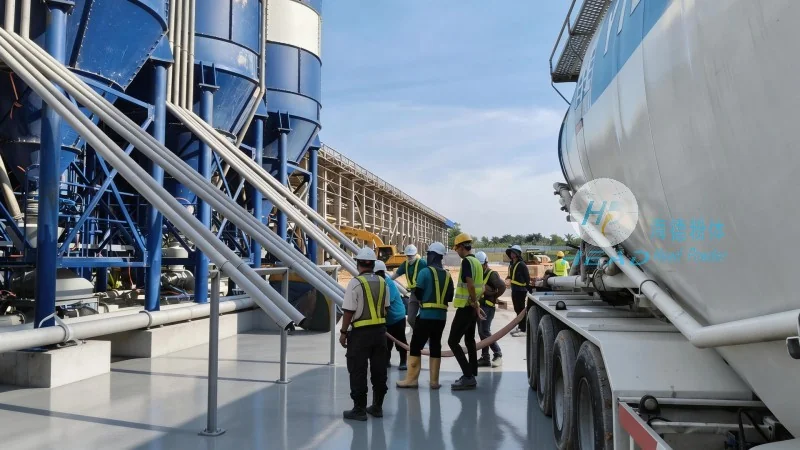
The operation process of a wheat flour material handling system typically begins with the loading of raw materials into storage silos. These silos are equipped with inlet hatches and level indicators to monitor the material level. Once the silos are filled, the system initiates the material flow. The first step involves the discharge of wheat from the silo into a conveyor system. This is often done using a bottom discharge valve or a rotary unloader, which allows controlled release of the material. The conveyor system then transports the wheat to a grinding or milling unit. After processing, the flour is collected in a flour silo or a transfer bin. From there, the flour is moved to the packaging or distribution area. The entire process is automated, with sensors and control systems ensuring that each step is executed smoothly and without interruption. The system can be programmed to operate on a schedule or based on demand, adapting to the production needs of the facility.
Working Principle: Ensuring Efficient Material Transport
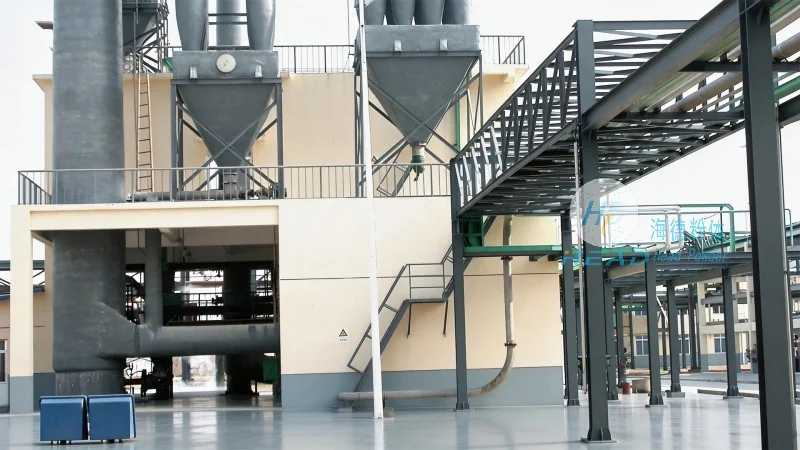
The working principle of a wheat flour material handling system revolves around the principles of gravity, mechanical force, and pneumatic pressure. For bulk materials like wheat flour, gravity is often utilized to move materials from higher to lower levels, reducing the need for additional energy. Conveyor belts use mechanical power to move materials horizontally or at an incline, while screw conveyors rely on rotating screws to push material forward. Pneumatic systems, on the other hand, use compressed air to create a flow of material through ducts or air slides. This method is particularly effective for fine powders, as it minimizes particle breakage and dust generation. The system also incorporates safety features such as overload protection, emergency stop buttons, and dust collection systems to ensure safe operation. The control system monitors parameters like material flow rate, pressure, and temperature, adjusting the operation to maintain optimal conditions. This ensures that the material is transported efficiently while maintaining its quality and preventing contamination.
Company Overview: HeadPowder Engineering
HeadPowder Engineering, a leading manufacturer in the field, specializes in designing and supplying advanced wheat flour material handling systems. With a strong presence in China, the company is headquartered in Shandong, where it operates from a modern facility equipped with state-of-the-art technology and skilled personnel. HeadPowder Engineering has a rich history of providing customized solutions to meet the diverse needs of flour mills and food processing facilities worldwide. The company’s products are known for their durability, efficiency, and compliance with industry standards. By leveraging years of experience and continuous innovation, HeadPowder Engineering has established itself as a trusted partner in the material handling industry. The company’s commitment to quality and customer satisfaction has earned it a reputation for reliability and excellence in the market.
Technical Advantages and Applications
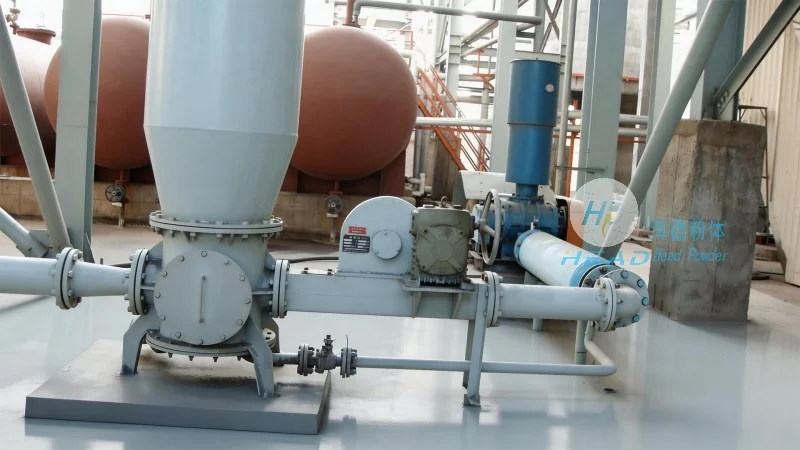
Wheat flour material handling systems offered by HeadPowder Engineering come with several technical advantages that enhance their performance and usability. These include high capacity handling, which allows for the processing of large volumes of wheat or flour, reducing downtime and increasing productivity. The systems are also designed for low maintenance, with easy access to components for inspection and repair. This reduces operational costs and ensures continuous operation. Additionally, the systems are equipped with advanced control systems that provide real-time monitoring and data analysis, enabling operators to make informed decisions and optimize the process. The systems are widely used in various applications, including flour mills, bakeries, and food processing plants. They are suitable for handling different types of wheat flour, from whole wheat to refined white flour, and can be customized to fit specific production requirements. The systems are also designed to meet environmental regulations, with features like dust collection and noise reduction to minimize the impact on the environment and surrounding areas.




