Low-rank coal, also known as lignite or sub-bituminous coal, is characterized by lower carbon content and higher moisture levels compared to bituminous coal. Handling and transporting this material requires specialized engineering solutions to address its unique physical properties and operational challenges. The design of a negative pressure pneumatic conveying system is a critical technology for efficiently moving low-rank coal from storage or processing areas to end-use applications. This article outlines the key design principles, essential components, and operational considerations for such a system, with a focus on the expertise of Shandong HeadPowder Engineering Co., Ltd. in developing tailored solutions for industrial clients.
Core Design Principles for Low-Rank Coal Negative Pressure Pneumatic Conveying
The successful design of a low-rank coal negative pressure pneumatic conveying system hinges on several fundamental principles that ensure optimal performance and reliability. First, the system must be engineered to handle the specific characteristics of low-rank coal, including its particle size distribution, moisture content, and density. These properties directly influence the air velocity required for effective particle suspension and the selection of appropriate equipment like cyclones and filters. Second, the system's capacity and the distance over which the coal needs to be conveyed are critical parameters that dictate the sizing of the vacuum pump or air compressor, ductwork, and material handling components. Third, adherence to safety and environmental regulations is paramount, as the system must incorporate dust control measures and explosion prevention systems to protect personnel and the environment. By integrating these principles, engineers can develop a system that minimizes operational costs, reduces maintenance requirements, and ensures compliance with industry standards.
Key Components and Their Functions
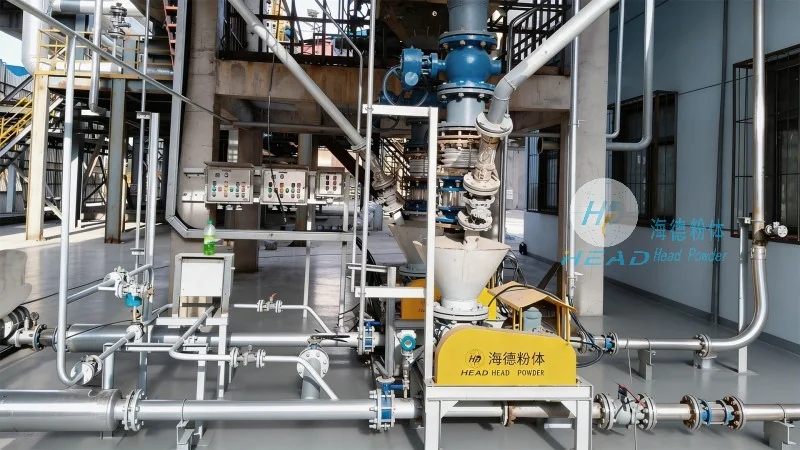
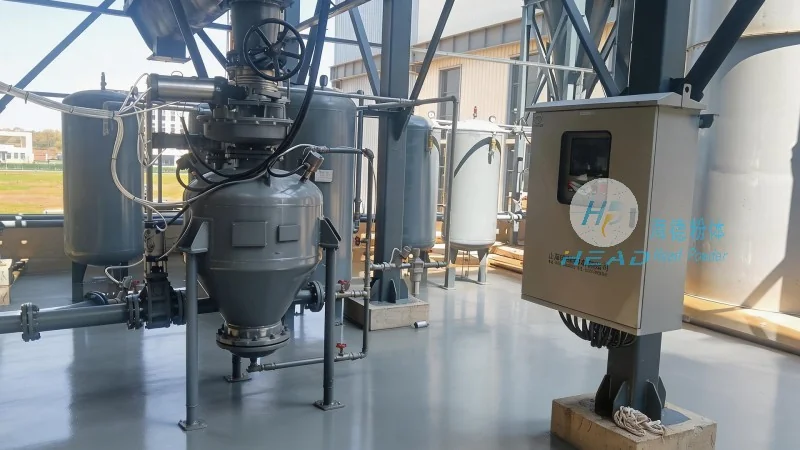
The negative pressure pneumatic conveying system for low-rank coal comprises several interdependent components that work together to achieve efficient material transport. The primary components include a material feeder, which accurately meters the coal into the conveying line, and a vacuum pump or air compressor that generates the negative pressure necessary to draw the coal particles into the system. The conveying line, typically constructed from stainless steel or other corrosion-resistant materials, transports the coal-air mixture from the source to the destination. Cyclones and filters are integral to the system, as they separate the coal from the air, allowing the air to be recirculated while the coal is collected in a hopper or storage bin. The material separator, often a rotary valve or rotary airlock, controls the discharge of the coal from the system, preventing backflow and ensuring smooth operation. Each component is carefully selected and sized based on the specific application requirements, ensuring that the system operates at peak efficiency and meets the client's performance expectations.
Operational Performance and Optimization
The operational principle of a negative pressure pneumatic conveying system is based on creating a low-pressure environment that draws the coal particles into the conveying line using the air flow. The system operates by feeding coal into the inlet of the conveying line, where it is mixed with the air stream. The air velocity is maintained at a level sufficient to keep the coal particles suspended and transported to the destination. The negative pressure generated by the vacuum pump or compressor ensures that the air and coal mixture moves through the system without backflow or leakage. Performance metrics such as conveying capacity, pressure drop, and energy consumption are critical indicators of the system's efficiency. Engineers at Shandong HeadPowder Engineering Co., Ltd. utilize advanced simulation tools and field testing to optimize these metrics, ensuring that the system meets the specific needs of the client while minimizing operational costs. The system's ability to handle varying coal qualities and particle sizes makes it a versatile solution for industrial applications, providing reliable transport regardless of the material's characteristics.
Customization and Integration with Existing Facilities
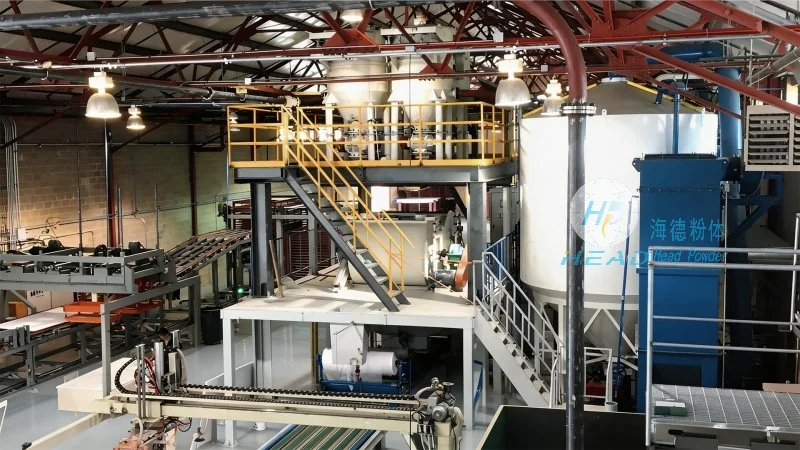
Shandong HeadPowder Engineering Co., Ltd. specializes in designing customized negative pressure pneumatic conveying systems tailored to the unique requirements of each client. The company's engineers work closely with clients to understand their specific operational needs, including the type of low-rank coal being handled, the distance and elevation changes involved, and any existing infrastructure that may need to be integrated. The design process involves detailed site surveys, material analysis, and computational fluid dynamics (CFD) simulations to predict system performance under various conditions. This approach ensures that the final system is not only efficient but also compatible with the client's existing facilities, minimizing disruption during installation and operation. The company's expertise in integrating the conveying system with other industrial processes, such as storage, processing, or packaging, further enhances the overall effectiveness of the solution, providing a seamless workflow for the client.
Maintenance and Longevity
Proper maintenance is essential to ensure the long-term reliability and efficiency of a negative pressure pneumatic conveying system for low-rank coal. Regular maintenance activities include cleaning the filters and cyclones to prevent clogging, inspecting the conveying lines for signs of wear or corrosion, and checking the performance of the vacuum pump or compressor. The company provides comprehensive maintenance services, including scheduled inspections, parts replacement, and troubleshooting support, to help clients maximize the system's lifespan. By adhering to a regular maintenance schedule, clients can reduce downtime, minimize operational costs, and ensure consistent performance of the conveying system. The use of high-quality materials and components in the system's construction also contributes to its longevity, providing a reliable solution for low-rank coal handling over many years.
Conclusion
The design of a negative pressure pneumatic conveying system for low-rank coal is a complex but essential engineering task that requires a deep understanding of both the material properties and the operational requirements of the system. Shandong HeadPowder Engineering Co., Ltd. has established itself as a leader in this field, providing customized solutions that meet the specific needs of industrial clients. By focusing on key design considerations, selecting appropriate components, and optimizing operational parameters, the company ensures that its systems deliver reliable, efficient, and cost-effective transport of low-rank coal. The expertise and experience of the company's engineers, combined with its commitment to quality and customer satisfaction, make it a trusted partner for businesses seeking to improve their coal handling operations and enhance overall productivity.




