For manufacturers in the lithium-ion battery industry, the efficient and safe handling of cathode materials is crucial to the production process. Pneumatic conveying technology has emerged as a key solution for transporting these materials, offering advantages in terms of safety, hygiene, and operational flexibility. This article explores the various types of pneumatic conveying systems used for lithium-ion battery cathode materials, their key characteristics, and the specific application scopes where they excel.
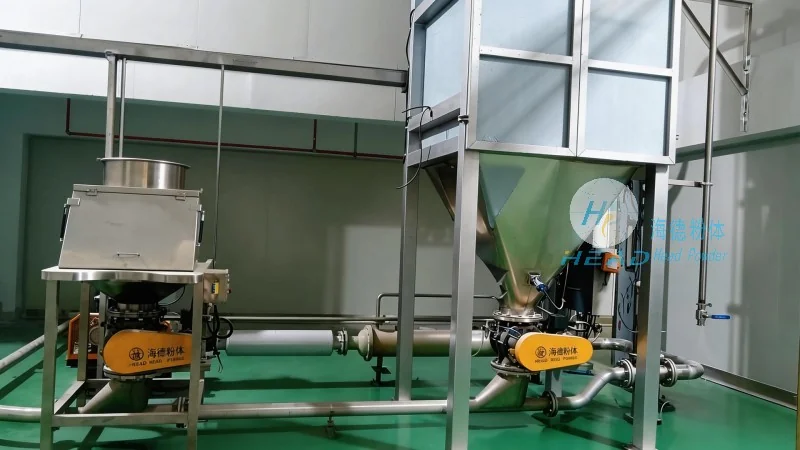
Types of Pneumatic Conveying Systems for Lithium-Ion Battery Cathode Materials
There are primarily two main categories of pneumatic conveying systems: dilute-phase and dense-phase. Each type has distinct operational principles and is suited to different material properties and process requirements.
Dilute-Phase Pneumatic Conveying
Dilute-phase systems operate by transporting material particles in a dilute suspension within a high-velocity air stream. This method is particularly effective for materials with good flowability and low dust generation. The system typically uses positive pressure or negative pressure to move the material through a pipeline. Positive pressure systems are common in applications where the material needs to be conveyed over long distances or to multiple destinations, as they can maintain consistent pressure and flow rates. Negative pressure systems, on the other hand, are often used for short-distance conveying or when the material is sensitive to pressure changes, as they create a vacuum that draws the material into the system.
Dense-Phase Pneumatic Conveying
Dense-phase systems, also known as carrier gas systems, operate by conveying material in a dense, solid plug with a carrier gas. This method is ideal for materials that are prone to segregation, agglomeration, or are sensitive to high-velocity air flow. The carrier gas is introduced at a controlled rate to maintain the material in a stable, dense state, reducing the risk of particle degradation or loss of material properties. Dense-phase systems are often used for high-value or high-purity materials, where maintaining the integrity of the material is paramount.
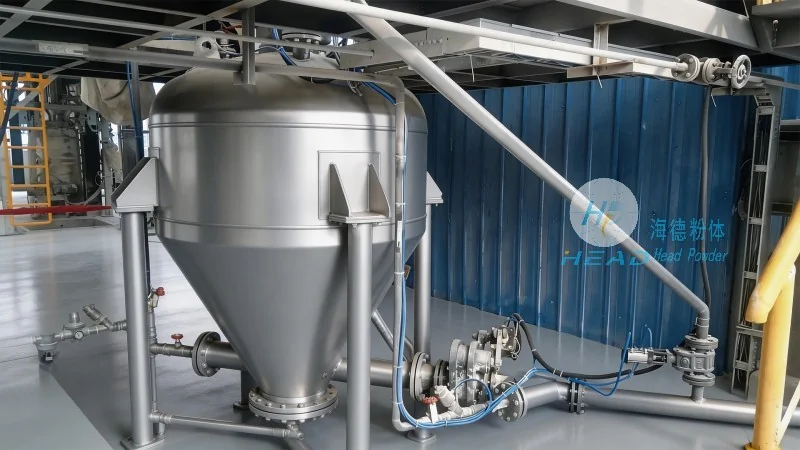
Key Features of Pneumatic Conveying for Lithium-Ion Battery Cathode Materials
When selecting a pneumatic conveying system for lithium-ion battery cathode materials, several key features must be considered to ensure optimal performance and material quality. First, the system must be capable of handling fine powders and granules without causing excessive wear or abrasion to the equipment. Lithium-ion battery cathode materials often consist of nanoscale particles, which are highly abrasive and can damage conventional conveying equipment. Therefore, materials such as stainless steel, aluminum, or specialized alloys are commonly used for the construction of the conveying lines and components to minimize wear and maintain material purity.
Second, the system must provide excellent control over the material flow rate and pressure. This is critical for maintaining consistent material quality and preventing overloading or underloading of downstream processing equipment. Advanced control systems, including pressure sensors, flow meters, and variable speed drives, are often integrated into modern pneumatic conveying systems to achieve precise control. Additionally, the system should be designed to minimize material segregation, as uneven distribution of particle sizes or compositions can lead to performance issues in the final battery products.
Third, the system must ensure high levels of hygiene and contamination control. Lithium-ion battery cathode materials are often sensitive to moisture, oxygen, and other contaminants, which can affect the battery's performance and lifespan. Pneumatic conveying systems can be equipped with sealed containers, air filtration systems, and moisture control mechanisms to maintain a clean and controlled environment. This is particularly important in applications where the material is used in high-purity battery cells, such as those for electric vehicles or consumer electronics.
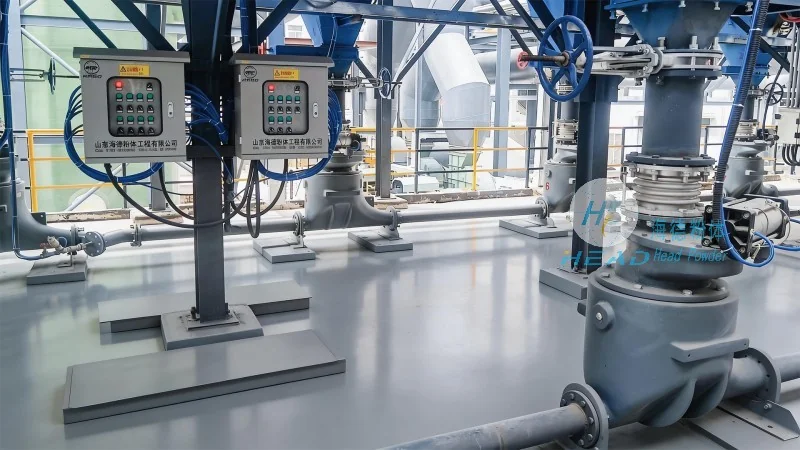
Application Scope of Pneumatic Conveying for Lithium-Ion Battery Cathode Materials
Pneumatic conveying systems are widely used in various stages of the lithium-ion battery production process, from raw material handling to final product packaging. The specific application scopes include:
Raw Material Handling and Storage
In the initial stages of battery production, raw materials such as lithium compounds, cobalt, nickel, and manganese are often stored in bulk containers and need to be transported to the processing facilities. Pneumatic conveying systems are ideal for this application as they can handle large volumes of material efficiently and safely. The systems can be integrated with storage silos or hoppers, allowing for automated material transfer without the need for manual handling. This not only improves operational efficiency but also reduces the risk of workplace accidents and material contamination.
Material Processing and Mixing
After raw materials are received, they undergo various processing steps, including grinding, drying, and mixing. Pneumatic conveying is commonly used to transport these materials between processing equipment, such as mixers, grinders, and dryers. The systems can be designed to handle different material states, from dry powders to wet slurries, ensuring that the material is transferred without degradation or loss of properties. This is crucial for maintaining the uniformity of the cathode material, which directly impacts the performance of the final battery.
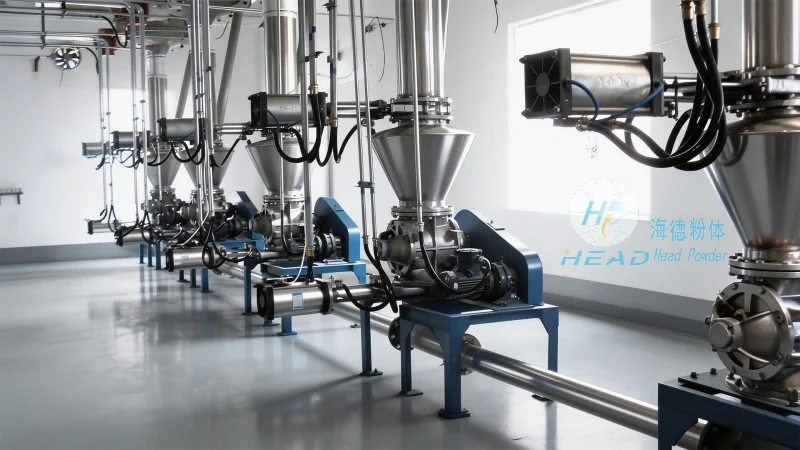
Cell Assembly and Packaging
During the cell assembly stage, the processed cathode material is used to coat the anode and separator, forming the battery cell. Pneumatic conveying systems are used to transport the cathode slurry or paste to the coating machines. The systems must be capable of delivering the material at a consistent rate and with minimal air entrainment, as air bubbles can affect the coating quality and cell performance. Additionally, the systems are often integrated with the coating line to ensure a seamless flow of material, reducing downtime and improving production throughput.
Quality Control and Testing
Before the battery cells are packaged and shipped, they undergo various quality control tests, including electrical performance testing and material analysis. Pneumatic conveying systems may also be used in this stage to transport samples of the cathode material for testing purposes. The systems are designed to handle small quantities of material while maintaining the integrity of the sample, ensuring accurate test results.
Conclusion
Pneumatic conveying technology plays a vital role in the efficient and safe handling of lithium-ion battery cathode materials. By understanding the different types of systems, their key features, and application scopes, manufacturers can select the most appropriate solution for their specific needs. The use of advanced materials, precise control systems, and contamination control measures ensures that the cathode materials are handled with the highest level of quality and consistency, ultimately contributing to the performance and reliability of the final lithium-ion batteries.




