Coal fly ash, a byproduct of coal combustion in thermal power plants, presents significant challenges in handling and transportation due to its fine particle size, high moisture content, and abrasive nature. The development of efficient material handling systems is crucial for optimizing the utilization of fly ash in construction, environmental remediation, and other industrial applications. This article provides an in-depth exploration of the operation process and working principle of a specialized coal fly ash material handling system, highlighting its design features, operational efficiency, and practical applications.
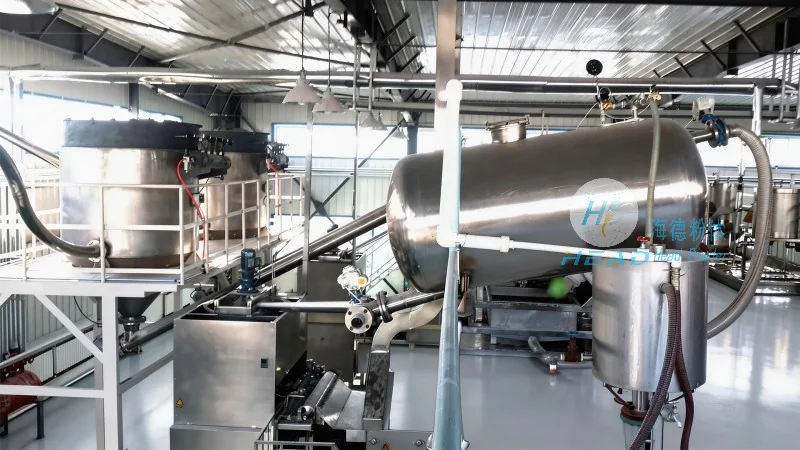
Company Overview: Shandong HeadPowder Engineering Co., Ltd.
HeadPowder, a leading engineering firm based in Shandong, China, specializes in the design, manufacturing, and installation of advanced material handling solutions for various industrial sectors. With a strong commitment to innovation and customer satisfaction, the company has established itself as a trusted partner in providing tailored systems for handling challenging materials like coal fly ash. The company’s expertise in mechanical engineering, process control, and material science enables it to deliver high-performance solutions that meet the stringent requirements of modern industrial operations.
System Components and Design
The coal fly ash material handling system typically consists of several key components, each designed to address specific challenges associated with fly ash transportation. The primary components include a hopper for material storage, a conveyor system for bulk material transport, a dust suppression system to control airborne particles, and a control panel for automated operation. The hopper is constructed from durable materials, such as stainless steel or high-density polyethylene, to withstand the abrasive nature of fly ash and prevent material degradation. The conveyor system may utilize belt conveyors or screw conveyors, depending on the specific application requirements. Belt conveyors are commonly used for long-distance transport due to their high capacity and low maintenance costs, while screw conveyors are preferred for vertical or inclined transport where space is limited.
Operation Process of the Material Handling System
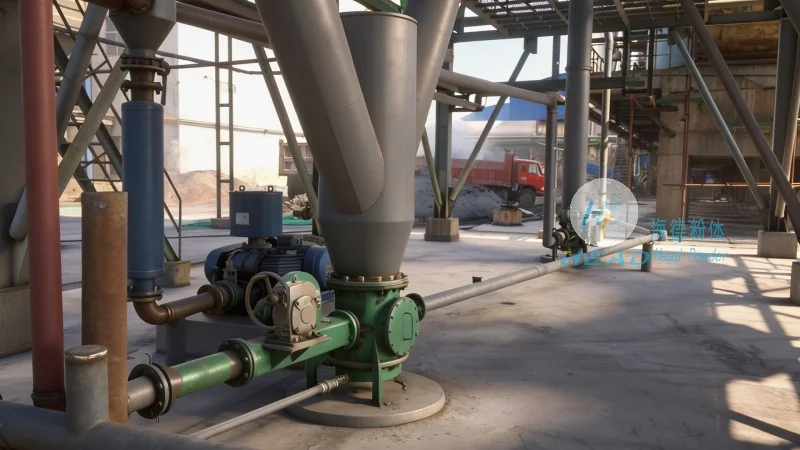
The operation of the coal fly ash material handling system follows a systematic sequence to ensure safe and efficient material transport. The process begins with the loading of fly ash into the hopper, where the material is stored until it is ready for transport. A feeder mechanism, such as a rotary valve or a screw feeder, regulates the flow of material from the hopper into the conveyor system. The conveyor then transports the fly ash to the discharge point, where it is either stored in a silo or directly fed into a processing unit. The system operates under continuous or intermittent mode, depending on the production schedule and material demand. Continuous operation is preferred for high-volume applications, while intermittent operation is suitable for batch processing. The control panel allows operators to monitor the system's performance, adjust conveyor speed, and control the feeder rate to maintain optimal material flow. Safety features, such as emergency stop buttons and overload protection, are integrated into the system to prevent accidents and ensure operator safety.
Working Principle of the System
The working principle of the coal fly ash material handling system is based on mechanical energy transfer and material flow control. The hopper serves as a storage vessel, providing a uniform material feed to the conveyor system. The feeder mechanism ensures a consistent flow rate, preventing blockages and maintaining system stability. The conveyor system uses friction or gravity to move the fly ash along the designated path. Belt conveyors rely on the friction between the conveyor belt and the material to transport it, while screw conveyors use the rotation of a screw to push the material forward. The dust suppression system, typically an air curtain or a water spray system, is activated during material transfer to minimize airborne dust and improve environmental compliance. The control panel uses sensors and feedback mechanisms to adjust the system's operation in real-time, ensuring that the material flow remains stable and efficient. The system's design is optimized to handle the high moisture content and fine particle size of coal fly ash, reducing material degradation and increasing the overall efficiency of the process.
Key Features and Benefits
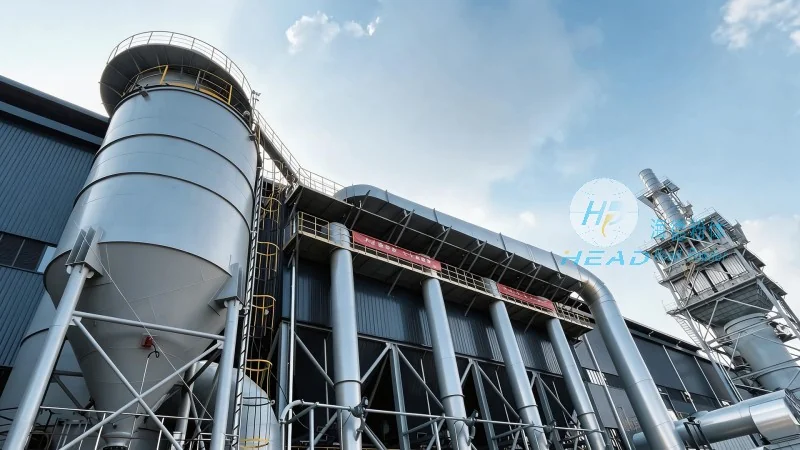
The coal fly ash material handling system developed by Shandong HeadPowder Engineering Co., Ltd. offers several key features that enhance its performance and reliability. The system's modular design allows for easy installation and maintenance, reducing downtime and operational costs. The use of durable materials and advanced manufacturing techniques ensures long service life and minimal maintenance requirements. The integrated dust suppression system significantly reduces airborne dust, improving workplace safety and environmental compliance. The automated control system provides real-time monitoring and adjustment, enabling operators to optimize the system's performance and adapt to changing production conditions. The system's high capacity and low energy consumption make it an economical solution for large-scale fly ash handling applications. Additionally, the system's flexibility allows for customization to meet specific customer requirements, such as different conveyor lengths, discharge heights, or material handling capacities.
Application Examples and Case Studies
The coal fly ash material handling system has been successfully applied in various industrial settings, demonstrating its effectiveness in handling challenging materials. For example, a thermal power plant in Shandong, China, implemented the system to transport fly ash from the boiler to a storage silo, achieving a 20% reduction in handling time and a 15% decrease in dust emissions compared to traditional methods. Another application involved the use of the system in a construction material plant, where fly ash was transported to a mixing facility for concrete production. The system's ability to handle high volumes of material and maintain consistent flow rates improved the overall production efficiency of the plant. These case studies highlight the system's reliability and adaptability in real-world industrial applications, making it a preferred choice for companies seeking efficient and cost-effective fly ash handling solutions.




