

Operation Process and Working Principle of Lithium Oxalate Material Handling
Understanding the operation process and working principle of lithium oxalate material handling is crucial for optimizing industrial production efficiency, especially in the battery materials sector where lithium oxalate plays a vital role as a precursor for lithium iron phosphate (LFP) batteries. This article provides a detailed overview of the key aspects involved in the material transport and processing of lithium oxalate, highlighting the technical components and operational strategies employed by Shandong HeadPowder Engineering Co., Ltd. to ensure reliable and efficient handling of this critical material.
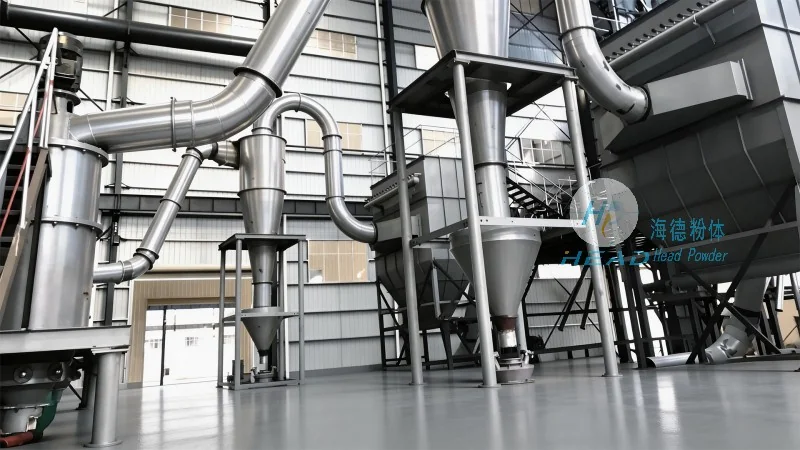
Company Overview and Expertise in Lithium Oxalate Handling
Shandong HeadPowder Engineering Co., Ltd., commonly known as HeadPowder, is a leading manufacturer specializing in the engineering and supply of advanced material handling solutions. With a strong focus on the battery materials industry, the company has developed extensive expertise in processing and transporting lithium oxalate, a key raw material used in the production of lithium iron phosphate batteries. HeadPowder's commitment to quality and innovation has enabled it to provide customized material handling systems tailored to the specific needs of clients in the battery manufacturing sector.
The Lithium Oxalate Material Handling Process: Key Steps and Equipment
The operation process of lithium oxalate material handling typically involves several critical steps, each designed to ensure the safe and efficient transport of the material from storage to processing units. The process begins with the storage of lithium oxalate in specialized containers or silos, which are equipped with temperature and humidity control systems to maintain the material's stability. From the storage area, the material is then transferred to a conveying system, which may include belt conveyors, screw conveyors, or pneumatic transport systems, depending on the specific requirements of the facility.
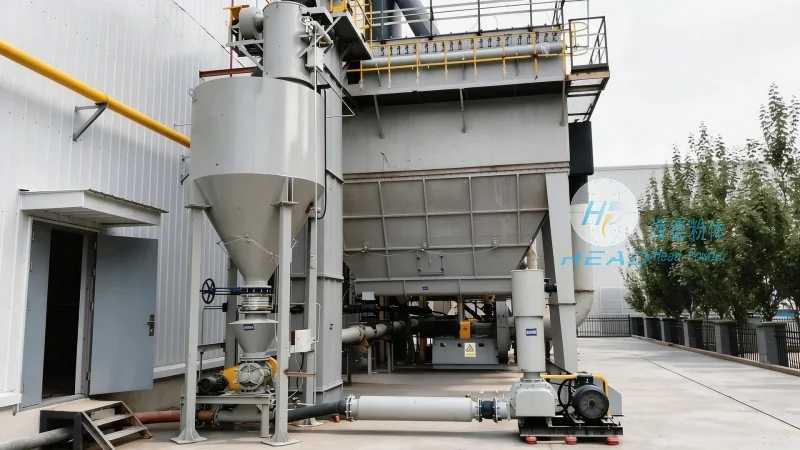
During the conveying process, the material is carefully monitored for any signs of agglomeration or moisture, as these factors can affect the material's flow characteristics and processing performance. The conveying equipment is designed with features such as adjustable speed controls and material flow sensors to ensure smooth and consistent transport. At the processing stage, the lithium oxalate is fed into reactors or mixers where it undergoes further chemical processing to form the final lithium iron phosphate product. The entire handling process is integrated with automated control systems that allow for real-time monitoring and adjustment of operational parameters.
Working Principle of Lithium Oxalate Material Handling Systems
The working principle of lithium oxalate material handling systems revolves around the efficient transfer of material while maintaining its quality and integrity. The systems are designed to minimize material degradation, dust generation, and energy consumption. Key components include feeders, conveyors, and storage silos, each working in tandem to ensure a seamless flow of material. The feeders are responsible for controlling the rate of material discharge from storage, while the conveyors transport the material to the processing units. The storage silos are equipped with aeration systems to prevent moisture buildup and maintain the material's dryness, which is essential for preventing caking and ensuring consistent material properties.
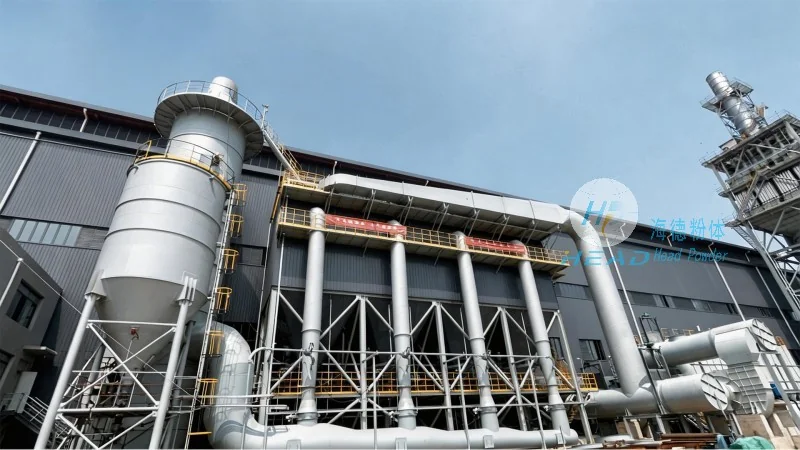
Automation plays a crucial role in the working principle of these systems, as it enables precise control over operational parameters such as speed, pressure, and temperature. Sensors and control panels are integrated into the system to monitor key metrics and adjust settings as needed. This ensures that the material handling process is optimized for efficiency and reliability. Additionally, the systems are designed with safety features to prevent accidents and protect personnel from exposure to the material.
Technical Considerations for Optimal Lithium Oxalate Handling
Several technical considerations are essential for achieving optimal performance in lithium oxalate material handling. One of the primary considerations is the material's hygroscopic nature, which requires careful control of environmental conditions to prevent moisture absorption. This is achieved through the use of sealed containers and aeration systems in storage silos. Another key consideration is the material's tendency to agglomerate, which can lead to blockages in conveying systems. To address this, anti-agglomeration additives may be used, or the material may be processed with a de-agglomeration device to ensure smooth flow.
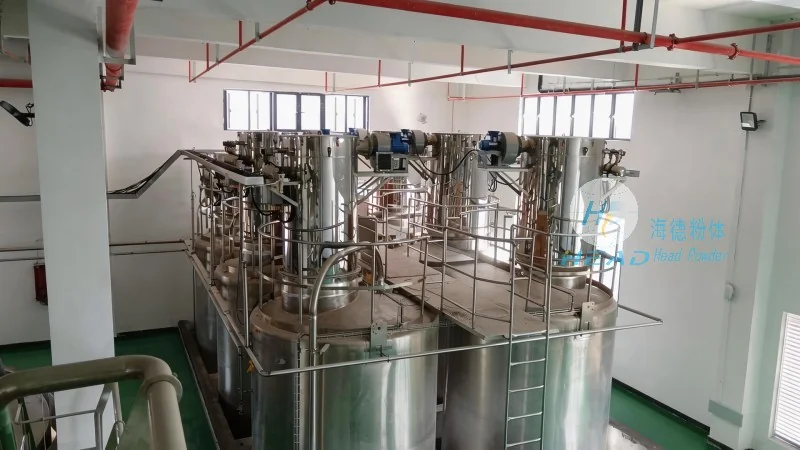
Energy efficiency is also a critical factor in the design of lithium oxalate handling systems. The use of energy-efficient conveyors and automated control systems helps to reduce operational costs while minimizing environmental impact. Additionally, the systems are designed with maintenance in mind, featuring easy access to components for routine checks and repairs. This ensures that the equipment remains in optimal condition and minimizes downtime.
Conclusion: The Importance of Reliable Lithium Oxalate Material Handling
In conclusion, the operation process and working principle of lithium oxalate material handling are complex and require careful consideration of various technical and operational factors. Shandong HeadPowder Engineering Co., Ltd. has demonstrated expertise in designing and implementing effective material handling systems for lithium oxalate, ensuring that the material is transported safely and efficiently to support the production of high-quality lithium iron phosphate batteries. By adhering to best practices in material handling, manufacturers can optimize their production processes, reduce costs, and enhance overall operational performance.