This document provides an in-depth exploration of the principles and operational characteristics of cement powder material conveying lines. These systems are critical in industrial settings where the efficient and reliable transport of bulk cement and similar powders is essential. The focus here is on understanding the underlying mechanisms that enable smooth material handling, as well as the specific environments where such systems excel.
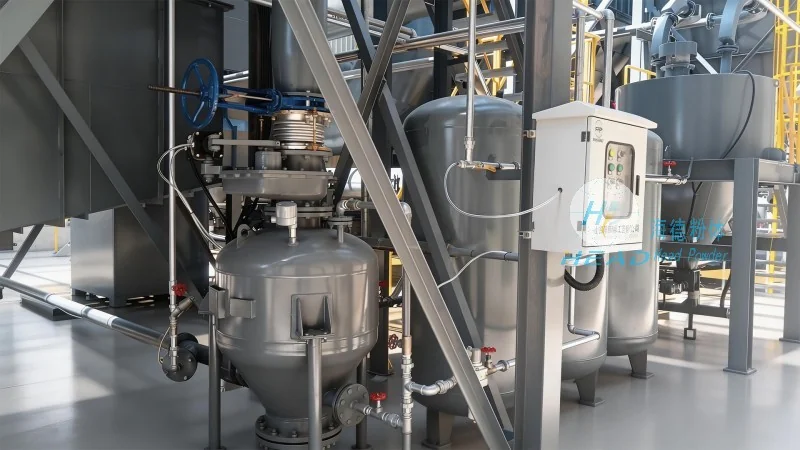
Core Principle of the Conveying System
The fundamental principle of cement powder material conveying lines revolves around the use of specialized equipment designed to handle fine, dry powders like cement. The system typically employs a combination of pneumatic or mechanical components to move the material from a storage silo or hopper to the point of use. Key components include feeders, conveying ducts, and control systems that regulate the flow and pressure of the material. The pneumatic conveying method, for instance, uses compressed air to create a flow that propels the powder through the system, while mechanical systems may rely on screw conveyors or belt systems for transport. The choice of method depends on factors such as the material's properties, the distance to be covered, and the required throughput.
Key Working Scene Characteristics
Cement powder material conveying lines are widely used in various industrial applications, each with distinct characteristics that define their operational environment. One common scenario is in cement production facilities, where these systems are integral to moving raw materials and finished cement products between processing stages. The working environment here is characterized by high volumes of material, strict quality control requirements, and the need for continuous operation to meet production targets. Another typical application is in construction sites or ready-mix concrete plants, where the system efficiently delivers cement to mixing equipment, ensuring consistent mix quality and reducing labor costs associated with manual handling.
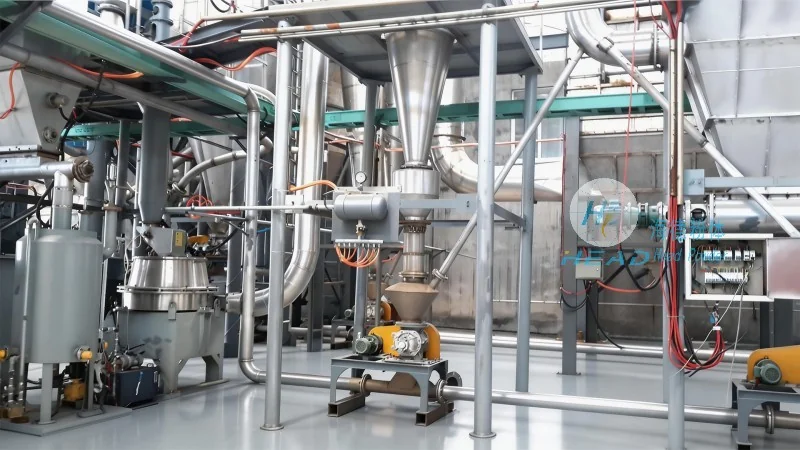
In industrial plants that process other fine powders, such as minerals or chemicals, the conveying lines are adapted to handle similar material properties. The working scene may involve high temperatures or corrosive environments, requiring specialized materials for the ductwork and components to ensure durability and safety. Additionally, in large-scale manufacturing facilities, the conveying system may need to integrate with other automation processes, such as batching and mixing, to maintain a seamless production flow. The characteristics of these working scenes emphasize the importance of reliability, efficiency, and adaptability in the design of the conveying line.
Technical Advantages and Application Scenarios
The technical advantages of cement powder material conveying lines stem from their ability to handle bulk materials with minimal waste and contamination. Unlike manual handling methods, these systems reduce the risk of dust exposure and improve workplace safety. They also enhance operational efficiency by automating the material transport process, allowing for consistent flow rates and reduced downtime. The systems are designed to be scalable, meaning they can be adjusted to accommodate varying production demands, from small-scale operations to large industrial plants.
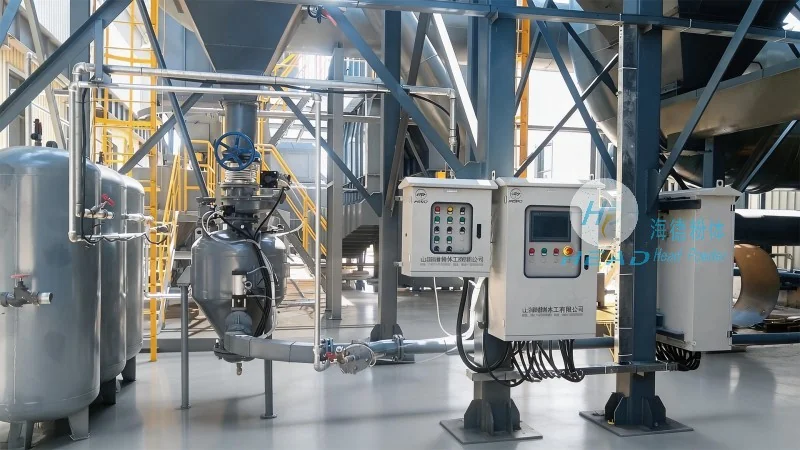
In terms of application scenarios, these conveying lines are essential in sectors where bulk powder handling is a core operation. For example, in the cement industry, they facilitate the movement of raw materials like limestone and clinker, as well as the finished cement product to storage or shipping facilities. In the construction industry, they ensure a steady supply of cement to concrete mixing plants, which is critical for maintaining production schedules and project timelines. Other applications include the food processing industry for handling powdered ingredients, or in pharmaceutical manufacturing for transporting fine powders with strict purity requirements.
The adaptability of these systems also makes them suitable for custom solutions tailored to specific client needs. Whether it's a new construction project or an upgrade to an existing facility, the conveying line can be designed to meet unique operational requirements, such as varying material types, distances, or environmental conditions. This flexibility, combined with the technical advantages, makes cement powder material conveying lines a preferred choice for industries relying on efficient bulk material transport.
Company Profile and Service Commitment
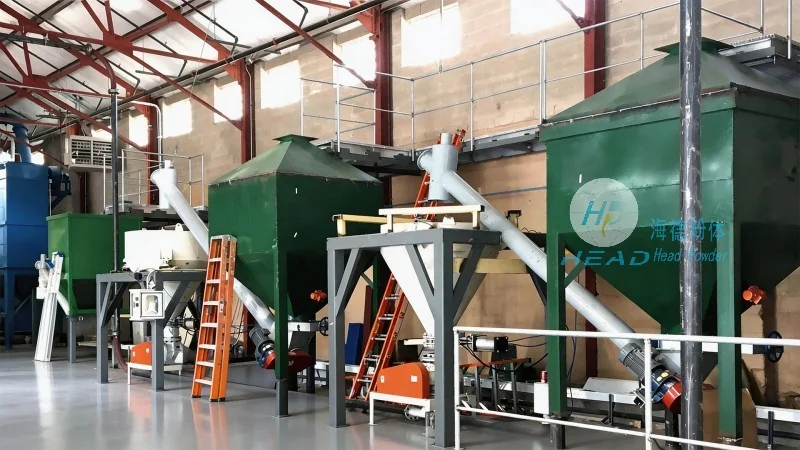
Shandong HeadPowder Engineering Co., Ltd., commonly known as headpowder, is a leading provider of specialized engineering solutions for material handling systems. With a strong presence in China, particularly in Shandong, the company has established itself as a trusted partner in the design, manufacturing, and installation of cement powder material conveying lines. The company's expertise lies in understanding the unique challenges of bulk powder transport and developing customized solutions that address specific client needs.
HeadPowder's commitment to quality and innovation is reflected in their use of advanced technology and rigorous testing protocols. Each conveying system is engineered to meet industry standards and client specifications, ensuring reliability and performance. The company also provides comprehensive after-sales support, including maintenance services and technical assistance, to ensure the long-term functionality of the equipment. By focusing on client satisfaction and technical excellence, HeadPowder has built a reputation for delivering high-quality material handling solutions that enhance operational efficiency and safety.




