HeadPowder, as a professional manufacturer in the field of material handling, specializes in providing advanced pneumatic conveying solutions tailored for the pigment industry. The company, Shandong HeadPowder Engineering Co., Ltd., is headquartered in Shandong, China, and has been committed to delivering efficient and reliable systems that meet the diverse needs of clients in the pigment sector. This article aims to provide a comprehensive overview of the classification and practical applications of pneumatic conveying systems specifically designed for pigments, highlighting the technical aspects and operational benefits.
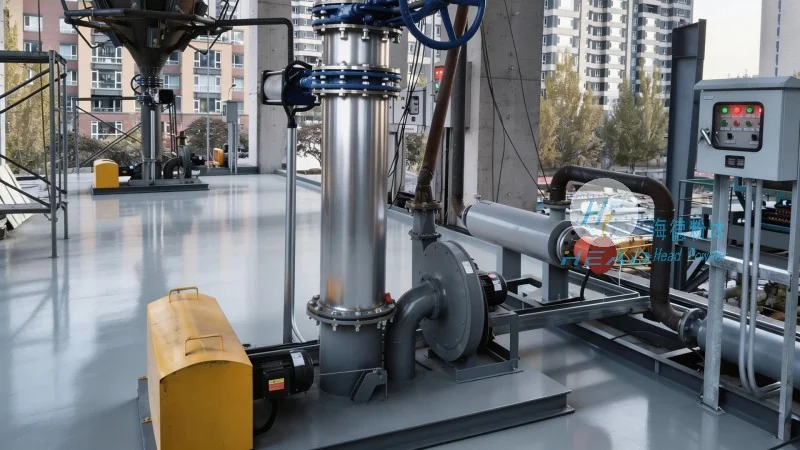
Classification of Pneumatic Conveying Systems for Pigments
Pneumatic conveying systems for pigments can be broadly categorized into two main types based on the operating principle and the density of the conveying medium: dilute-phase and dense-phase systems. Each type offers distinct advantages and is suitable for different operational requirements.
Dilute-Phase Pneumatic Conveying is characterized by the material being suspended in a high-velocity air stream, typically at velocities above 20 m/s. This method is ideal for short to medium-distance conveying of fine pigments, as it allows for efficient transport with minimal pressure drop. The system operates under low to moderate pressure, making it suitable for applications where the material is relatively free-flowing and non-abrasive. The key advantage of dilute-phase systems is their ability to handle high volumes of material with relatively low energy consumption, which is crucial for large-scale pigment production facilities.
Dense-Phase Pneumatic Conveying, on the other hand, involves the material being conveyed in a dense, slurry-like state, often at velocities below 10 m/s. This method is particularly effective for conveying pigments over longer distances or when the material is more abrasive or has a higher bulk density. The system operates under higher pressure, which helps to maintain the material's integrity and prevents degradation during transport. Dense-phase systems are commonly used for applications requiring precise control over the material flow, such as in the production of high-quality pigments where uniformity is critical.
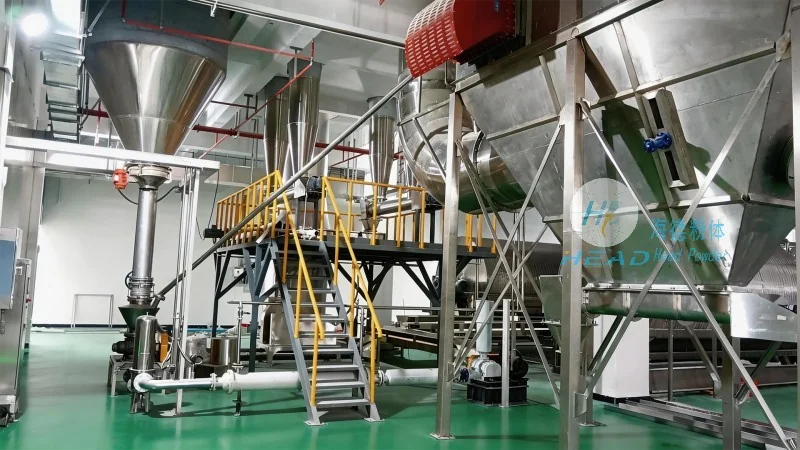
Additionally, there are specialized variants of pneumatic conveying systems tailored for specific pigment characteristics. For instance, horizontal and vertical conveying systems are designed to handle pigments with varying particle sizes and flow properties. Horizontal systems are suitable for short horizontal distances, while vertical systems are used for vertical or inclined transport, often in multi-level production facilities. Another category includes vacuum and pressure conveying systems, where vacuum systems are used for low-pressure, low-volume applications, and pressure systems are employed for high-pressure, high-volume transport. These variations ensure that the conveying system can be optimized to match the specific requirements of the pigment being handled.
Key Applications and Operational Benefits
The application of pneumatic conveying systems for pigments spans across various industries, including coatings, inks, plastics, and cosmetics. The primary benefits of using these systems include improved process efficiency, reduced material handling costs, and enhanced product quality. By eliminating the need for manual handling or mechanical conveyors, the risk of contamination and material degradation is significantly minimized. This is particularly important for pigments, as even minor impurities can affect the final color and performance of the end product.
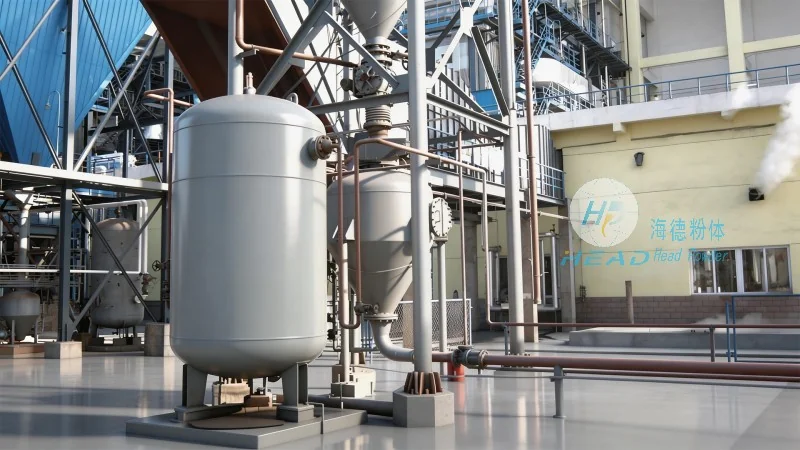
In the coatings industry, for example, pneumatic conveying systems are used to transport pigments from storage silos to mixing and grinding equipment. The system ensures a consistent and controlled flow of pigment, which is essential for achieving uniform color and texture in the final coating. Similarly, in the ink manufacturing sector, these systems facilitate the precise dosing of pigments into the production line, ensuring that the ink formulations meet the strict quality standards required by the printing industry.
For the plastics industry, pneumatic conveying systems are used to handle pigments that are often abrasive and have high bulk density. The dense-phase conveying method is particularly effective in this case, as it minimizes material wear and reduces the risk of equipment damage. The system also allows for the integration of pigment feeding directly into the extrusion process, improving the overall production efficiency and reducing downtime. In the cosmetics industry, the use of pneumatic conveying systems ensures that pigments are handled hygienically and in a controlled environment, which is crucial for maintaining the quality and safety of cosmetic products.
Furthermore, the operational benefits of pneumatic conveying systems extend to energy efficiency and environmental compliance. By using compressed air as the conveying medium, the systems can reduce the need for mechanical components, such as conveyor belts or buckets, which are prone to wear and maintenance. This not only lowers the operational costs but also reduces the environmental impact by minimizing waste and energy consumption. The systems are also designed to be compact and space-efficient, making them suitable for installations in existing production facilities without significant modifications.




