When it comes to transporting salt in industrial settings, air conveying systems offer an efficient alternative to traditional methods like belt conveyors or bucket elevators. However, the choice between positive pressure and negative pressure systems can significantly impact operational efficiency, cost, and equipment longevity. This article explores the key differences between these two air conveying approaches and provides guidance on how to select the most suitable option for salt handling applications.
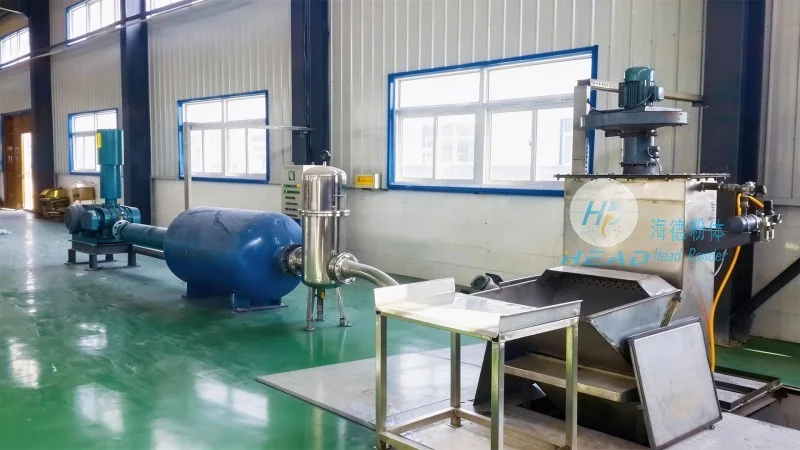
Positive Pressure Air Conveying
Positive pressure systems operate by blowing air into the conveying line, creating a pressure higher than the ambient environment. This method pushes the material through the pipeline. In the context of salt processing, positive pressure conveyors are often preferred for applications involving dry, free-flowing materials like table salt or rock salt. The high-pressure air ensures that the salt particles are fully entrained and transported without clogging or degradation. For instance, in a salt production facility, a positive pressure system might be used to move bulk salt from storage silos to processing equipment. The continuous airflow maintains the material's flowability, reducing the risk of blockages that could lead to downtime or equipment damage.
Negative Pressure Air Conveying
Negative pressure systems, on the other hand, create a vacuum inside the conveying line, drawing material into the system from the source. This approach is typically used for materials that are more cohesive or have higher moisture content, as the vacuum helps to pull the particles along. In salt handling, negative pressure may be considered for applications involving wet or damp salt, or when the material is prone to sticking to surfaces. However, for dry salt, negative pressure systems can be less effective due to the risk of material buildup on the suction side, which may require more frequent maintenance. The vacuum also increases the energy consumption compared to positive pressure systems, as more power is needed to maintain the low pressure.
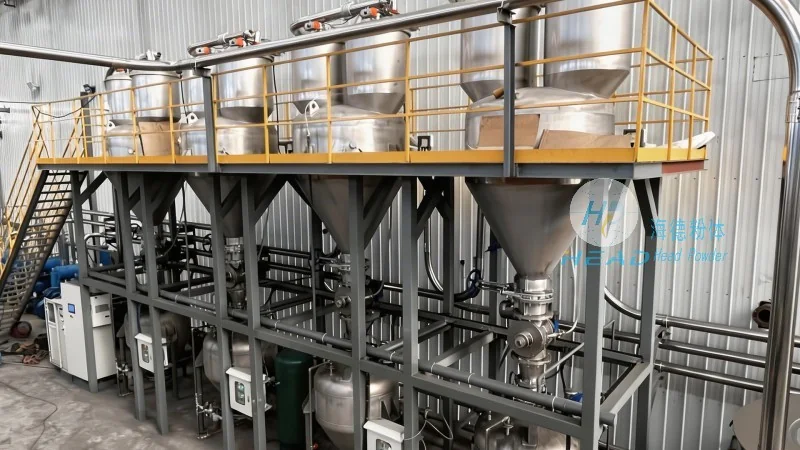
Comparing Positive and Negative Pressure Systems for Salt
When deciding between positive and negative pressure air conveying for salt, several factors must be considered. The primary difference lies in the method of material transport: positive pressure pushes material through the line, while negative pressure pulls it in. For dry salt, positive pressure is generally more efficient and reliable, as it minimizes the risk of clogging and ensures consistent flow rates. Negative pressure, while useful for handling wet or sticky materials, may require additional equipment like cyclones or filters to prevent material deposition on the suction side. From an operational perspective, positive pressure systems are often easier to maintain, as they do not rely on complex vacuum pumps that can be prone to failure. Additionally, positive pressure conveyors are better suited for long-distance transport, as the pressure can be maintained more effectively over longer pipelines.
Practical Considerations for Salt Air Conveying
In real-world salt processing plants, the choice of air conveying system depends on the specific characteristics of the salt being handled. For example, if the salt is a fine, dry granule (like table salt), a positive pressure system with a high-velocity air stream is ideal. The system should be designed with appropriate air velocities to prevent particle segregation or loss of material. Conversely, if the salt is a larger, coarser rock salt with some moisture, a negative pressure system might be more appropriate, as the vacuum can help to pull the material without causing excessive wear on the equipment. It is also important to consider the scale of the operation: small-scale facilities may benefit from a simple positive pressure system, while large-scale industrial plants might require more complex systems with multiple stages of conveying and separation.
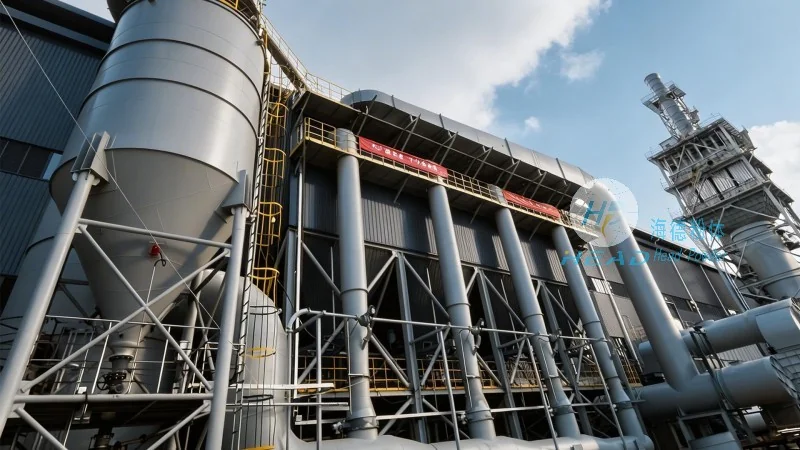
HeadPowder's Expertise in Salt Air Conveying Solutions
Shandong HeadPowder Engineering Co., Ltd. specializes in providing customized air conveying solutions tailored to the unique needs of salt processing industries. With years of experience in the field, the company understands the challenges associated with handling salt, including its abrasive nature and potential for clogging. HeadPowder engineers work closely with clients to assess their specific requirements, such as the type of salt (rock salt, table salt, or industrial salt), the distance of transport, and the desired flow rate. The company offers a range of positive and negative pressure systems, as well as hybrid solutions that combine the best features of both approaches. For instance, a positive pressure system might be used for the initial transport of dry salt from a silo, followed by a negative pressure system for handling any residual material or waste. This integrated approach ensures maximum efficiency and minimal downtime. HeadPowder also provides maintenance and support services to ensure that the air conveying systems operate at peak performance, reducing the risk of equipment failure and increasing overall productivity.
Conclusion: Choosing the Right Air Conveying System for Salt
Ultimately, the choice between positive and negative pressure air conveying for salt depends on a combination of factors, including the material's properties, the distance of transport, and the operational requirements of the facility. Positive pressure systems are generally more suitable for dry, free-flowing salt, offering high efficiency and reliability. Negative pressure systems may be better for wet or sticky materials, but come with higher maintenance and energy costs. By carefully evaluating these factors and consulting with experts like Shandong HeadPowder Engineering Co., Ltd., salt processing facilities can select the most appropriate air conveying system to optimize their operations. The right choice can lead to improved productivity, reduced maintenance costs, and enhanced safety in the workplace.




