At Shandong HeadPowder Engineering Co., Ltd., we specialize in the design, manufacturing, and application of advanced powder conveying equipment, including the sponge sand powder conveying machine. This article provides a detailed overview of the operation process and working principle of this essential industrial device, highlighting its efficiency, reliability, and versatility in handling sponge sand and other fine powders.
Introduction to Sponge Sand Powder Conveying Machine
The sponge sand powder conveying machine is a critical component in various industrial applications, particularly in foundries and casting processes where precise and efficient material handling is paramount. Developed by Shandong HeadPowder Engineering Co., Ltd., this equipment is engineered to handle the unique characteristics of sponge sand, a lightweight, porous material commonly used in sand casting due to its excellent thermal properties and low density. The machine's design addresses the challenges associated with conveying fine powders, such as dust generation, material segregation, and system efficiency, ensuring optimal performance in production lines.
Key Components and Structure
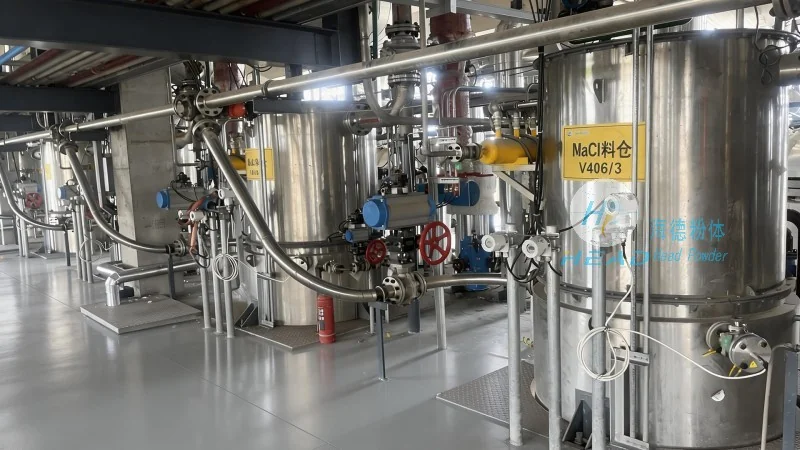
The sponge sand powder conveying machine consists of several key components that work in harmony to achieve effective material transport. The main parts include the hopper, feeding mechanism, conveying tube, and control system. The hopper is designed to store and feed the sponge sand into the system, with a sloped or vibratory feeding mechanism to ensure consistent material flow. The conveying tube, often made of flexible or rigid materials depending on the application, is equipped with a positive displacement or pneumatic system to move the powder through the pipeline. The control system, integrated with sensors and automation technology, monitors and regulates the conveying process, ensuring stable operation and preventing issues like blockages or overloading.
Working Principle of the Conveying Process
The operation of the sponge sand powder conveying machine follows a systematic process that begins with material intake and ends with precise discharge. The process starts when sponge sand is loaded into the hopper. The feeding mechanism then activates, moving the material into the conveying tube. Depending on the system design, the conveying can be achieved through positive displacement, where a rotating screw or piston pushes the powder forward, or through pneumatic methods, where compressed air creates a pressure differential to transport the material. The conveying tube is typically equipped with bends and elbows to navigate the path from the hopper to the discharge point, ensuring the material reaches the desired location without loss or degradation.
Operation Process Step-by-Step
1. **Material Loading**: Sponge sand is deposited into the hopper, which is designed to accommodate the bulk material. The hopper's dimensions and shape are optimized to minimize material segregation and ensure a uniform feed.
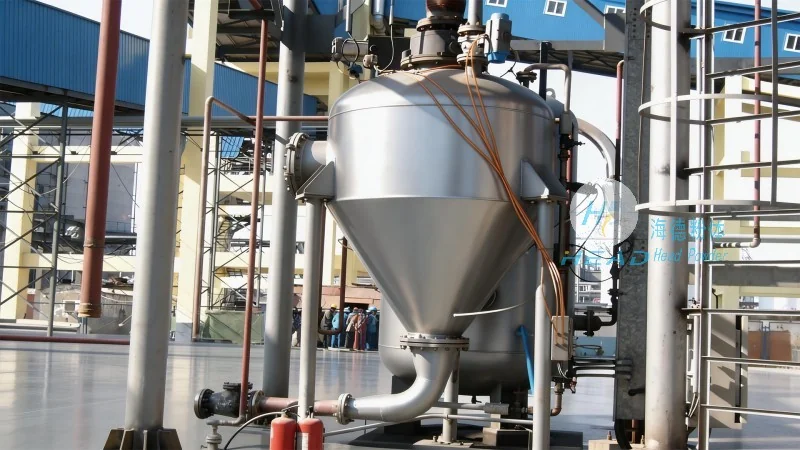
2. **Feeding Mechanism Activation**: The feeding mechanism, such as a screw feeder or vibratory feeder, starts operating. This component ensures a steady flow of sponge sand into the conveying tube, preventing surges or interruptions that could affect the system's performance.
3. **Conveying Initiation**: Once the material is fed into the tube, the conveying system activates. In positive displacement systems, the screw or piston rotates, pushing the powder forward. In pneumatic systems, compressed air is introduced, creating a pressure gradient that propels the material through the pipeline.
4. **Transport Through the Conveying Tube**: The sponge sand travels through the conveying tube, which may include bends, elbows, or other components to direct the material to the discharge point. The tube's material and design are selected to minimize friction and prevent material buildup, ensuring smooth and continuous transport.
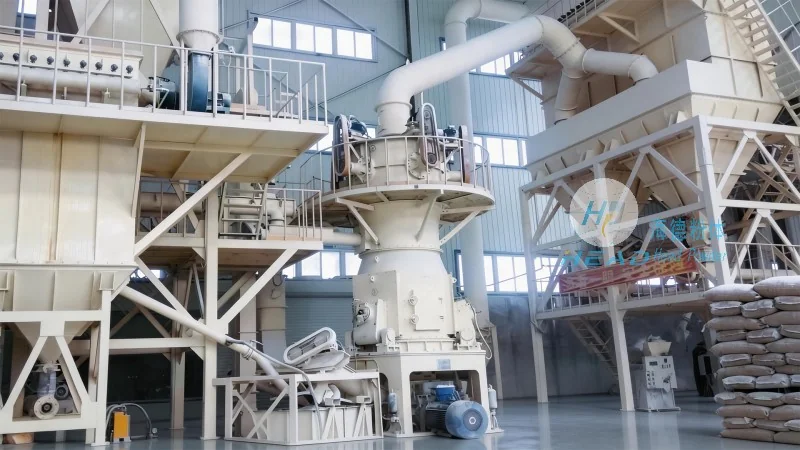
5. **Discharge and Dosing**: At the end of the conveying path, the material is discharged into a storage bin or directly into the next production step. The control system may include dosing mechanisms to regulate the amount of sponge sand delivered, ensuring precise control over the casting process.
Advantages and Applications
The sponge sand powder conveying machine offers several advantages that make it an ideal choice for industrial applications. Its ability to handle fine powders like sponge sand efficiently reduces material waste and improves production throughput. The machine's design minimizes dust generation, enhancing workplace safety and compliance with environmental regulations. Additionally, the automated control system ensures consistent performance, reducing the need for manual intervention and improving overall operational reliability.
Applications of the sponge sand powder conveying machine are widespread in the foundry industry, where it is used to transport sponge sand for sand casting processes. It is also utilized in other industries that require the handling of lightweight, porous powders, such as ceramics, pharmaceuticals, and food processing. The machine's versatility and adaptability make it suitable for various production scales, from small-scale operations to large industrial facilities.
Maintenance and Operational Considerations
To ensure the long-term performance and reliability of the sponge sand powder conveying machine, regular maintenance is essential. This includes inspecting and cleaning the hopper and conveying tube to prevent material buildup and blockages. The feeding mechanism and conveying components should be checked for wear and tear, with replacement of worn parts as needed. The control system and sensors should be calibrated regularly to maintain accurate monitoring and regulation of the conveying process. Proper maintenance not only extends the lifespan of the equipment but also ensures consistent material handling and production quality.




