Shandong HeadPowder Engineering Co., Ltd., a leading manufacturer in the field of powder handling technology, specializes in providing advanced solutions for the transportation and processing of lithium iron carbonate powder. This article delves into the operation process and working principle of their specialized equipment, designed to meet the stringent requirements of modern lithium battery production lines.
Introduction to Lithium Iron Carbonate Powder Handling Equipment
Lithium iron carbonate is a critical raw material in the production of lithium-ion batteries, and efficient handling of this fine powder is essential to ensure product quality and operational efficiency. The equipment developed by HeadPowder integrates advanced engineering principles to address the unique challenges associated with handling such powders, including dust control, precise flow control, and reliable material transport. By understanding the operation process and working principle of this equipment, users can optimize their production workflows and enhance overall productivity.
Key Components and Their Functions
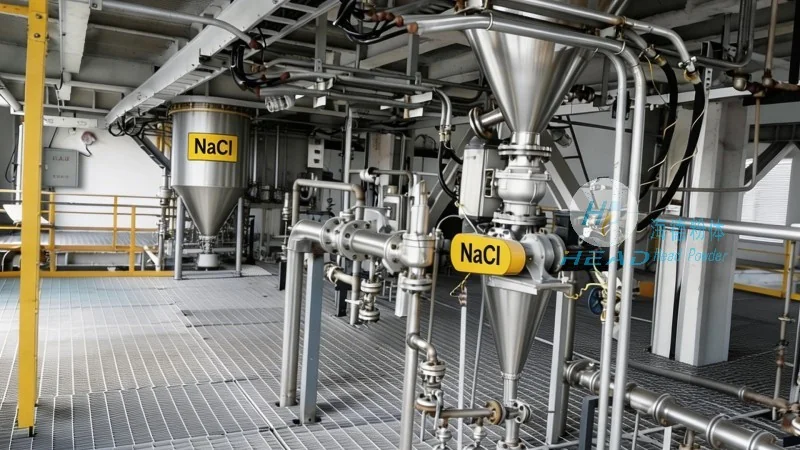
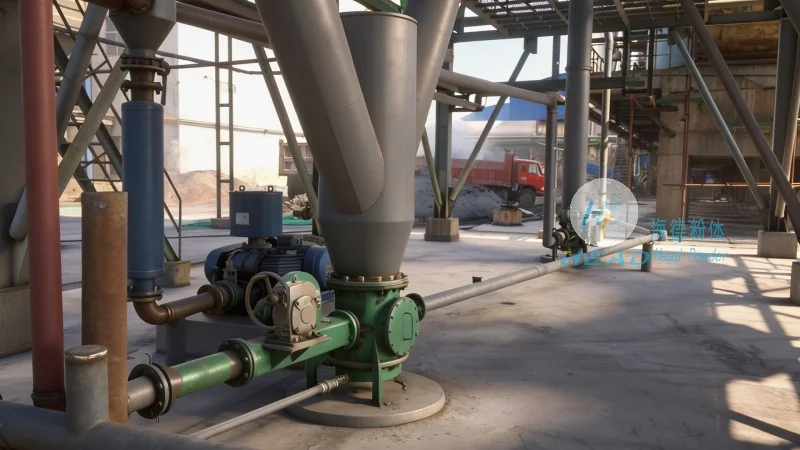
The lithium iron carbonate powder handling equipment consists of several key components, each playing a vital role in the overall system. These include a hopper for material storage, a feeding mechanism to control the flow rate, a conveyor system for transporting the powder, and a control panel for monitoring and adjusting operations. The hopper is typically made of high-quality materials to prevent material degradation and ensure durability. The feeding mechanism, often a rotary valve or a screw feeder, regulates the amount of powder released into the conveyor system, ensuring a consistent and controlled flow. The conveyor system, which may include pneumatic or mechanical conveyors, transports the powder from the hopper to the processing or packaging areas. The control panel integrates sensors and automation systems to monitor parameters such as pressure, flow rate, and temperature, allowing for real-time adjustments to maintain optimal performance.
Operation Process: Step-by-Step Guide
The operation process of the lithium iron carbonate powder handling equipment begins with the preparation of the system. First, the hopper is filled with the required amount of lithium iron carbonate powder. The system is then started by activating the main power supply and the control panel. The feeding mechanism is activated to release the powder into the conveyor system at a pre-set rate. The conveyor system then transports the powder to the next stage of the production line. During operation, the control panel continuously monitors the system parameters. If any deviations are detected, such as an abnormal flow rate or pressure drop, the system will automatically adjust the feeding rate or alert the operator for manual intervention. The process continues until the hopper is empty or the production demand is met. At the end of the operation, the system is shut down by deactivating the power supply and cleaning the equipment to prevent material accumulation and contamination.
Working Principle: How the Equipment Functions
The working principle of the lithium iron carbonate powder handling equipment is based on the principles of material flow and mechanical transport. The system operates by converting the stored potential energy of the powder in the hopper into kinetic energy through the feeding mechanism. The rotary valve or screw feeder rotates at a controlled speed, pushing the powder into the conveyor system. The conveyor system, which may use air pressure or mechanical force, moves the powder along the designated path. The control panel uses sensors to measure the flow rate and pressure, and adjusts the feeding mechanism accordingly to maintain a stable flow. This closed-loop control system ensures that the powder is transported efficiently and without blockages or spills. The equipment also incorporates dust control measures, such as air filtration systems, to minimize the release of fine particles into the environment and protect the health of operators. By combining these elements, the equipment provides a reliable and efficient solution for handling lithium iron carbonate powder, meeting the demands of high-volume production environments.
Benefits and Applications
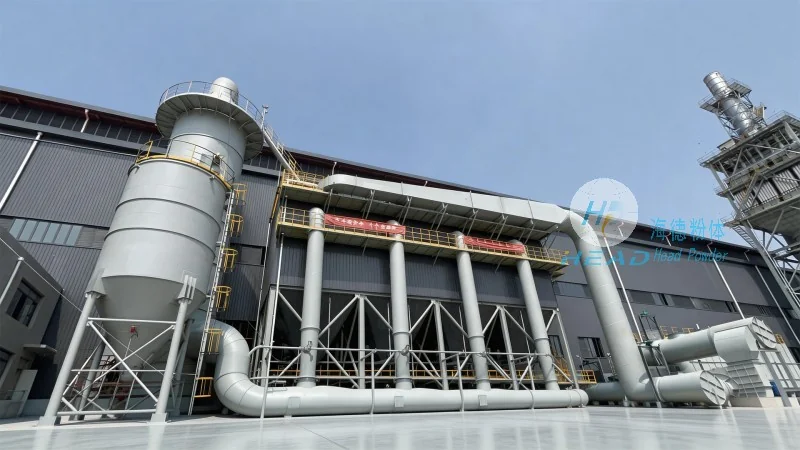
The lithium iron carbonate powder handling equipment developed by Shandong HeadPowder Engineering Co., Ltd. offers several benefits that make it an ideal choice for lithium battery manufacturers. The equipment ensures precise control over the powder flow, which is crucial for maintaining the quality of the final battery products. The dust control features help to create a safer working environment and comply with environmental regulations. The automation and monitoring capabilities reduce the need for manual intervention, leading to increased operational efficiency and reduced labor costs. The equipment is also designed to be durable and low-maintenance, with components that are resistant to corrosion and wear from the fine powder. These features make the equipment suitable for a wide range of applications, including the production of lithium-ion batteries for electric vehicles, consumer electronics, and energy storage systems. By investing in this equipment, manufacturers can enhance their production capabilities and stay competitive in the rapidly evolving battery industry.
Conclusion
In conclusion, the operation process and working principle of the lithium iron carbonate powder handling equipment from Shandong HeadPowder Engineering Co., Ltd. represent a sophisticated solution for the efficient and safe handling of lithium iron carbonate powder. By integrating advanced components and control systems, the equipment ensures consistent performance, minimal downtime, and compliance with industry standards. The company's commitment to quality and innovation has made them a trusted partner for manufacturers seeking reliable powder handling solutions. As the demand for lithium-ion batteries continues to grow, the importance of efficient powder handling equipment will only increase, making this technology a critical component of modern battery production lines.




