For industrial applications involving ferrous oxide powder, efficient and reliable handling is crucial. The operation process and working principle of specialized equipment designed for this purpose are essential for maintaining productivity and safety in material processing. This article provides a detailed overview of the equipment's functionality, focusing on the key components and operational steps involved in transporting ferrous oxide powder.
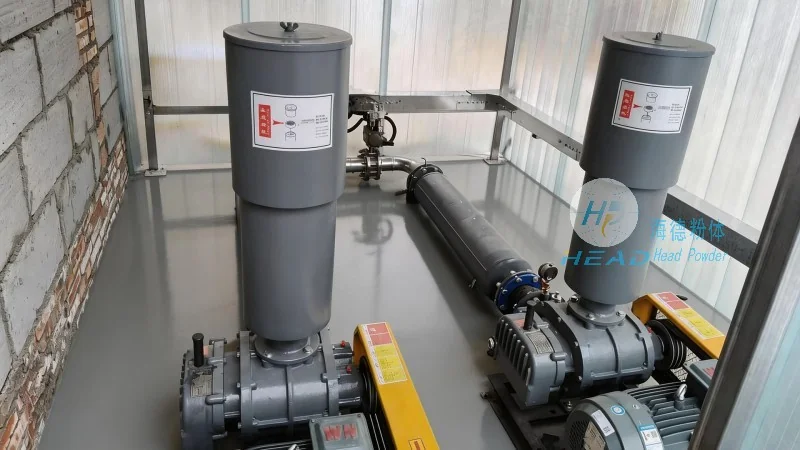
Overview of Ferrous Oxide Powder Handling Equipment
Ferrous oxide, commonly known as iron oxide, is a fine powder used in various industries such as pigments, ceramics, and chemical manufacturing. Handling this material requires specialized equipment to prevent dust accumulation, ensure consistent flow, and maintain environmental safety. The equipment typically includes components like feeders, conveyors, and control systems, all working in tandem to achieve smooth material transfer.
Key Components and Their Functions
The core components of ferrous oxide powder handling equipment include the hopper, which stores the powder; a rotary valve or feeder that controls the flow rate; a conveyor system (e.g., pneumatic or mechanical) that transports the powder; and a dust collection system to manage airborne particles. Each component plays a critical role in ensuring the efficient and safe operation of the entire system.
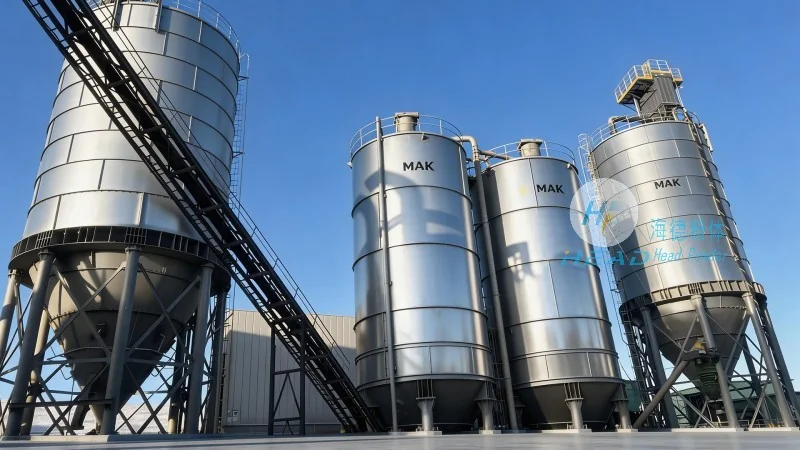
Operation Process: Step-by-Step Explanation
The operation process of the equipment begins with the loading of ferrous oxide powder into the hopper. The rotary valve or feeder then regulates the discharge rate, controlling the amount of powder entering the conveyor. The conveyor transports the powder to the desired destination, such as a storage silo or processing unit. Throughout this process, the control system monitors parameters like flow rate, pressure, and temperature to ensure optimal performance. The dust collection system continuously captures any airborne particles, preventing contamination and maintaining a clean working environment.
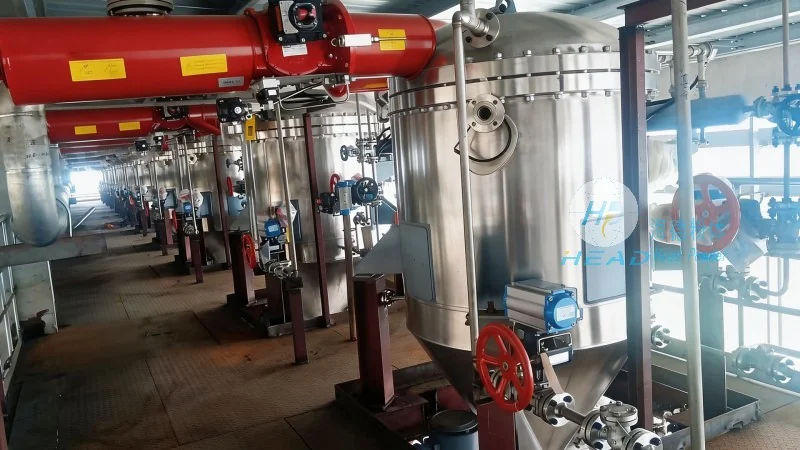
Working Principle: How It Works
The working principle of ferrous oxide powder handling equipment is based on the principles of material flow and air movement. In pneumatic conveying systems, for example, compressed air is used to create a flow of powder through pipes. The pressure differential between the hopper and the destination creates the force needed to move the powder. Mechanical conveyors rely on the rotation of screws or belts to push the powder along the path. Both systems are designed to handle the specific characteristics of ferrous oxide powder, such as its fine particle size and tendency to agglomerate.
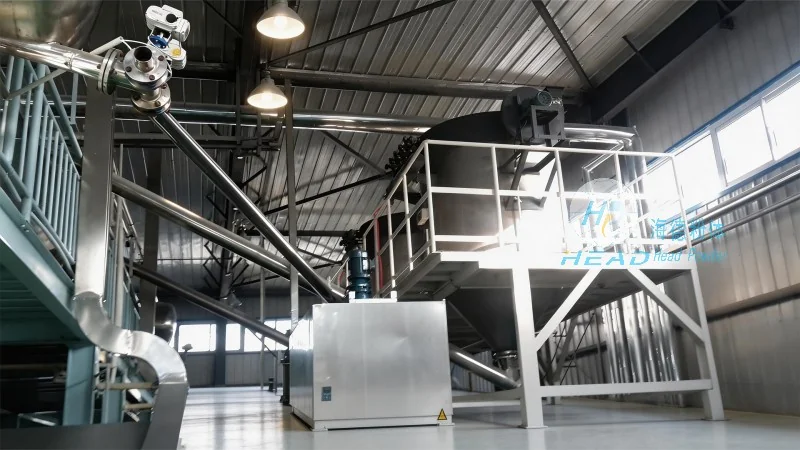
About Shandong HeadPowder Engineering Co., Ltd.
Shandong HeadPowder Engineering Co., Ltd., operating under the brand name headpowder, is a leading manufacturer of specialized powder handling equipment. With a focus on innovation and quality, the company provides tailored solutions for industries requiring efficient and reliable handling of ferrous oxide and other fine powders. Headpowder's products are designed to meet the unique challenges of material processing, ensuring high performance and durability in demanding environments.
Conclusion
The operation process and working principle of ferrous oxide powder handling equipment are critical for optimizing industrial processes. By understanding the key components and operational steps, users can ensure the efficient and safe handling of this important material. Companies like Shandong HeadPowder Engineering Co., Ltd. play a vital role in providing advanced solutions that enhance productivity and safety in powder handling applications.




