At Shandong HeadPowder Engineering Co., Ltd., we specialize in the design and manufacturing of efficient and reliable ferrous sulfate powder conveying systems. Our ferrous sulfate powder conveying line is engineered to handle the transportation of ferrous sulfate powder with precision and efficiency, ensuring minimal loss and maximum productivity. This article will delve into the operation process and working principle of our ferrous sulfate powder conveying line, highlighting its key components and operational mechanisms.
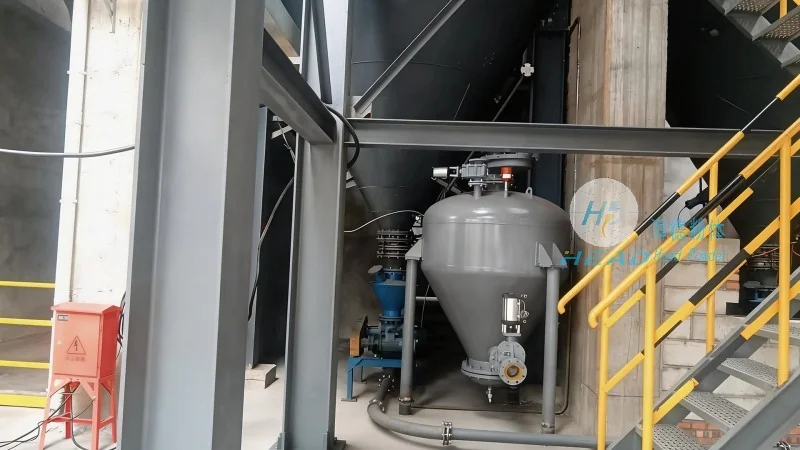
Key Components of the Ferrous Sulfate Powder Conveying Line
The ferrous sulfate powder conveying line consists of several critical components that work in tandem to ensure smooth and continuous material handling. The primary components include a hopper for material storage, a feeder to control the flow rate, a conveyor system (such as a screw conveyor or pneumatic conveyor) for transporting the powder, and a discharge unit for delivering the material to the next stage of processing. Each component is carefully selected and integrated to optimize the conveying process for ferrous sulfate powder, which is known for its fine particle size and potential for dust generation.
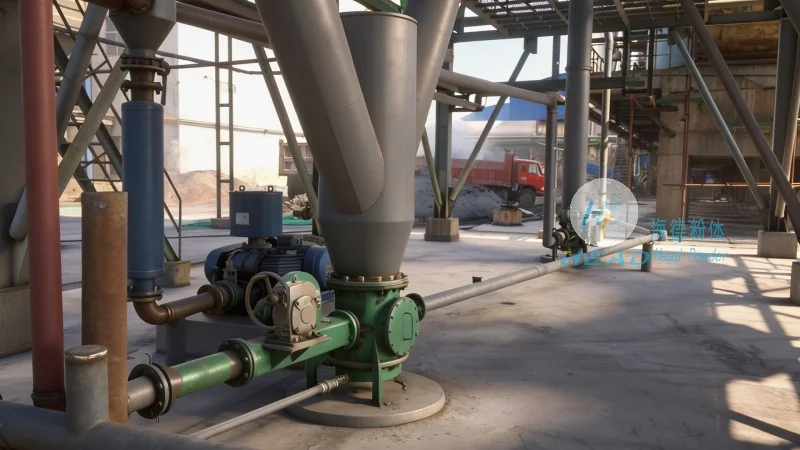
Operation Process of the Ferrous Sulfate Powder Conveying Line
The operation of the ferrous sulfate powder conveying line begins with the loading of ferrous sulfate powder into the hopper. The hopper is designed with a sloped bottom to facilitate the flow of powder into the feeder. The feeder, typically a rotary valve or a vibratory feeder, regulates the flow rate of the powder from the hopper to the conveyor system. This controlled flow ensures that the conveyor operates at an optimal speed, preventing overloading and maintaining consistent material transport. The conveyor system then transports the ferrous sulfate powder through a series of pipes or a screw mechanism, depending on the system design. The discharge unit at the end of the conveyor collects the powder and directs it to the next processing stage, such as packaging or further chemical processing. Throughout the operation, the system is equipped with safety features and monitoring devices to ensure proper functioning and prevent accidents.
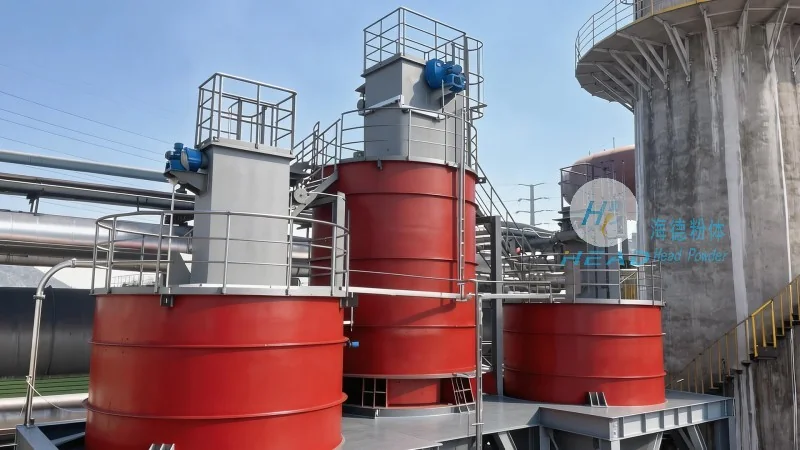
Working Principle of the Ferrous Sulfate Powder Conveying Line
The working principle of the ferrous sulfate powder conveying line is based on the principles of mechanical and pneumatic transport. The system utilizes a combination of gravity, pressure, and mechanical force to move the powder from the hopper to the discharge point. In a mechanical conveyor system, the powder is moved by rotating screws or belts that push the material forward. The speed and torque of the conveyor are adjusted based on the particle size and density of the ferrous sulfate powder, ensuring efficient transport without causing excessive wear or degradation of the material. In a pneumatic conveying system, compressed air is used to create a flow of air and powder, transporting the material through a network of pipes. This method is particularly effective for handling fine powders like ferrous sulfate, as it minimizes dust generation and provides a clean conveying process. The system also incorporates dust collection and filtration systems to maintain air quality and comply with environmental regulations.
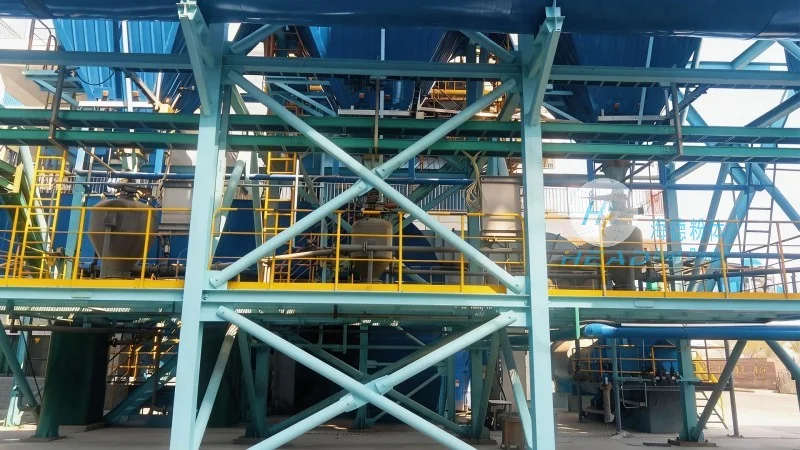
Advantages of Our Ferrous Sulfate Powder Conveying Line
Our ferrous sulfate powder conveying line offers several advantages that make it an ideal choice for industrial applications. The system is designed for high efficiency, with minimal material loss and consistent flow rates. It is also highly customizable, allowing us to tailor the system to meet the specific requirements of our clients, including different conveyor capacities, material handling speeds, and integration with existing processing equipment. The system is built with durable materials that can withstand the corrosive nature of ferrous sulfate and the abrasive effects of fine powder particles, ensuring long-term reliability and low maintenance costs. Additionally, the system is equipped with advanced monitoring and control systems that allow for real-time tracking of the conveying process, enabling quick adjustments and troubleshooting.




