

Working Principle and Features of Ammonium Sulfate Pneumatic Conveying Equipment
Ammonium sulfate is a widely used industrial chemical, and its efficient handling and transportation are crucial for various industrial processes. Pneumatic conveying systems, particularly those designed for ammonium sulfate, offer a reliable and effective solution for material transport. This article explores the working principle and key features of such equipment, highlighting its advantages in industrial applications.
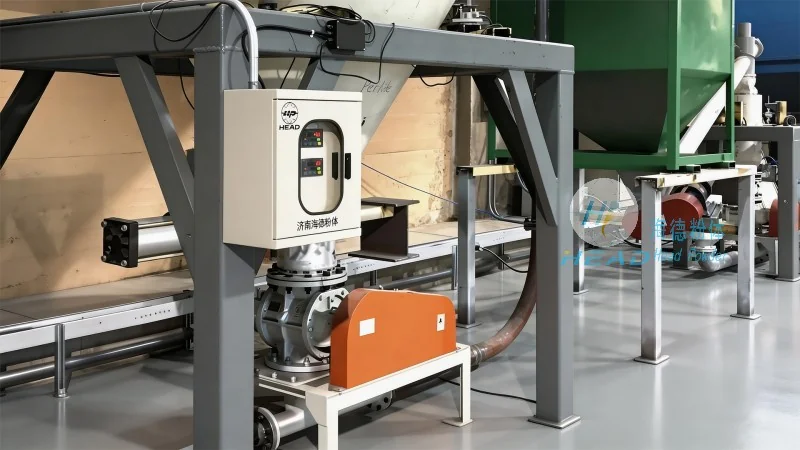
Working Principle of Ammonium Sulfate Pneumatic Conveying Equipment
The core of ammonium sulfate pneumatic conveying equipment lies in the use of air or gas to transport the material. The system typically consists of a hopper, a blower or compressor, a pipeline network, and a discharge point. The process begins with the material being fed into the hopper. The blower then generates a flow of air, which draws the ammonium sulfate particles into the pipeline. As the air moves through the system, it carries the material along, ensuring it reaches the desired destination. The design of the system, including the air velocity and pipeline configuration, is critical to maintaining the material's flow and preventing blockages.
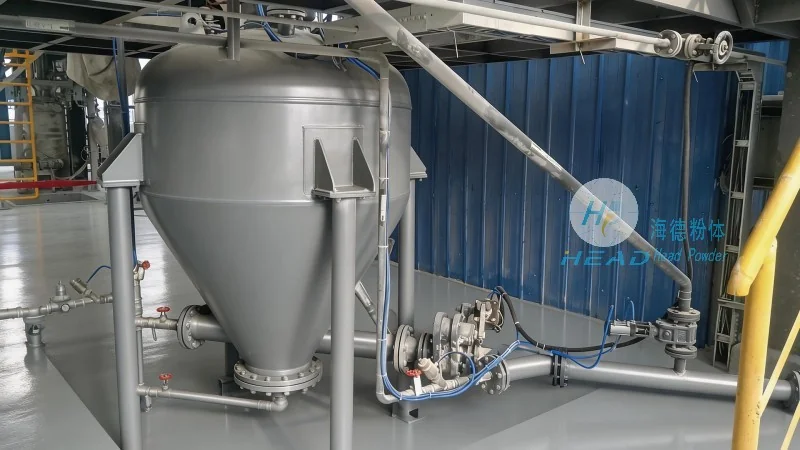
Key Features of Ammonium Sulfate Pneumatic Conveying Equipment
Several notable features distinguish ammonium sulfate pneumatic conveying equipment. Firstly, it offers a dust-free operation, which is essential for maintaining a clean and safe working environment. The enclosed system prevents the release of fine particles into the air, reducing health risks and environmental contamination. Secondly, the equipment provides high efficiency in material transport, with minimal loss and optimal throughput. This is achieved through the precise control of air pressure and flow rates, ensuring consistent performance. Additionally, the system is versatile and can handle various particle sizes and moisture contents of ammonium sulfate, making it suitable for different industrial needs. Another important feature is its low maintenance requirements. The design minimizes moving parts and uses durable materials, reducing the need for frequent repairs and extending the equipment's lifespan.
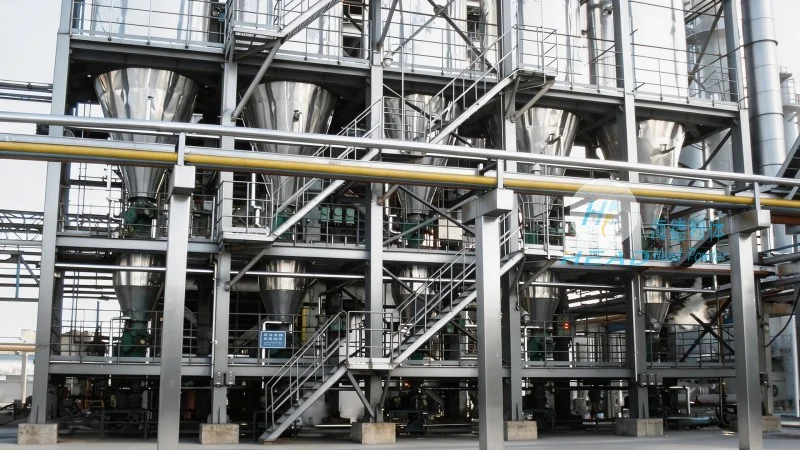
Advantages in Industrial Applications
The application of ammonium sulfate pneumatic conveying equipment brings several benefits to industrial operations. For manufacturers, it enhances productivity by streamlining the material handling process. The automated system reduces labor costs and improves operational efficiency. In terms of safety, the enclosed design minimizes the risk of dust explosions and respiratory issues, adhering to industrial safety standards. Furthermore, the system's flexibility allows for easy integration into existing production lines, adapting to changes in production volume or material specifications. This adaptability is particularly valuable in industries where material requirements vary, such as chemical manufacturing and agricultural processing.
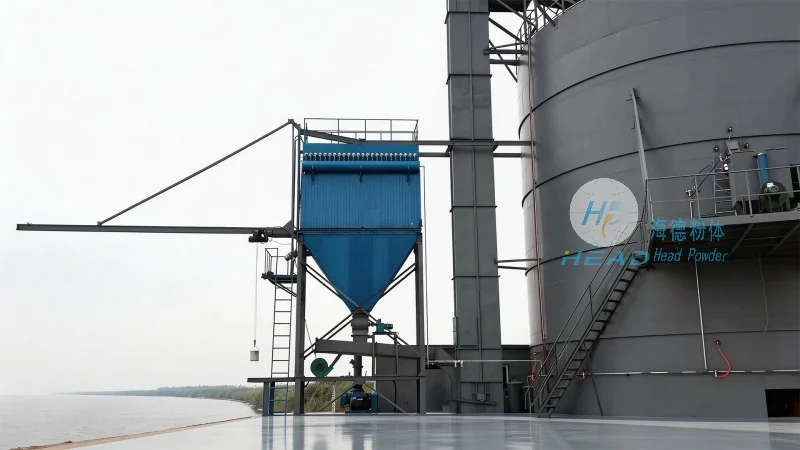
Company Information: Shandong HeadPowder Engineering Co., Ltd.
HeadPowder, as a leading manufacturer in the field, specializes in the design and production of pneumatic conveying equipment. With a strong commitment to quality and innovation, the company has established itself as a trusted partner for industrial material handling solutions. Based in Shandong, China, HeadPowder leverages advanced technology and extensive experience to deliver reliable and efficient equipment tailored to the needs of its clients. The company's products, including those for ammonium sulfate, are engineered to meet international standards, ensuring durability and performance in demanding industrial environments.