

Working Principle and Features of Corundum Pneumatic Conveying Equipment
Corundum, a high-purity form of aluminum oxide (Al₂O₃), is a critical raw material in various industrial sectors due to its exceptional properties, including high hardness, thermal stability, and chemical resistance. The efficient and reliable transport of corundum powder is essential for maintaining product quality and optimizing production processes. Pneumatic conveying systems have emerged as a preferred method for handling corundum, offering advantages such as minimal dust generation, precise control over material flow, and the ability to handle abrasive materials without significant wear on equipment. This article delves into the working principle and key features of corundum pneumatic conveying equipment, providing insights into how these systems enhance industrial operations and contribute to overall efficiency.
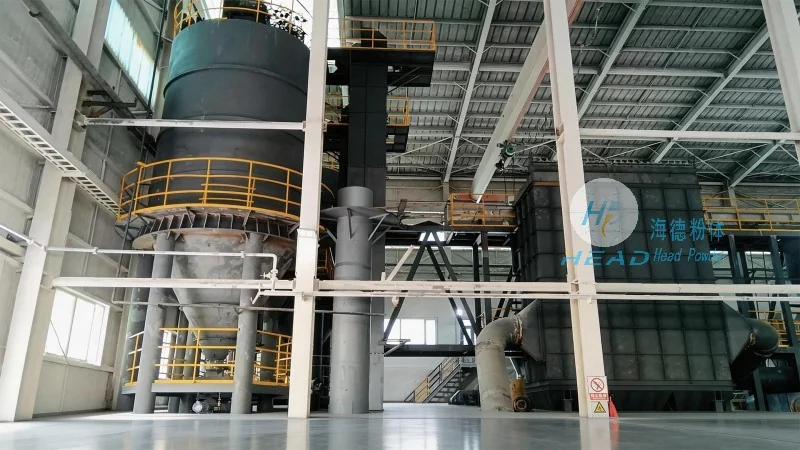
Working Principle of Corundum Pneumatic Conveying Systems
The working principle of corundum pneumatic conveying equipment involves the use of compressed air to transport solid particles through a closed pipeline system. The process begins with corundum powder being stored in a hopper, which is equipped with a rotary valve to control the material flow into the conveying line. Compressed air is then introduced into the pipeline, creating a high-velocity air stream that lifts and transports the corundum particles. The air stream, typically generated by a blower or compressor, provides the necessary force to move the material through the pipeline to the destination. The receiving unit at the end of the line collects the material, allowing for controlled discharge into the next processing stage. The system operates under positive pressure, where the air pressure is higher than the ambient pressure, ensuring consistent material transport. Key components include the hopper, rotary valve, conveying line, and receiver, each designed to work in harmony to achieve efficient material handling. The principle also emphasizes the importance of maintaining optimal air velocity and pressure to minimize pressure drop and energy consumption. By carefully balancing these parameters, the system ensures stable and reliable operation, even with varying material loads and particle sizes.
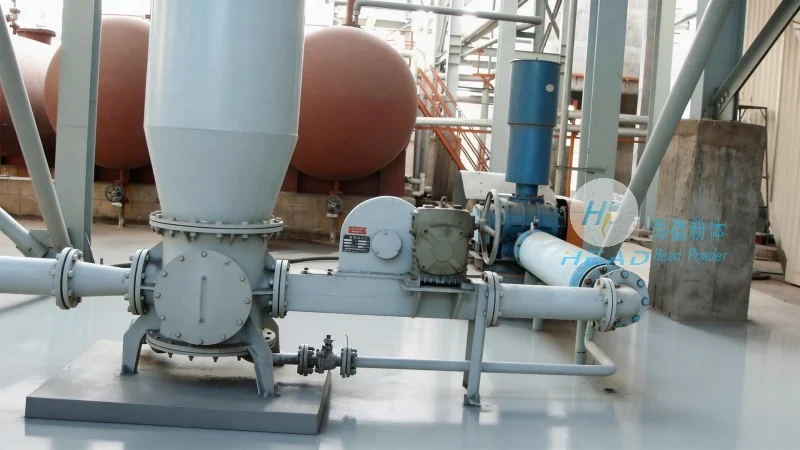
Key Features of Corundum Pneumatic Conveying Equipment from Shandong HeadPowder Engineering Co., Ltd.
Corundum pneumatic conveying equipment manufactured by Shandong HeadPowder Engineering Co., Ltd. (headpowder) is engineered to meet the demanding requirements of industrial applications. The equipment features several notable characteristics that enhance performance and durability: Robust Construction and Durable Materials, the systems are built with high-quality materials, such as stainless steel and wear-resistant components, to withstand the abrasive nature of corundum and reduce maintenance needs. Advanced Control Systems, equipped with sensors and automation technology, the equipment monitors parameters like pressure, flow rate, and temperature, enabling real-time adjustments and preventing operational issues. Low Dust and Environmental Compliance, the enclosed design minimizes dust emissions, ensuring workplace safety and compliance with environmental regulations. Customizable System Design, headpowder offers tailored solutions to fit specific plant layouts and material handling needs, including different pipeline configurations and capacity options. Energy Efficiency, optimized air flow management and high-performance compressors reduce energy consumption, lowering operational costs. The equipment also features easy maintenance and replacement parts, ensuring minimal downtime. These features collectively make the corundum pneumatic conveying systems from headpowder reliable, efficient, and suitable for long-term industrial use.
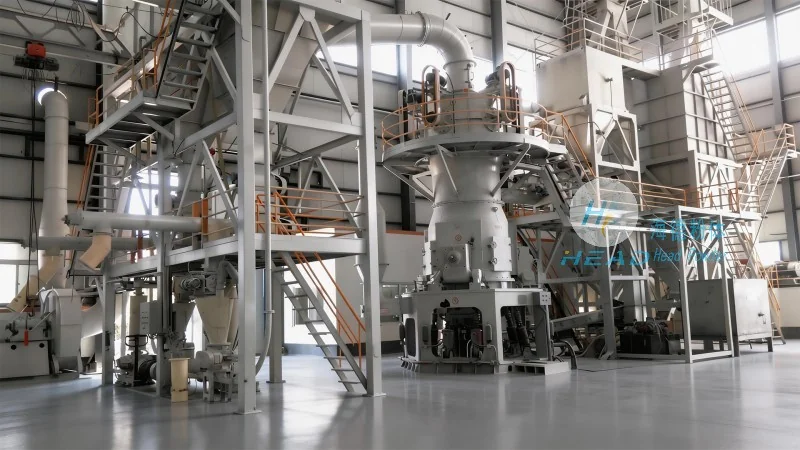
Application Scenarios and Benefits in Industrial Settings
Corundum pneumatic conveying systems are widely utilized in industries such as refractory manufacturing, abrasive products production, and high-purity material processing. In refractory production, the equipment efficiently transports corundum powder to mixers and kilns, ensuring consistent material composition and quality. In abrasive product manufacturing, the systems handle corundum for grinding media and polishing compounds, maintaining product purity and reducing contamination. The benefits of using pneumatic conveying for corundum extend beyond efficiency, including improved workplace safety by reducing dust exposure and enhanced product quality through precise material handling. The systems also contribute to operational flexibility, allowing for easy integration with existing production lines and adjustments to meet changing production demands. Additionally, the low maintenance requirements and long service life of the equipment result in cost savings over time. The use of corundum pneumatic conveying equipment aligns with modern industrial trends toward automation, sustainability, and precision, making it a valuable asset for companies seeking to optimize their material handling processes.