

Fertilizer Pneumatic Conveying Equipment: Structure and Principle Introduction
For agricultural operations, efficient and reliable material handling is crucial, especially when dealing with bulk materials like fertilizers. Pneumatic conveying systems have emerged as a vital solution in this context, offering a method to transport powders and granules with precision and control. This article delves into the structure and working principles of fertilizer pneumatic conveying equipment, highlighting how it enhances productivity and safety in fertilizer handling processes.
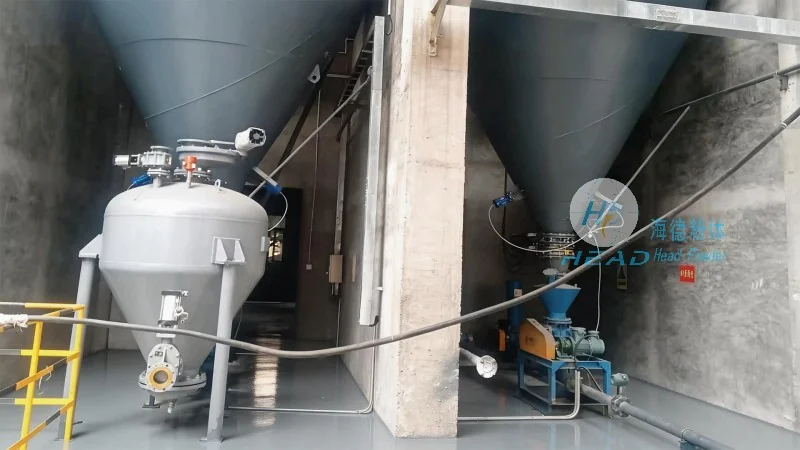
Understanding Pneumatic Conveying Systems for Fertilizers
Pneumatic conveying, also known as powder handling systems, utilizes air or gas to move bulk materials through a pipeline network. In the case of fertilizer applications, these systems are designed to transport various types of fertilizers, including nitrogen, phosphorus, and potassium compounds, from storage silos to processing units or packaging lines. The core of this technology lies in the combination of mechanical components that work in tandem to create a controlled flow of material.
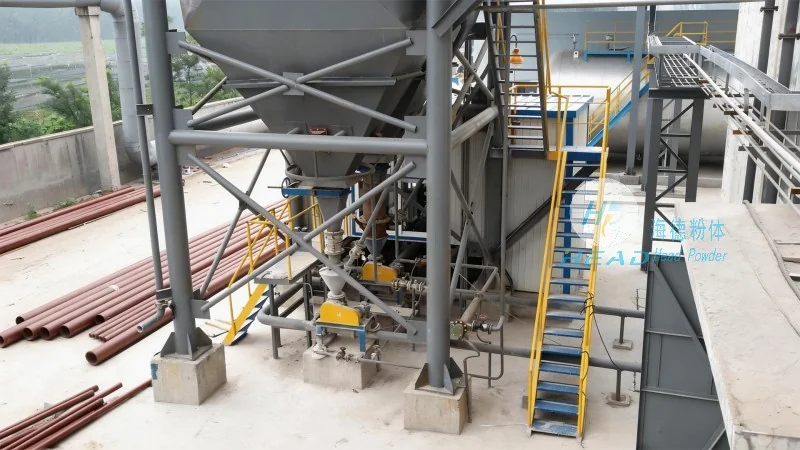
Key Structural Components of Fertilizer Pneumatic Conveying Equipment
The headpowder, a leading manufacturer in the field, designs and supplies advanced pneumatic conveying systems tailored for fertilizer industries. The equipment typically consists of several critical components, each playing a specific role in the overall operation. These include:
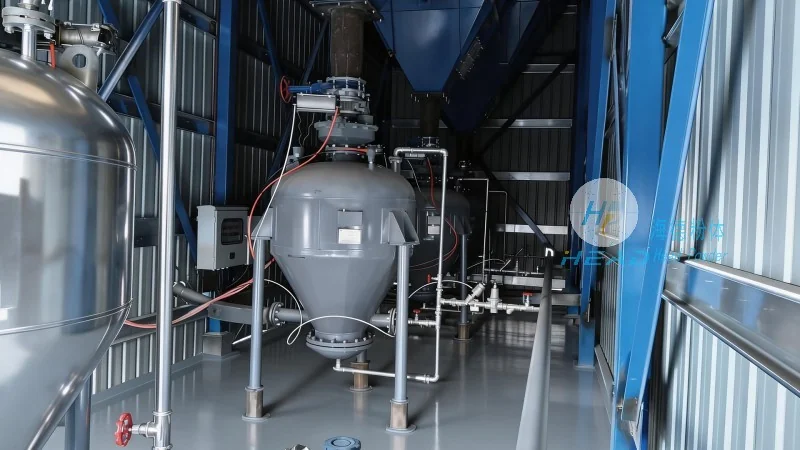
- Feeder: The feeder is responsible for accurately metering the fertilizer from the storage hopper into the conveying line. It ensures a consistent flow rate, preventing overloading or underloading of the system.
- Conveying Line: The pipeline network, often made of stainless steel or other corrosion-resistant materials, forms the backbone of the system. It transports the fertilizer under pressure, using air to push or pull the material through the system.
- Air Supply Unit: This component generates the necessary air pressure or vacuum to move the material. It may include a blower, compressor, or vacuum pump, depending on the system design.
- Separation and Collection System: At the receiving end, the system separates the fertilizer from the air and collects it in a designated container. This may involve cyclones, filters, or other separation devices to ensure clean material handling.
Working Principle of Fertilizer Pneumatic Conveying
The operation of a fertilizer pneumatic conveying system follows a systematic process. Initially, the feeder draws the fertilizer from the storage silo and introduces it into the conveying line. Simultaneously, the air supply unit generates a flow of air that either pushes the material (in positive pressure systems) or pulls it (in negative pressure systems). As the air and fertilizer mix, the material is propelled through the pipeline. Upon reaching the destination, the separation system removes the air, leaving the fertilizer in a clean, contained state.
Advantages of Using Pneumatic Conveying for Fertilizers
Implementing pneumatic conveying systems for fertilizer handling offers numerous benefits. Firstly, it eliminates the need for manual handling, reducing labor costs and minimizing the risk of accidents or contamination. Secondly, the enclosed system prevents dust emissions, improving workplace safety and environmental compliance. Additionally, the precise control over flow rates enhances product quality and reduces material waste. The flexibility of these systems allows for easy integration with existing processing lines, making them a cost-effective upgrade for fertilizer manufacturers.
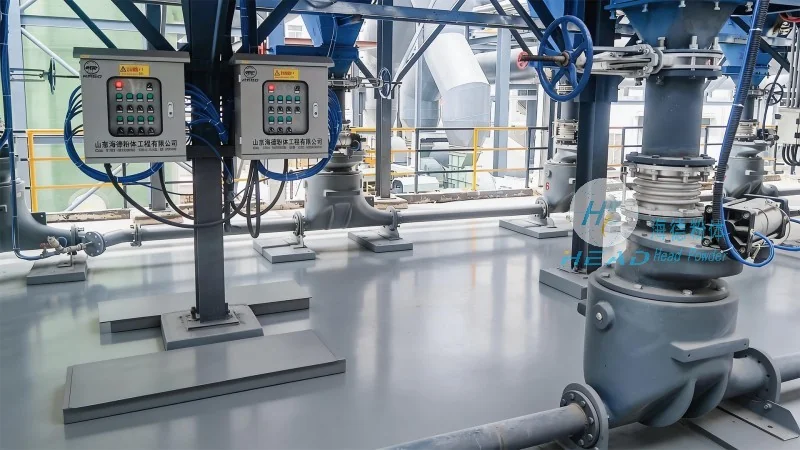
About Shandong HeadPowder Engineering Co., Ltd.
Shandong HeadPowder Engineering Co., Ltd., commonly known as headpowder, is a reputable company based in China, specializing in the design, manufacturing, and supply of advanced powder handling equipment. With a focus on innovation and customer satisfaction, headpowder has established itself as a trusted partner for industries requiring efficient material transport solutions. The company’s facilities are located in Shandong, China, where it leverages local expertise and resources to deliver high-quality products tailored to the specific needs of fertilizer and other bulk material industries.