Aluminum flake pneumatic conveying equipment is a specialized system designed for the efficient and safe transport of aluminum flakes and other fine powders. This equipment is crucial in industries such as aluminum processing, chemical manufacturing, and material handling, where the reliable movement of lightweight, abrasive materials is essential. The following sections will explore the structural components, operational principles, and key features of this equipment, providing a comprehensive understanding of its functionality and application.
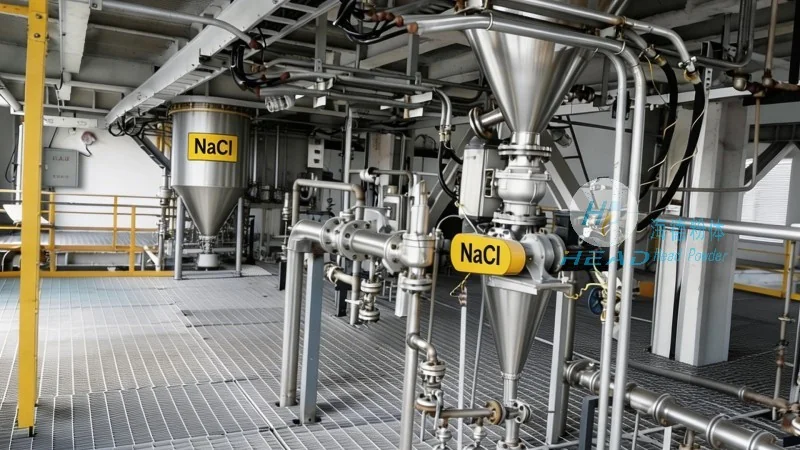
Understanding the Core Components of Aluminum Flake Pneumatic Conveying Systems
The aluminum flake pneumatic conveying system typically consists of several interconnected components that work in tandem to ensure smooth material transport. The primary components include the hopper, feeder, conveying line, and receiver. The hopper serves as the storage container for the aluminum flakes, allowing for a controlled and steady feed of material into the system. A feeder, often a rotary valve or a screw feeder, regulates the flow rate of the flakes from the hopper to the conveying line, preventing overloading and ensuring consistent material delivery. The conveying line, usually made of stainless steel or other corrosion-resistant materials, is the main channel through which the aluminum flakes are transported. It may be a rigid pipe or a flexible hose, depending on the application requirements. The receiver is the final destination where the aluminum flakes are deposited, and it is designed to collect the material efficiently without spillage or contamination.
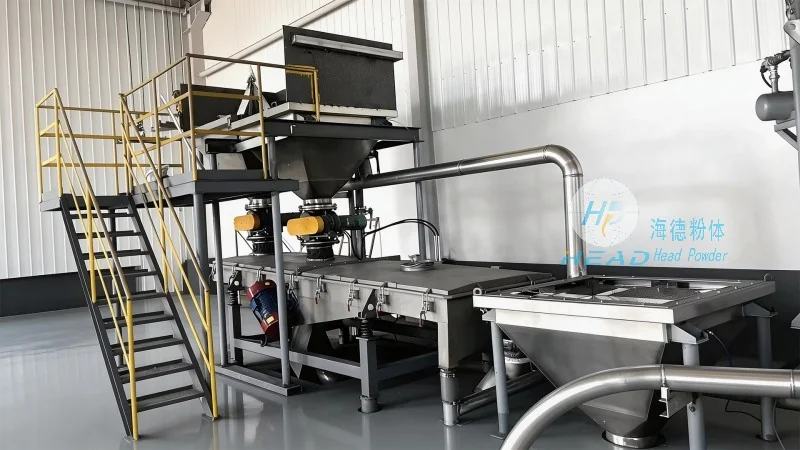
Operational Principles: How Pneumatic Conveying Works
The operation of aluminum flake pneumatic conveying equipment relies on the principles of fluid dynamics and air movement. The system uses compressed air or a vacuum to create a flow of air within the conveying line, which then carries the aluminum flakes along with it. There are two main types of pneumatic conveying systems: pressure and vacuum. In pressure systems, compressed air is introduced at the inlet of the conveying line, pushing the material forward. In vacuum systems, a vacuum is created at the receiver end, drawing the material through the line. The choice between pressure and vacuum depends on factors such as the distance to be covered, the material characteristics, and the system's capacity. The conveying process involves several stages: material intake, acceleration, transport, and deposition. The air velocity within the line must be sufficient to overcome the gravitational force of the aluminum flakes and any frictional resistance within the pipe. Proper air velocity and pressure control are critical to prevent material degradation, blockages, or excessive energy consumption.
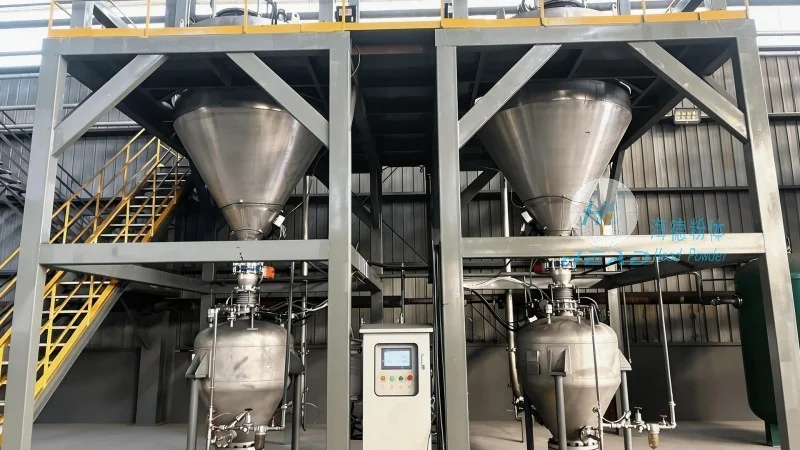
Key Features and Advantages of Aluminum Flake Pneumatic Conveying Equipment
Aluminum flake pneumatic conveying equipment offers several advantages over traditional mechanical conveying methods. One of the primary benefits is the ability to transport materials in a closed system, which helps maintain product quality and prevents contamination from external factors. The closed environment also reduces dust emissions, making it more environmentally friendly and safer for operators. Another advantage is the flexibility of the system, as it can be easily adapted to different production layouts and material handling requirements. The equipment is designed to handle abrasive materials like aluminum flakes without causing wear and tear on the components, thanks to the use of high-quality, corrosion-resistant materials such as stainless steel. Additionally, the system can be integrated with other processing equipment, such as mixers or reactors, to create a seamless production line. The control systems used in these devices are often automated, allowing for precise regulation of flow rates and pressure, which enhances operational efficiency and reduces the risk of human error.
Applications and Industries Utilizing Aluminum Flake Pneumatic Conveying
Aluminum flake pneumatic conveying equipment is widely used in various industries where aluminum flakes are a key component. In the aluminum processing industry, it is used to transport aluminum flakes from storage to production lines for further processing, such as alloying or coating. In the chemical industry, it is employed to handle aluminum-based powders used in the manufacturing of paints, pigments, and other chemical products. The automotive industry also utilizes this equipment to transport aluminum flakes for use in automotive parts and components. Additionally, in the food and beverage industry, although less common, it may be used for transporting aluminum-based flavorings or additives. The versatility of the system makes it suitable for a wide range of applications, from small-scale laboratory operations to large-scale industrial production.
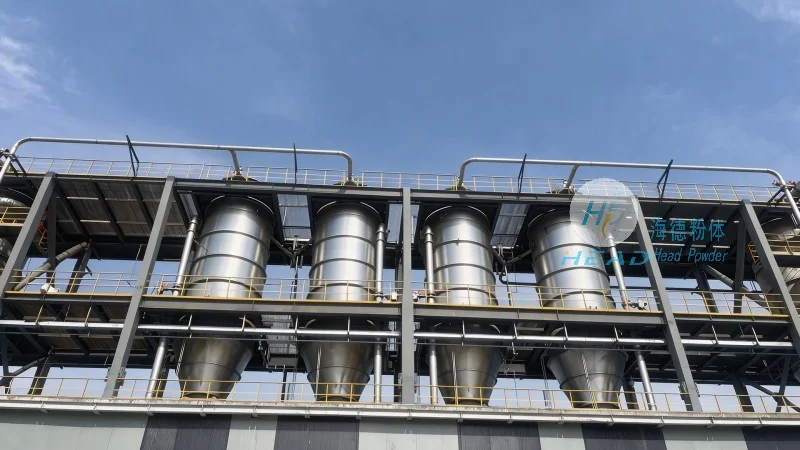
Company Profile: Shandong HeadPowder Engineering Co., Ltd.
Shandong HeadPowder Engineering Co., Ltd. is a leading manufacturer and supplier of advanced powder handling equipment, including aluminum flake pneumatic conveying systems. With a strong focus on innovation and quality, the company has established itself as a trusted partner in the industry. HeadPowder specializes in designing and manufacturing customized solutions tailored to the specific needs of its clients. The company's facilities are equipped with state-of-the-art technology and skilled personnel, ensuring that each product meets the highest standards of performance and reliability. HeadPowder's commitment to customer satisfaction is reflected in its comprehensive after-sales service, which includes installation, maintenance, and technical support. The company's products are widely recognized for their durability, efficiency, and cost-effectiveness, making them a preferred choice for businesses in various sectors. HeadPowder's dedication to research and development ensures that its equipment remains at the forefront of technological advancements, providing clients with the best possible solutions for their powder handling challenges.




