Carbon particle pneumatic conveying machines are advanced industrial equipment designed to efficiently transport carbon-based materials through a pneumatic system. These machines are widely used in various industries, including carbon manufacturing, chemical processing, and material handling, due to their ability to handle abrasive and dusty materials with minimal wear and maintenance. Manufactured by Shandong HeadPowder Engineering Co., Ltd. (headpowder), based in China, these machines are engineered to meet the specific needs of modern industrial applications.
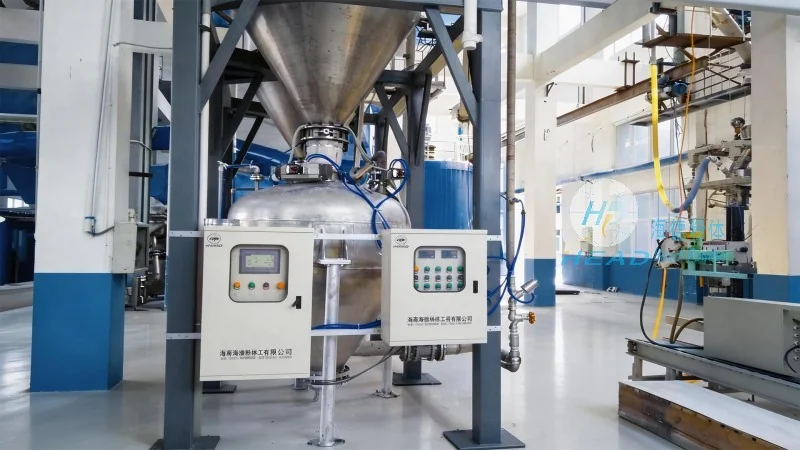
Key Components of Carbon Particle Pneumatic Conveying Systems
The carbon particle pneumatic conveying machine typically consists of several essential components that work in tandem to facilitate material transport. These components include a hopper for material storage, a rotary valve or feeder to control material flow, a conveying line (usually a pipe), a blower or air compressor to generate the necessary air pressure, and a receiver or discharge hopper to collect the transported material. Each component plays a critical role in the overall operation, ensuring that the carbon particles are moved from the source to the destination without loss or degradation.
The Operation Process of Carbon Particle Pneumatic Conveying Machines
The operation process of a carbon particle pneumatic conveying machine begins with the loading of carbon particles into the hopper. The hopper is designed to hold a sufficient quantity of material to maintain a consistent flow during the conveying process. Once the material is loaded, the rotary valve or feeder starts to discharge the particles into the conveying line. Simultaneously, the blower or air compressor generates a high-pressure air stream that travels through the conveying line. As the air and carbon particles mix, the particles are entrained and carried along the pipe to the receiver or discharge point. The air pressure and flow rate are carefully controlled to ensure that the particles are transported at an optimal speed, minimizing particle degradation and system wear.
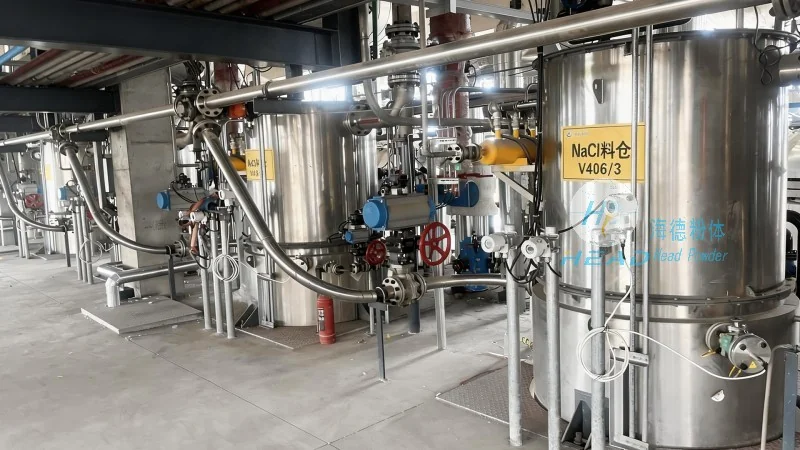
Working Principle of Carbon Particle Pneumatic Conveying Machines
The working principle of carbon particle pneumatic conveying machines is based on the principle of pneumatic transport, where material is moved by the force of compressed air. The process involves creating a pressure differential between the hopper and the receiver, which drives the material through the conveying line. The air flow is directed through the pipe, and as it passes through the rotary valve or feeder, it picks up the carbon particles. The combination of air and particles forms a dense phase or dilute phase flow, depending on the system design and operating conditions. In dense phase conveying, the particles are carried in a relatively high concentration, reducing the risk of particle segregation and improving material handling efficiency. In dilute phase conveying, the particles are dispersed in the air stream, allowing for longer transport distances but with higher energy consumption.
Advantages of Carbon Particle Pneumatic Conveying Machines
Carbon particle pneumatic conveying machines offer several advantages over traditional mechanical conveying systems. These include the ability to handle abrasive and dusty materials without significant wear on the equipment, reduced risk of material contamination due to enclosed systems, and the flexibility to transport materials over long distances or through complex layouts. Additionally, these machines can be easily integrated into existing production lines and can be customized to meet specific material handling requirements. The use of carbon particles in such systems also ensures that the equipment is suitable for handling materials that may be sensitive to moisture or temperature changes.
Applications and Industries
Carbon particle pneumatic conveying machines are widely used in various industries that require the efficient transport of carbon-based materials. Some common applications include the transportation of carbon black, graphite, and other carbon powders in the carbon manufacturing industry. In the chemical processing industry, these machines are used to convey raw materials and finished products, such as carbon-based chemicals and pigments. Additionally, they are used in the food and pharmaceutical industries for handling carbon-based ingredients and additives, where hygiene and contamination control are critical.
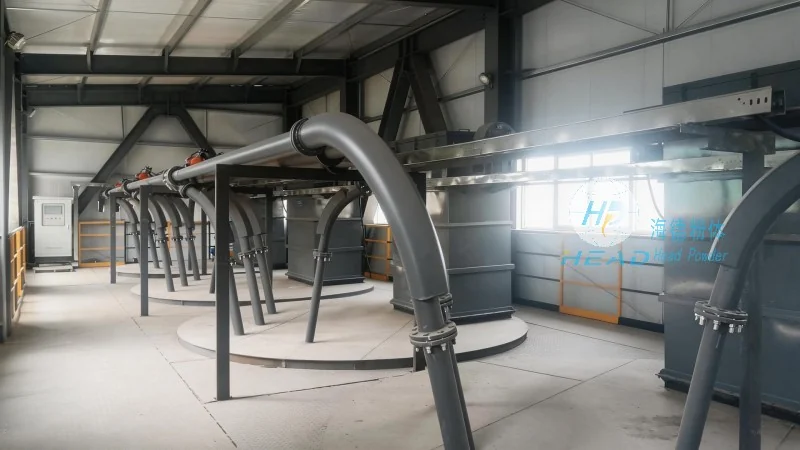
Maintenance and Operational Considerations
Proper maintenance is essential to ensure the reliable operation of carbon particle pneumatic conveying machines. Regular inspection of components such as the hopper, rotary valve, and blower is necessary to identify and address any potential issues before they lead to system failure. The air filter and compressor should be checked and cleaned regularly to prevent dust accumulation and maintain optimal air quality. Additionally, the conveying line should be inspected for any signs of wear or damage, and the system should be flushed periodically to remove any accumulated material. Proper operational considerations, such as maintaining consistent air pressure and flow rate, also contribute to the longevity and efficiency of the machine.
Conclusion
Carbon particle pneumatic conveying machines are an essential part of modern industrial material handling systems, offering efficient and reliable transport of carbon-based materials. The operation process and working principle of these machines involve a combination of mechanical and pneumatic components that work together to ensure optimal performance. With proper maintenance and operational practices, these machines can provide long-term service and contribute to the overall efficiency of industrial processes. As the demand for efficient material handling continues to grow, carbon particle pneumatic conveying machines remain a popular choice for industries seeking to improve their production and material transport capabilities.




