Sodium dithionite, also known as hydrosulfite, is a critical chemical widely used in various industrial processes, including textile bleaching, food processing, and water treatment. The efficient and reliable transportation of this chemical from storage to processing units is essential for maintaining production efficiency and safety. Pneumatic conveying systems offer a robust solution for handling sodium dithionite, and understanding the key structural components is vital for optimizing performance and ensuring longevity. This article explores the main structures of sodium dithionite pneumatic conveying systems, highlighting the essential elements that contribute to effective material handling. The information is provided by Shandong HeadPowder Engineering Co., Ltd., a professional engineering firm specializing in chemical handling systems, with the company's brand known as HeadPowder.
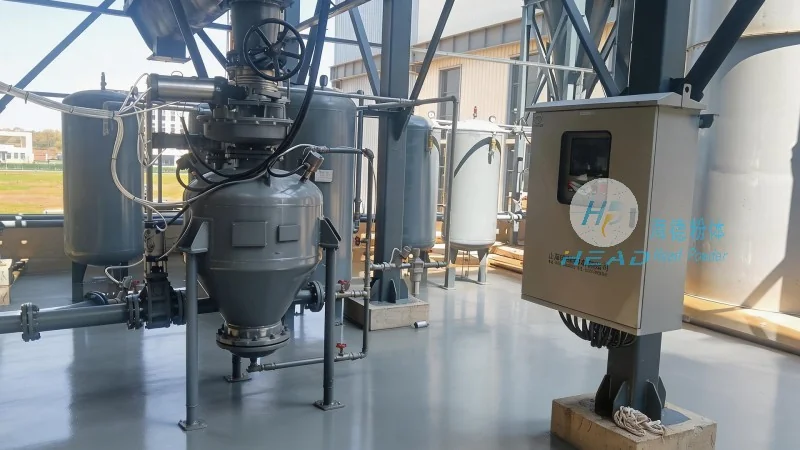
Key Components of Pneumatic Conveying Systems for Sodium Dithionite
The core of any pneumatic conveying system for sodium dithionite consists of several interconnected components designed to handle the material's characteristics. These components work in harmony to ensure smooth, safe, and efficient transport. The primary structures include the storage and feeding equipment, the conveying pipeline network, the air supply system, and the control mechanisms. Each component plays a crucial role in the overall operation, and their design must consider factors such as the material's flowability, dustiness, and potential reactivity. The system is engineered to maintain consistent material flow, minimize downtime, and comply with industrial safety standards.
Storage and Feeding Equipment
Effective pneumatic conveying starts with proper storage and feeding of sodium dithionite. The storage silos or hoppers are typically made of corrosion-resistant materials, such as stainless steel or lined carbon steel, to prevent degradation from the chemical's acidic properties. These containers are equipped with level indicators and pressure relief valves to monitor and regulate the material level. The feeding equipment, often a rotary valve or a screw feeder, ensures a consistent and controlled flow of the material into the conveying line. This component is critical to prevent blockages and maintain the system's efficiency. The design of the feeding equipment must accommodate the material's bulk density and flow characteristics, ensuring that it can be fed smoothly without causing airlock or pressure buildup. The equipment is manufactured with precision to meet the demands of high-volume production, ensuring durability and reliability.
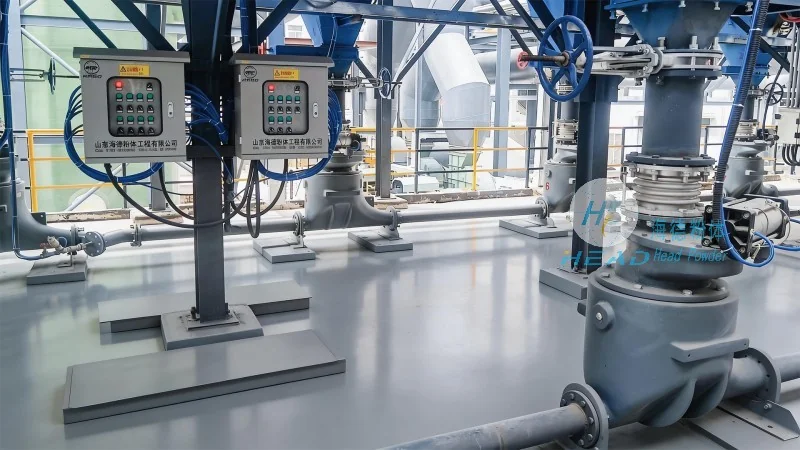
Pneumatic Conveying Pipeline System
The pipeline system is the backbone of the pneumatic conveying process, responsible for transporting sodium dithionite from the storage area to the processing unit. The choice of pipeline material is crucial, as sodium dithionite can be corrosive and may cause wear over time. Common materials include stainless steel, PVC, or lined steel pipes, selected based on the system's pressure, temperature, and the material's compatibility. The pipeline is typically arranged in a loop or a straight line, with bends and elbows strategically placed to minimize pressure losses and prevent material deposition. The system may include vertical and horizontal sections, with vertical lifts requiring additional air pressure to overcome gravity. The pipeline also incorporates check valves and airlocks at critical points to prevent backflow and ensure unidirectional flow. The design considers factors like the material's particle size and density to optimize the conveying velocity and reduce energy consumption.
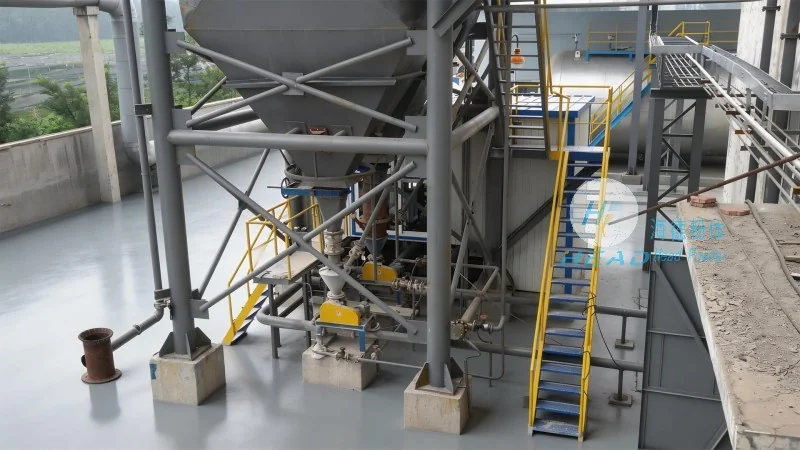
Air Supply and Control System
The air supply system provides the necessary pressure and volume of air to move the sodium dithionite through the pipeline. This system typically includes a blower or a compressor, which generates the required airflow. The air is filtered to remove contaminants that could damage the equipment or affect the material's quality. The control system manages the air pressure, flow rate, and timing of the conveying process. It may include sensors to monitor pressure, flow, and material level, and control valves to adjust the air supply as needed. The system is designed to operate efficiently, minimizing energy consumption while ensuring reliable material transport. Proper control is essential to prevent overpressurization or underpressurization, which can lead to system failures or material spillage. The control mechanisms are integrated with the feeding and pipeline systems to create a seamless operation.
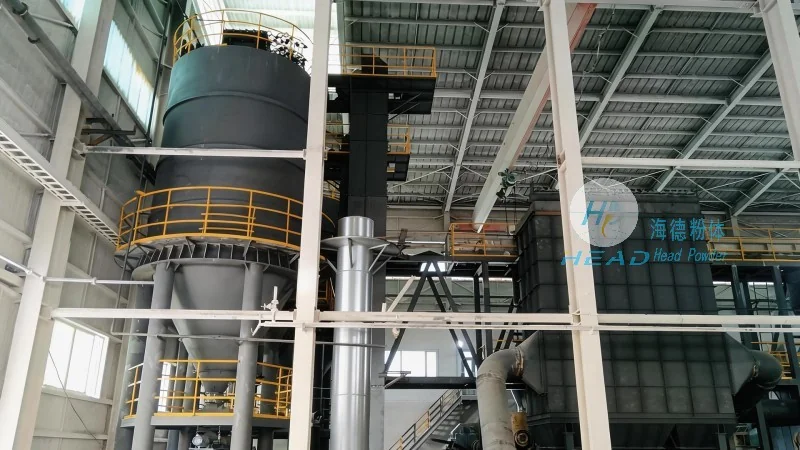
Material Handling and Safety Features
Ensuring the safety of personnel and the integrity of the system is paramount in sodium dithionite pneumatic conveying. The structures include various safety features to mitigate risks. For example, explosion-proof blower systems are used in areas where there is a risk of dust accumulation. The pipeline is equipped with pressure relief valves to prevent overpressure, and the feeding equipment includes lock-out/tag-out mechanisms to ensure safe operation during maintenance. The system may also include dust collection and filtration systems to capture any airborne particles and prevent environmental contamination. These safety features are integrated into the overall design to comply with industrial safety standards and regulations. The company, Shandong HeadPowder Engineering Co., Ltd., adheres to strict safety protocols in the design and installation of these systems, ensuring that clients operate with confidence.
Customization and Integration with Industrial Processes
Sodium dithionite pneumatic conveying systems are often customized to fit specific industrial requirements. The design may vary based on the production scale, the distance between storage and processing units, and the existing infrastructure. The system can be integrated with other equipment, such as mixers, reactors, or packaging units, to form a complete production line. The customization process involves careful analysis of the material's properties, the operational parameters, and the client's specific needs. This ensures that the system is optimized for maximum efficiency and minimal downtime. The integration of the conveying system with other processes also allows for better control and monitoring of the entire production workflow. The company specializes in providing tailored solutions that align with the client's operational goals, ensuring long-term performance and cost-effectiveness.




