Edible salt powder conveying lines are critical systems in the food processing industry, designed to efficiently transport bulk salt from storage to processing areas. Understanding their operational principles and typical working environments is essential for optimizing production efficiency and ensuring product quality. This article explores the fundamental mechanisms behind these systems and highlights key characteristics of their application scenarios.
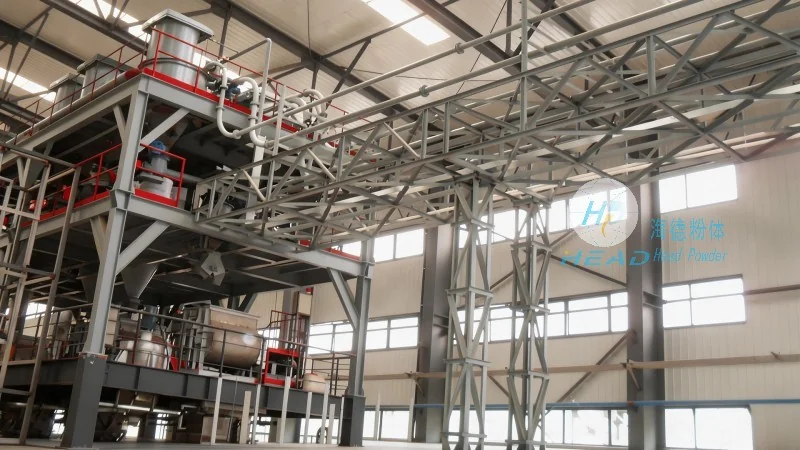
Overview of Edible Salt Powder Conveying Lines
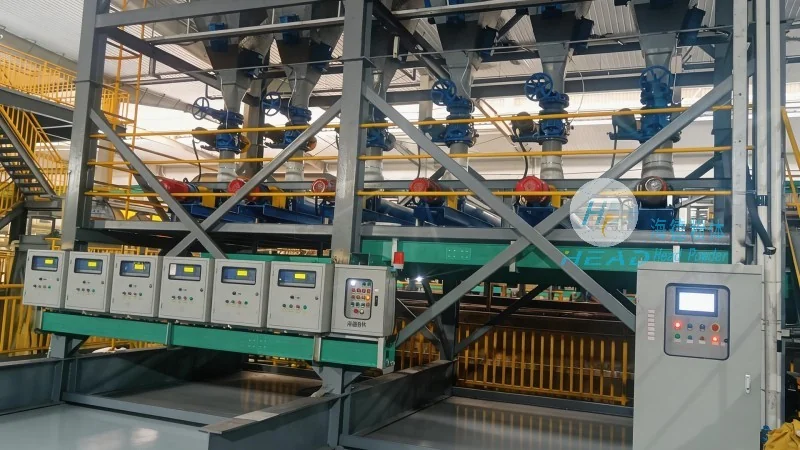
Edible salt powder conveying lines are engineered to handle the transportation of granular or powdered salt, a common ingredient in various food products. These systems typically consist of components such as hoppers, conveyors (like screw conveyors or pneumatic systems), control panels, and safety features. The primary goal is to move salt from storage silos or bulk containers to processing equipment, packaging lines, or other areas within a facility. The design of these lines is tailored to meet the specific requirements of the food industry, emphasizing hygiene, durability, and compliance with food safety regulations.
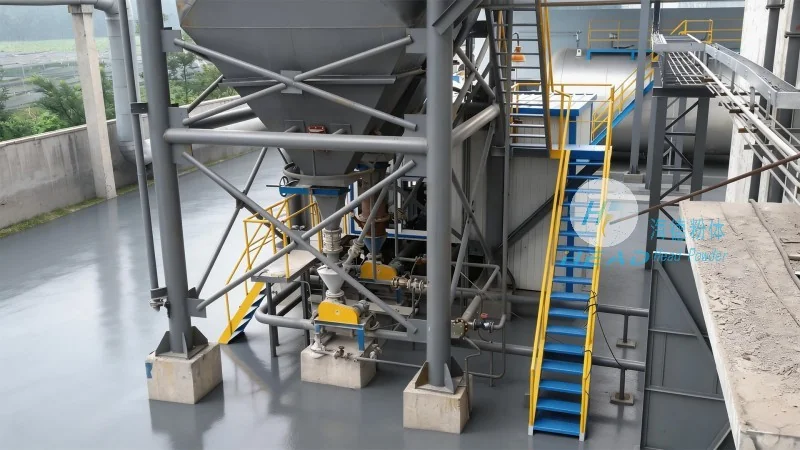
Working Principles of the Conveying System
The operation of edible salt powder conveying lines relies on mechanical or pneumatic forces to move the salt. In mechanical systems, screw conveyors or belt conveyors are commonly used. Screw conveyors utilize a rotating helical screw to push the salt forward, while belt conveyors use a moving belt to transport the material. Pneumatic conveying systems, on the other hand, employ compressed air to create a flow of air and salt particles, often using a combination of positive and negative pressure to move the material through pipes. The choice of system depends on factors such as the volume of salt to be transported, the distance between the source and destination, and the need for enclosed or open transport.
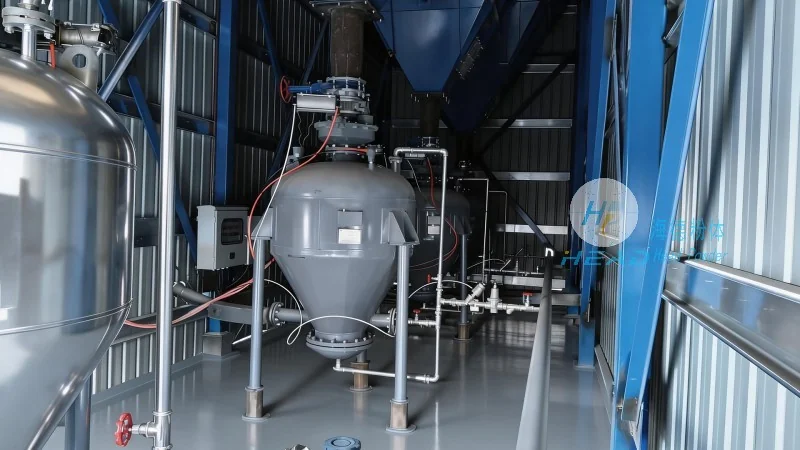
Key Working Scene Characteristics
The working environment of edible salt powder conveying lines varies based on the specific application and facility layout. Some common characteristics include:
- Industrial Food Processing Plants: In large-scale food processing facilities, these lines are integrated into production lines for salted snacks, canned foods, or other processed products. The systems are designed to handle high volumes of salt and operate continuously to meet production demands.
- Storage and Distribution Centers: In facilities that store bulk edible salt for distribution, conveying lines are used to transfer salt from storage silos to loading areas or packaging stations. This ensures efficient inventory management and reduces manual handling risks.
- Small to Medium-Sized Food Manufacturers: For smaller food production operations, the conveying lines may be more compact and less complex, focusing on reliability and ease of maintenance while still adhering to food safety standards.
Importance of System Design and Maintenance
Proper design and regular maintenance of edible salt powder conveying lines are crucial for maintaining operational efficiency and product quality. Factors such as material flow, equipment durability, and hygiene control are critical. Regular cleaning and inspection of components, especially those in contact with salt, help prevent contamination and ensure the system operates smoothly. Additionally, the selection of appropriate materials for construction (e.g., stainless steel) is vital to withstand the corrosive nature of salt and maintain compliance with food safety regulations.
Conclusion
Edible salt powder conveying lines play a vital role in the food processing industry by enabling efficient and safe transportation of salt. Understanding their working principles and application characteristics helps businesses optimize their operations and meet industry standards. Companies like Shandong HeadPowder Engineering Co., Ltd., based in China, specialize in designing and manufacturing such systems to meet the diverse needs of food manufacturers worldwide.




