For industrial applications involving the transport of soda ash powder, understanding the underlying principles and operational characteristics of specialized conveying systems is crucial. This article explores the technical foundation of soda ash powder conveying lines, alongside key working scene characteristics that define their effectiveness in various industrial settings.
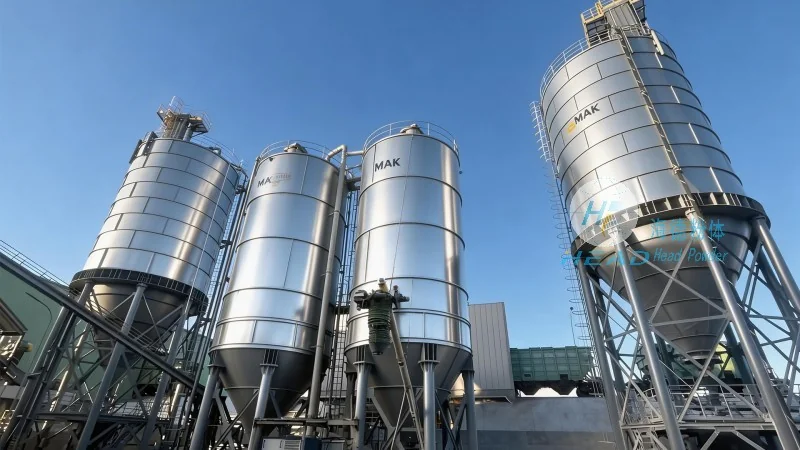
Core Principles of Soda Ash Powder Conveying Systems
The fundamental principle of soda ash powder conveying lines revolves around the efficient and safe movement of bulk powder materials, such as soda ash, from one location to another within industrial facilities. These systems typically employ mechanical or pneumatic methods to handle the material, ensuring minimal degradation and loss during transport. The design of these lines often incorporates components like hoppers, feeders, conveyors, and control systems to maintain consistent flow rates and prevent material bridging or caking, which are common challenges in powder handling.
Key to the operation is the selection of appropriate equipment based on the physical properties of soda ash, including its particle size distribution, moisture content, and flowability. For instance, when dealing with fine-grained soda ash, systems may utilize screw conveyors or pneumatic pipelines equipped with airlocks and filters to prevent dust emissions and ensure compliance with environmental regulations. The integration of sensors and automation controls further enhances the reliability and efficiency of the conveying process, allowing for real-time monitoring of flow rates, pressure differentials, and system performance.
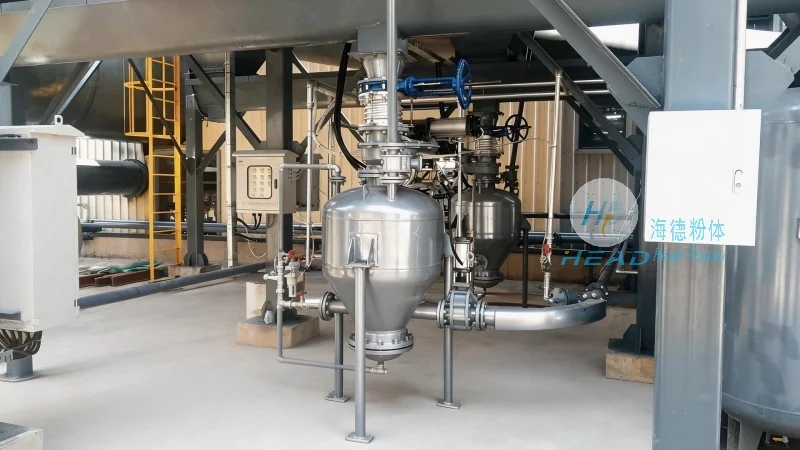
Working Scene Characteristics of Soda Ash Powder Conveying Lines
The working scene characteristics of soda ash powder conveying lines are shaped by the specific demands of industrial environments where they are deployed. These characteristics include operational flexibility, scalability, and adaptability to varying production volumes and material handling requirements. In manufacturing plants, for example, such systems are often integrated into production lines to connect raw material storage areas with processing units, ensuring a continuous supply of soda ash for chemical reactions or further processing.
Another critical characteristic is the emphasis on safety and environmental compliance. Given that soda ash is a common industrial chemical, conveying systems must be designed to minimize dust generation and prevent exposure to personnel. This is achieved through the use of enclosed conveyor systems, dust collection units, and proper ventilation, which are essential in maintaining a safe working environment. Additionally, the systems are engineered to handle potential variations in material properties, such as changes in moisture content or particle size, without compromising performance or causing equipment damage.
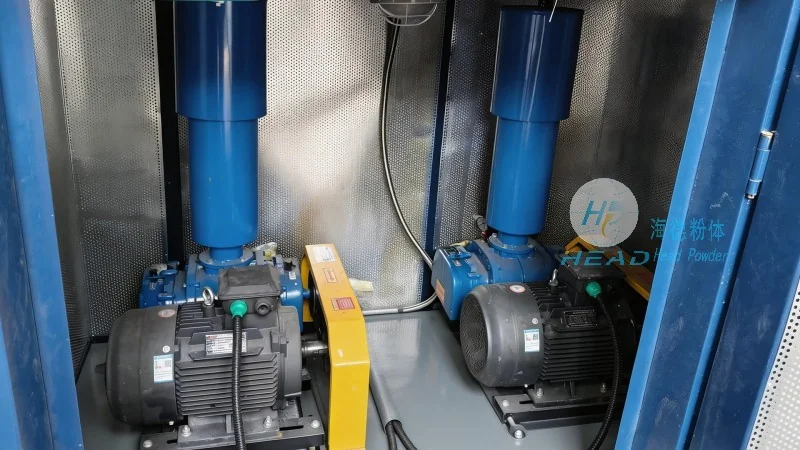
In terms of operational efficiency, the working scene characteristics also highlight the importance of energy efficiency and maintenance accessibility. Modern conveying lines are designed with energy-saving features, such as variable speed drives and optimized airflow, to reduce operational costs. Furthermore, the modular design of these systems allows for easy maintenance and component replacement, minimizing downtime and ensuring consistent performance over extended periods. This is particularly important in continuous production processes where interruptions can lead to significant losses.
Application Examples and Industry Relevance
The application of soda ash powder conveying lines spans multiple industries, including chemical manufacturing, glass production, and water treatment. In the chemical industry, these systems are integral to the production of sodium carbonate, where soda ash is a primary raw material. The efficient transport of soda ash from storage silos to reactors or processing units is vital for maintaining production throughput and product quality. Similarly, in the glass manufacturing sector, soda ash is used as a flux to lower the melting point of silica, and conveying systems ensure a steady supply of the material to glass furnaces.
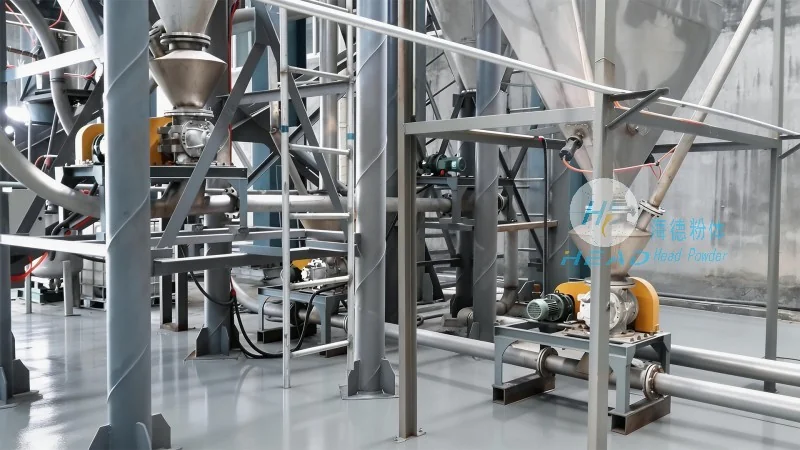
Water treatment facilities also utilize soda ash to adjust pH levels and remove impurities from water. The conveying lines in these settings must be capable of handling large volumes of powder while maintaining precise control over dosing rates. This ensures that the water treatment process operates efficiently and meets regulatory standards. The versatility of soda ash powder conveying lines makes them suitable for a wide range of applications, adapting to the unique requirements of each industrial sector.
Conclusion and Company Overview
In conclusion, soda ash powder conveying lines are essential components in industrial operations, providing reliable and efficient transport of bulk powder materials. The principles underlying these systems, combined with their working scene characteristics, enable them to meet the demands of various applications while ensuring safety, efficiency, and compliance with industry standards. As a leading provider in this field, Shandong HeadPowder Engineering Co., Ltd. specializes in designing and manufacturing customized conveying solutions tailored to the specific needs of clients. With a focus on innovation and quality, the company ensures that its products meet the highest standards of performance and durability, supporting the operational success of industrial facilities worldwide.




