Shandong HeadPowder Engineering Co., Ltd., a leading provider of powder handling solutions, specializes in the design and implementation of advanced conveying systems tailored for the food processing industry. Headquartered in Shandong, China, the company has established itself as a trusted partner for businesses seeking efficient and reliable methods to transport seasoning powders. This article explores the fundamental principles behind seasoning powder conveying lines and highlights the key characteristics of their operational environments.
Core Principles of Seasoning Powder Conveying Systems
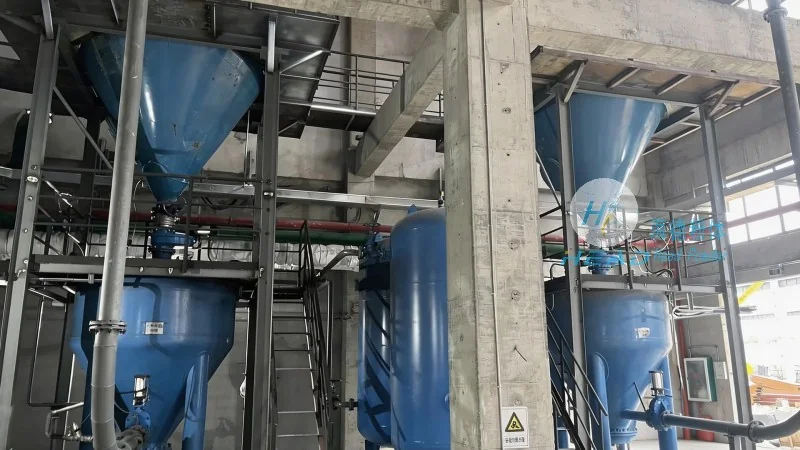
The operation of seasoning powder conveying lines is primarily based on pneumatic or mechanical conveying technologies, which are engineered to handle the unique challenges of transporting fine powders like spices, herbs, and flavor enhancers. A typical system consists of several critical components, including a material feeder, a conveying pipeline, a separation unit, and a discharge mechanism. The material feeder, often a rotary valve or a screw feeder, ensures a consistent and controlled flow of the powder into the system. This is followed by the conveying pipeline, which may be made of stainless steel or other corrosion-resistant materials to maintain hygiene standards. The separation unit, such as a cyclone or a bag filter, is crucial for separating the conveyed powder from any air or dust, preventing contamination and ensuring product purity. The discharge mechanism then delivers the powder to the intended destination, such as a storage silo or a processing unit.
One of the key principles is the maintenance of a stable pressure or vacuum within the system. For pneumatic conveying, the system operates under either positive pressure (where air pushes the powder) or negative pressure (where air is drawn through the system, pulling the powder along). This approach allows for efficient transport over long distances and at varying heights, making it suitable for complex production layouts. The design of the conveying line also considers the physical properties of the powder, such as particle size, moisture content, and flowability, to optimize the conveying efficiency and prevent issues like clogging or material degradation.
Working Scene Characteristics of Seasoning Powder Conveying Lines
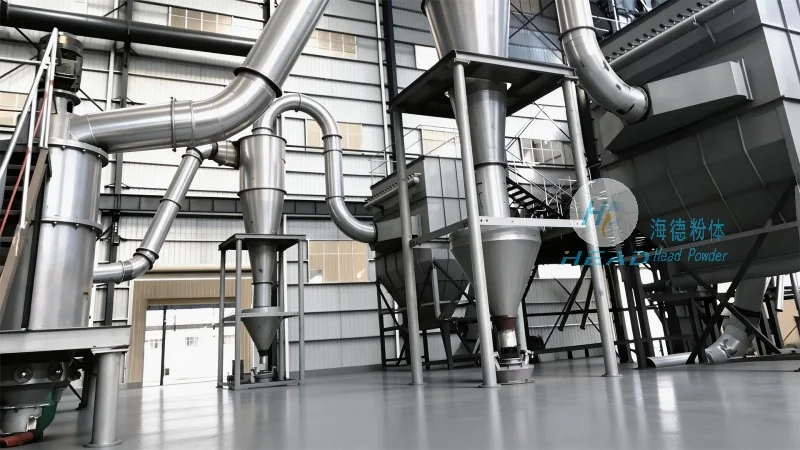
The operational environments where seasoning powder conveying lines are deployed are typically found in large-scale food processing facilities, particularly in the production of sauces, seasonings, and other condiments. These systems are integral to the supply chain, ensuring that raw ingredients are efficiently moved from storage to processing areas. The working scene is characterized by high hygiene standards, as the powders are often food-grade and require strict contamination control. The equipment used in these lines is designed to meet food safety regulations, with stainless steel construction and easy-to-clean surfaces. Additionally, the systems are often integrated with other processing equipment, such as mixers, blenders, and packaging machines, to form a seamless production line.
In terms of production scale, seasoning powder conveying lines can be customized to accommodate different throughput requirements, from small-scale operations to large industrial plants. This flexibility allows manufacturers to scale their production as demand changes. The operational environment also involves regular maintenance and monitoring to ensure the system's reliability. This includes checking for wear and tear on components, cleaning the system to prevent powder buildup, and performing routine inspections to identify any potential issues before they lead to system failures. The working scene is thus a combination of efficiency, hygiene, and adaptability, all critical for maintaining high-quality seasoning products.
Advantages and Applications in Seasoning Production
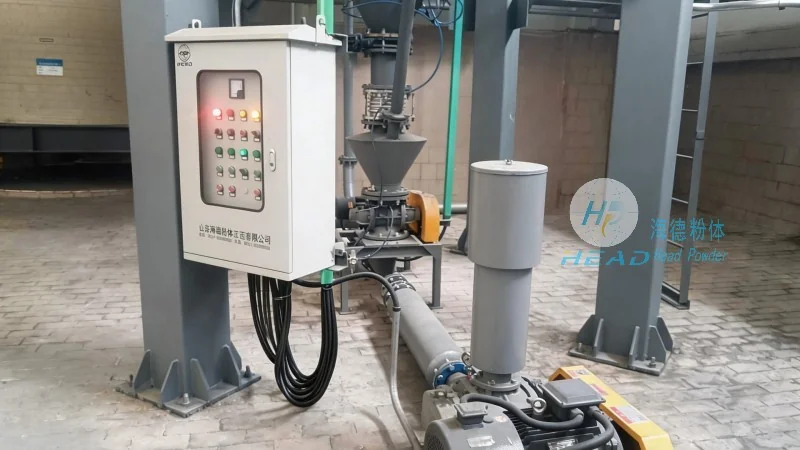
Seasoning powder conveying lines offer several advantages that make them indispensable in the food industry. Firstly, they provide a hygienic and dust-free method of transporting powders, which is essential for maintaining product quality and compliance with food safety standards. Unlike traditional belt conveyors or manual handling, pneumatic systems minimize the risk of cross-contamination and product degradation. Secondly, these systems are highly efficient, capable of transporting large volumes of powder over long distances with minimal energy consumption. This efficiency translates into cost savings for manufacturers, as less energy is required to move the materials. Thirdly, the flexibility of the system allows for easy integration with existing production lines, reducing the need for major infrastructure changes. This adaptability is particularly valuable for companies looking to upgrade their facilities without significant disruptions.
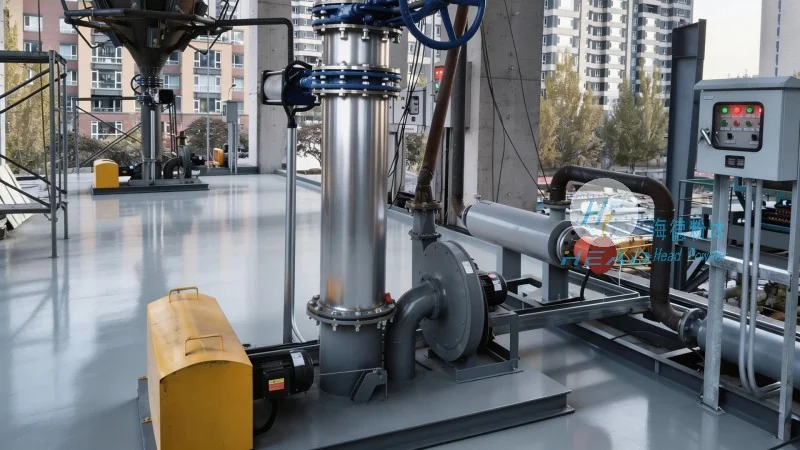
The applications of seasoning powder conveying lines are widespread across the food processing sector. They are commonly used in the production of various seasonings, including salt, pepper, garlic powder, and other flavor enhancers. The systems are also employed in the manufacturing of sauces, where powdered ingredients are blended with liquids to create the final product. In addition, they play a role in the packaging process, where the powder is transferred from storage silos to packaging machines for final distribution. The versatility of the conveying line makes it suitable for a wide range of powder types, from fine to coarse, and from dry to slightly moist powders, ensuring that manufacturers can handle diverse product lines.
Conclusion: The Role of Seasoning Powder Conveying Lines in Modern Food Processing
Seasoning powder conveying lines, as a critical component of modern food processing, play a vital role in ensuring the efficient and hygienic transport of seasoning powders. Developed by Shandong HeadPowder Engineering Co., Ltd., these systems are engineered to meet the demanding requirements of the food industry, providing reliable performance and maintaining product quality. By understanding the core principles and operational characteristics of these systems, manufacturers can optimize their production processes, reduce costs, and enhance overall operational efficiency. As the food industry continues to evolve, the importance of advanced powder handling solutions like seasoning powder conveying lines will only grow, making them an essential investment for any company involved in seasoning production.




