Types, Features, and Application Ranges of Air-Pneumatic Conveying for Purified Fly Ash
Release time:2026-09-14 10:47:18
name of the company:Shandong Headpowder Engineering Co., Ltd.
telephone:156-6277-7102
contacts:Zhang manager
HeadPowder, a leading provider of industrial conveying solutions, specializes in air-pneumatic systems designed for the efficient handling of purified fly ash. This article explores the key types, distinctive features, and diverse application ranges of such systems, highlighting their importance in modern industrial processes.
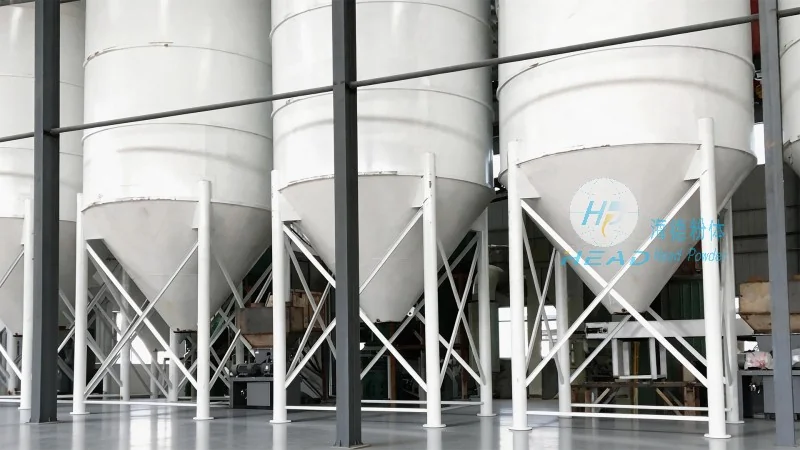
Introduction to Air-Pneumatic Conveying for Purified Fly Ash
Air-pneumatic conveying systems represent a sophisticated method for transporting bulk materials, including purified fly ash, through a pipeline using pressurized air or vacuum. These systems are integral to industries such as power generation, cement production, and waste management, where the safe and efficient movement of fly ash is critical. The technology offers advantages like minimal material degradation, reduced contamination, and the ability to handle fine or abrasive particles, making it a preferred choice for applications requiring high purity and controlled handling.
Key Types of Air-Pneumatic Conveying Systems
There are several distinct types of air-pneumatic conveying systems tailored for purified fly ash, each with specific operational characteristics and suitability for different scenarios. The primary categories include:
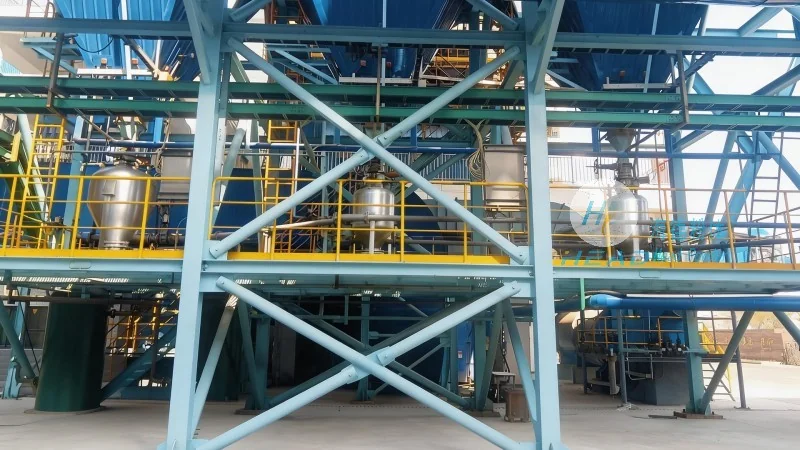
- Positive Pressure Systems: These systems operate by forcing air through the material, creating a positive pressure within the pipeline. They are ideal for conveying fly ash over long distances and through multiple bends, as the positive pressure maintains material flow and prevents backflow. Positive pressure systems are commonly used in large-scale industrial settings where high throughput is required.
- Negative Pressure (Vacuum) Systems: In contrast, vacuum systems draw material into the pipeline using a vacuum pump, creating a negative pressure environment. This method is well-suited for applications where the material needs to be collected from multiple points or where the source is at a lower elevation than the destination. Vacuum systems are often preferred for handling fine or dust-like fly ash, as they can effectively capture and transport particles without causing excessive wear on equipment.
- Combined (Bi-Directional) Systems: Some advanced systems combine both positive and negative pressure capabilities, allowing for flexible operation. These systems can switch between conveying modes based on the task at hand, providing versatility in handling fly ash from various sources and for different processing steps. Bi-directional systems are particularly useful in complex industrial setups where material may need to be transported in both directions or where the system must adapt to changing operational conditions.
Distinctive Features of Air-Pneumatic Conveying for Purified Fly Ash
When applied to purified fly ash, air-pneumatic conveying systems exhibit several key features that enhance performance and reliability:
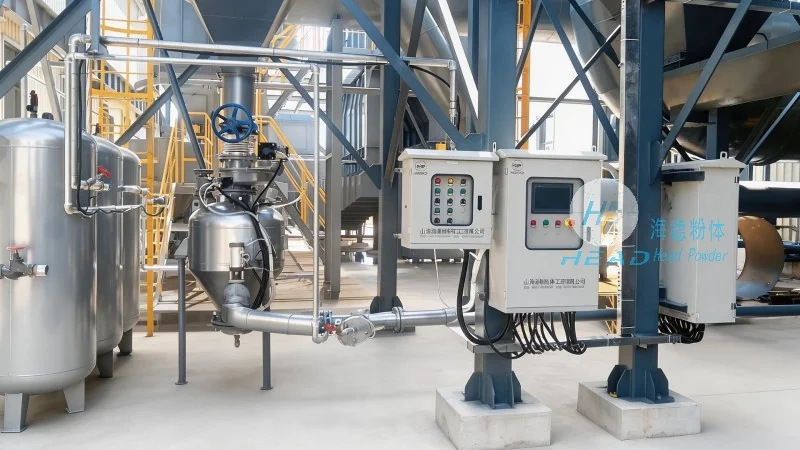
- High Purity and Minimal Contamination: The enclosed pipeline design ensures that the fly ash remains isolated from external contaminants, maintaining its purity. This is crucial for downstream processes, such as cement production or recycling, where the quality of the fly ash directly impacts the final product.
- Efficient Handling of Fine Particles: The air-pneumatic method is highly effective at transporting fine or abrasive fly ash particles without causing degradation or blockages. The controlled air flow prevents particle agglomeration and ensures smooth material movement through the pipeline.
- Reduced Maintenance and Downtime: Compared to traditional mechanical conveying systems, air-pneumatic systems have fewer moving parts, leading to lower maintenance requirements and reduced downtime. This results in cost savings and increased operational efficiency for industrial facilities.
- Energy Efficiency: Modern air-pneumatic systems are designed to optimize energy usage, with variable speed drives and efficient air compressors reducing operational costs. This makes them an environmentally friendly choice for industries aiming to minimize their carbon footprint.
Application Ranges of Air-Pneumatic Conveying Systems
The versatility of air-pneumatic conveying systems for purified fly ash makes them suitable for a wide range of applications across various industries. Some of the primary application areas include:
- Cement and Concrete Production: In the cement industry, purified fly ash is a valuable additive used to improve the strength and durability of concrete. Air-pneumatic systems are used to transport fly ash from storage silos to mixing plants, ensuring consistent and high-quality material delivery.
- Power Generation and Waste Management: Power plants generate significant amounts of fly ash as a byproduct of coal combustion. Air-pneumatic conveying systems are employed to transport this ash from the boiler to disposal sites or to recycling facilities, where it can be repurposed as a raw material.
- Industrial Recycling and Material Recovery: Fly ash can be processed and recycled into various products, such as bricks or road materials. Air-pneumatic systems facilitate the transport of processed fly ash between different stages of the recycling process, ensuring efficient material flow and minimizing waste.
- Environmental Remediation: In some cases, fly ash is used in environmental remediation projects, such as soil stabilization or landfill cover materials. Air-pneumatic conveying systems enable the precise delivery of fly ash to these sites, contributing to sustainable environmental practices.
Conclusion
HeadPowder Engineering Co., Ltd., based in Shandong, China, offers advanced air-pneumatic conveying solutions tailored to the specific needs of purified fly ash handling. By leveraging the distinct types, features, and application ranges of these systems, industrial facilities can achieve efficient, reliable, and cost-effective material transport. The company's expertise in designing and implementing such systems ensures that clients receive customized solutions that meet their operational requirements and contribute to overall process optimization.




