HeadPowder, a leading engineering company based in Shandong, China, specializes in the design and implementation of advanced pneumatic conveying systems tailored for wood fiber materials. These systems represent a sophisticated solution for efficiently transporting bulk materials in industrial settings, combining precision, reliability, and adaptability to diverse operational needs.
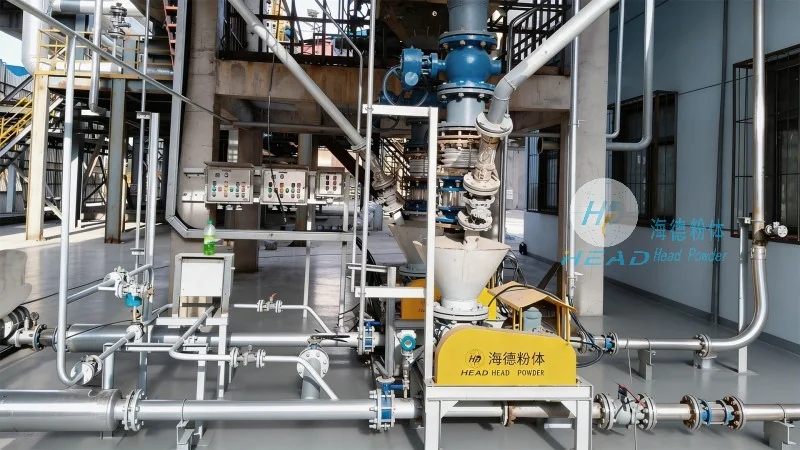
The Fundamental Principles of Pneumatic Conveying
The core principle of pneumatic conveying involves the use of air or gas to transport solid materials through a pipeline. In the context of wood fiber materials, this technology leverages pressurized or vacuum air streams to move the material from a source to a destination. The system typically consists of a hopper, a conveyor line, and a discharge mechanism, all integrated to ensure smooth material flow. Key components include the air compressor, which generates the necessary pressure, and the material feed device, which controls the introduction of wood fibers into the system. The design of the pipeline and the selection of air velocity are critical factors that determine the efficiency and effectiveness of the conveying process. By maintaining optimal air pressure and flow rates, the system minimizes material degradation and ensures consistent performance.
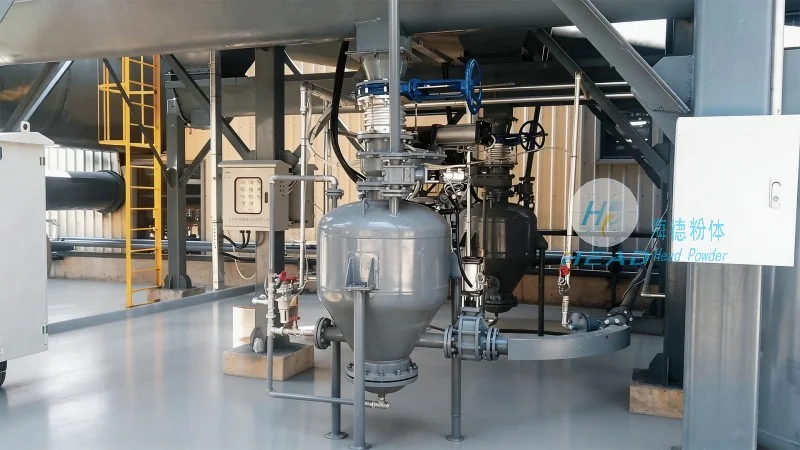
Key Features and Advantages of Wood Fiber Pneumatic Conveying Systems
Wood fiber pneumatic conveying systems offer several distinct advantages over traditional mechanical conveying methods. First, they provide a dust-free and hygienic environment, which is particularly important for applications where material contamination must be avoided, such as in the production of paper, insulation, or composite materials. Second, these systems are highly flexible, allowing for changes in material flow direction and destination without the need for extensive reconfiguration. Third, they are energy-efficient, as the air compression and material transport processes are optimized to minimize power consumption. Additionally, the systems are compact and can be integrated into existing industrial layouts, reducing space requirements and installation costs. The reliability of pneumatic conveying is also noteworthy, with minimal maintenance requirements and the ability to handle a wide range of wood fiber types, including sawdust, shavings, and other fine particles.
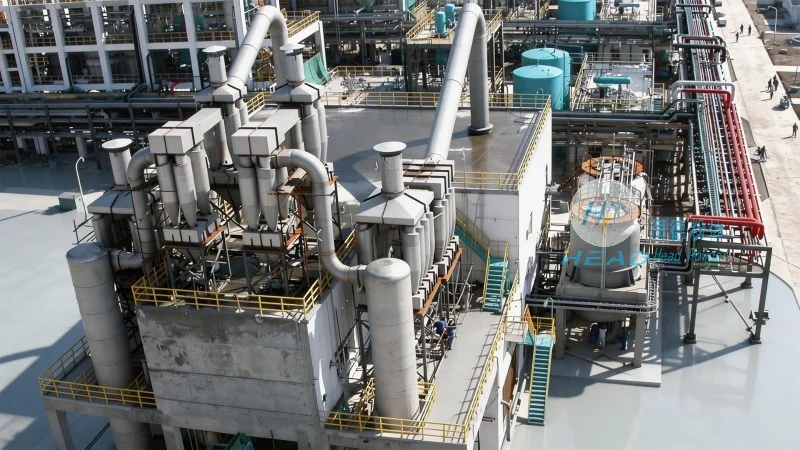
Common Application Scenarios and Operational Environments
Wood fiber pneumatic conveying systems are widely used in various industrial sectors, each presenting unique challenges and requirements. In the paper and pulp industry, these systems are essential for transporting raw wood fibers from storage to processing facilities, ensuring a continuous supply of material for paper production. The food and beverage industry also benefits from such systems, particularly in the processing of wood-based ingredients for products like fiber supplements or dietary aids. Additionally, the construction and insulation sectors utilize pneumatic conveying for transporting wood fiber insulation materials to manufacturing plants or construction sites, where consistent material quality is critical. In the composite materials industry, these systems facilitate the transport of wood fibers to mixing and molding equipment, enabling the production of high-performance composite products. Each application scenario requires careful consideration of material characteristics, such as moisture content, particle size, and flowability, to ensure optimal system performance.
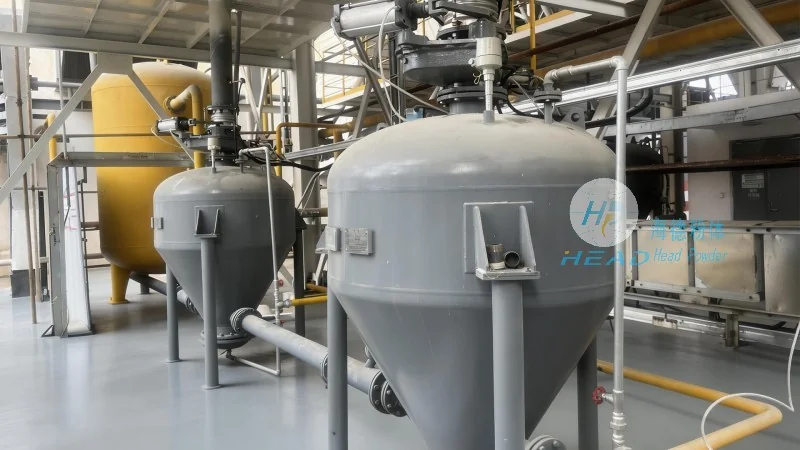
Customization and Integration Capabilities
HeadPowder recognizes that each industrial operation has unique needs, and therefore, offers customized pneumatic conveying solutions for wood fiber materials. The company’s engineering team works closely with clients to assess their specific requirements, including material handling capacity, distance, and environmental constraints. Based on this analysis, tailored systems are designed, incorporating the appropriate air pressure levels, pipeline configurations, and control mechanisms. Integration with existing production lines is a key aspect of these solutions, ensuring seamless operation and minimal disruption to current workflows. The company also provides comprehensive support, including installation, commissioning, and ongoing maintenance services, to ensure the long-term reliability and efficiency of the systems. By leveraging advanced engineering and manufacturing capabilities, HeadPowder delivers solutions that meet the highest standards of performance and durability.




