Carbonaceous particle material pneumatic conveying systems represent a sophisticated technology for the efficient transportation of bulk materials. These systems utilize air or gas as the conveying medium to move granular or powdered materials from one location to another, offering significant advantages over traditional mechanical conveying methods. The core principle of such systems involves creating a pressure differential or using vacuum to draw the material into a pipeline, where it is then propelled through the system by the flow of air or gas. This approach minimizes material handling costs, reduces equipment wear, and enhances safety by eliminating the need for direct human contact with the conveyed material.
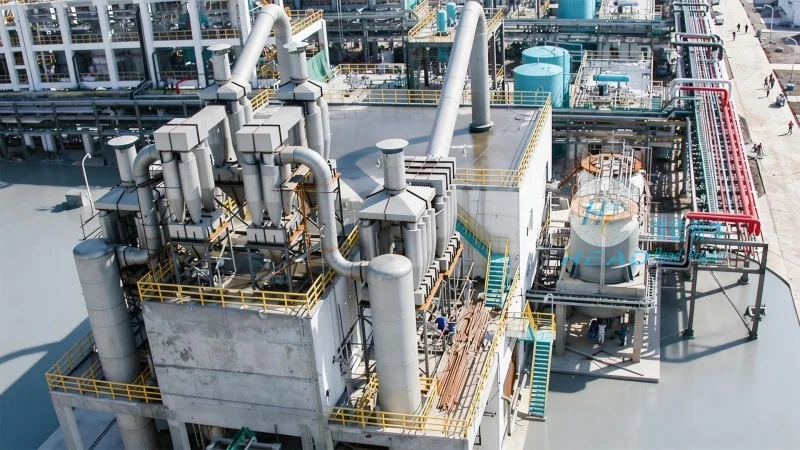
Working Principle of Pneumatic Conveying Systems
The fundamental principle of pneumatic conveying for carbonaceous particles is based on fluid dynamics and particle transport. In a typical system, the material is introduced into a hopper or feeder, where it is then drawn into a pipeline by a fan or blower that generates the necessary airflow. The air velocity within the pipeline must be sufficient to overcome the gravitational and frictional forces acting on the particles, ensuring stable and continuous transport. The system can operate under either positive pressure (where air is forced through the pipeline) or negative pressure (where a vacuum is created to draw material into the system). The choice of operating mode depends on factors such as material properties, system layout, and the distance to be covered.
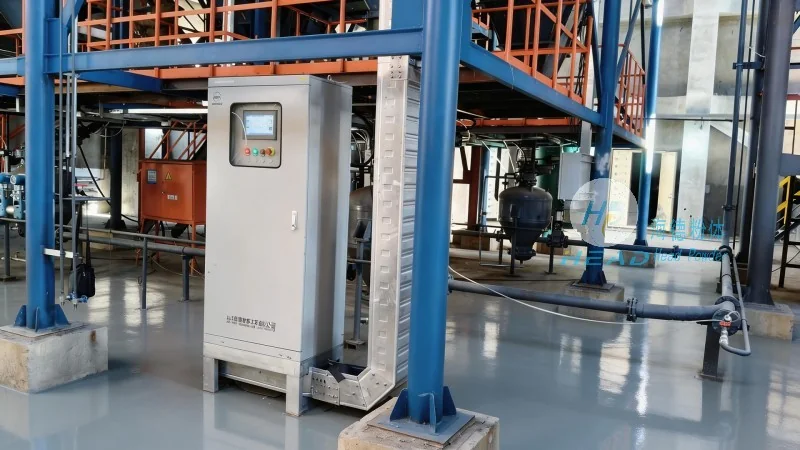
Key Components and Their Functions
Carbonaceous particle pneumatic conveying systems consist of several critical components, each playing a vital role in the overall operation. These components include the hopper or feeder, which holds the material and controls its flow rate; the conveying line, which transports the material and air mixture; the fan or blower, which provides the necessary airflow; and the receiver or discharge unit, which collects the material at the destination. Additionally, systems may incorporate accessories such as filters, cyclones, and pressure regulators to ensure efficient operation and maintain material quality. The hopper design is crucial, as it must prevent material bridging or caking, which can disrupt the flow. The conveying line is typically made of materials resistant to corrosion and wear, such as stainless steel or special alloys, to withstand the abrasive nature of carbonaceous particles.
Working Scene Characteristics and Applications
The working scene characteristics of carbonaceous particle pneumatic conveying systems are tailored to specific industrial applications, ensuring optimal performance in diverse environments. These systems are widely used in industries such as carbon manufacturing, chemical processing, and food processing, where the transport of fine or abrasive materials is required. The flexibility of pneumatic conveying allows for the movement of materials over long distances, around obstacles, and at varying heights, making it suitable for complex plant layouts. The systems are also adaptable to different material types, including coal, graphite, and other carbon-based powders, each with unique properties that influence the design and operation of the conveying system. For example, materials with high abrasiveness may require reinforced pipelines and more robust equipment to prevent wear and tear, while materials that are prone to dust generation may necessitate additional filtration and dust control measures.
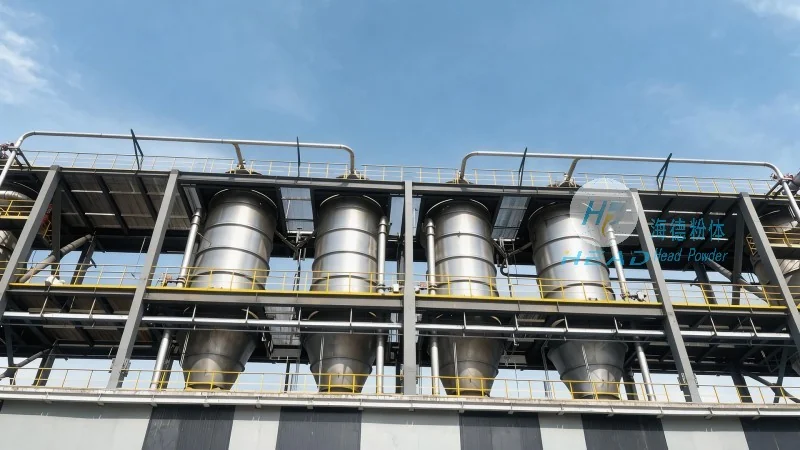
Advantages and Benefits in Industrial Settings
Implementing carbonaceous particle pneumatic conveying systems offers numerous advantages in industrial settings. One of the primary benefits is the reduction in material handling costs, as the system eliminates the need for manual or mechanical loading and unloading, which can be labor-intensive and time-consuming. Additionally, pneumatic conveying reduces equipment wear and maintenance costs compared to traditional methods, as there are fewer moving parts and less direct contact between the material and machinery. The systems also enhance safety by minimizing the risk of dust explosions and reducing the exposure of workers to hazardous materials. Furthermore, the ability to transport materials in a closed system prevents contamination and environmental pollution, which is particularly important for materials like carbon powders that may be harmful if released into the atmosphere. The efficiency of these systems in terms of energy consumption and material throughput also contributes to overall operational savings, making them a cost-effective solution for many industrial applications.




