Shandong HeadPowder Engineering Co., Ltd., commonly known as HeadPowder, is a professional manufacturer and supplier specializing in industrial powder handling equipment. The company is headquartered in Shandong, China, and has established itself as a trusted partner in the field of pneumatic conveying systems for various industrial applications.
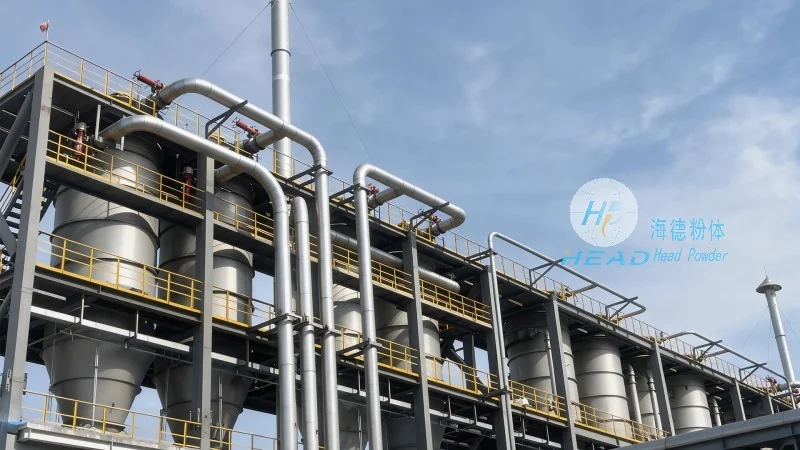
Introduction to Magnesia Powder Pneumatic Conveyor
HeadPowder's magnesia powder pneumatic conveyor is a specialized piece of equipment designed to efficiently transport magnesia powder, a key raw material widely used in refractory, ceramics, and other industrial sectors. This system utilizes pneumatic principles to move powder materials through a pipeline network, offering a reliable and flexible solution for material handling in production lines. The design of the conveyor is optimized to handle the specific characteristics of magnesia powder, ensuring minimal degradation and consistent performance.
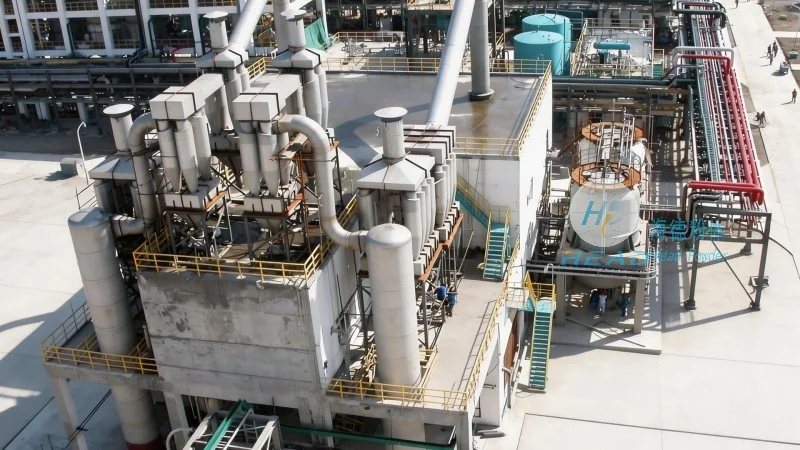
Operation Process of the Magnesia Powder Pneumatic Conveyor
The operation of the magnesia powder pneumatic conveyor involves several key steps that ensure smooth and continuous material transport. First, the magnesia powder is fed into the system via a hopper or feeder, which maintains a consistent material level. The feeder then delivers the powder to the inlet of the conveyor, where it is introduced into the air stream. The air, typically supplied by a positive displacement blower or a rotary lobe pump, creates a high-velocity flow that entrains the powder particles, forming a dense or dilute phase flow depending on the system design. As the mixture travels through the pipeline, it passes through various components such as bends, elbows, and filters, which are designed to maintain the integrity of the powder and prevent blockages. The conveyor then delivers the powder to the discharge point, where it is collected in a receiving hopper or directly into the next processing stage. The entire process is controlled by a programmable logic controller (PLC), which monitors parameters like air pressure, flow rate, and material level, ensuring optimal operation and preventing system failures.
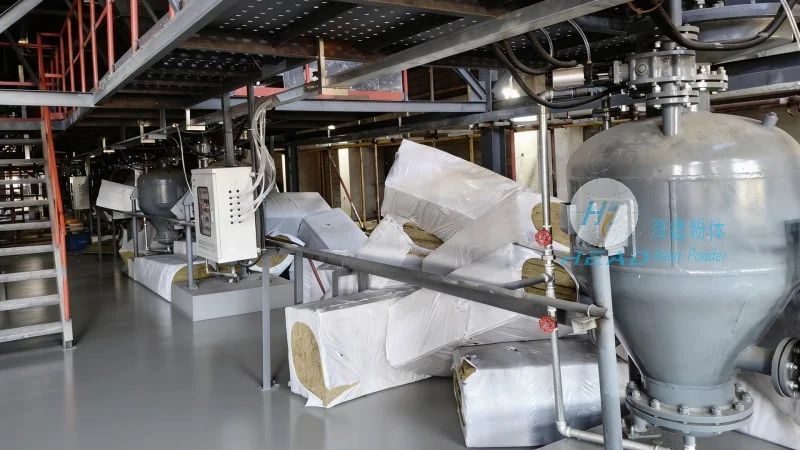
Working Principle of the Magnesia Powder Pneumatic Conveyor
The working principle of the magnesia powder pneumatic conveyor is based on the fundamental concept of pneumatic conveying, where air is used as the medium to transport solid particles. The system operates by creating a pressure differential between the inlet and outlet of the pipeline. In a positive pressure system, the blower supplies compressed air at a higher pressure than the ambient air, forcing the powder-air mixture through the pipeline. The air velocity is maintained above the minimum fluidization velocity of the magnesia powder, which is the speed at which the powder particles are suspended in the air stream. This ensures that the powder does not settle or accumulate in the pipeline, preventing clogging and maintaining a consistent flow rate. The system may also incorporate a vacuum or negative pressure mode for certain applications, where the air is drawn from the discharge end to create suction and pull the powder from the source. The design of the conveyor, including the size of the pipeline, the type of air nozzle, and the configuration of the bends, is critical to achieving efficient and reliable conveying of magnesia powder. Proper selection of these components ensures that the system operates with minimal energy consumption and maximum material throughput.
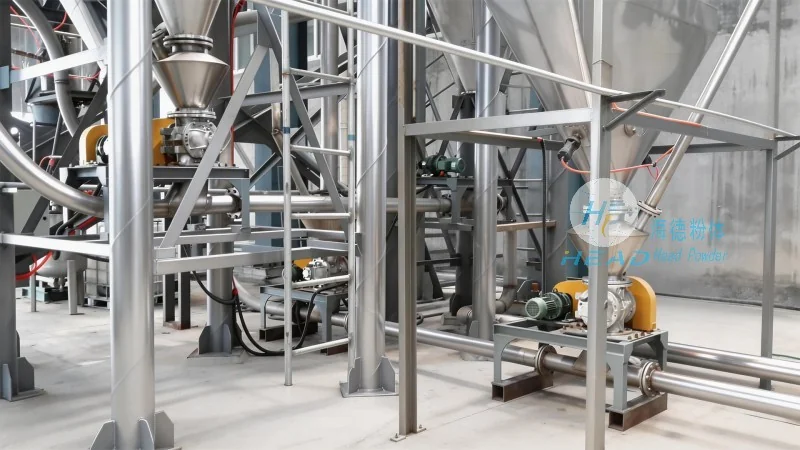
Key Features and Benefits of the Magnesia Powder Pneumatic Conveyor
HeadPowder's magnesia powder pneumatic conveyor offers several advantages that make it an ideal choice for industrial applications. One of the primary benefits is its ability to handle abrasive and fine powders like magnesia without causing excessive wear or degradation. The system's design minimizes material contact with metal surfaces, reducing the risk of contamination and ensuring the purity of the product. Additionally, the conveyor is highly flexible, allowing for easy integration into existing production lines and the ability to transport materials over long distances or through complex layouts. The use of pneumatic conveying also eliminates the need for mechanical components such as belts or screws, which can be prone to maintenance and failure. The system is also energy-efficient, as the air flow can be adjusted to match the required material throughput, reducing operational costs. Furthermore, the conveyor is equipped with safety features such as pressure relief valves and overcurrent protection, ensuring safe operation in industrial environments.




