Polycarbonate is a high-performance thermoplastic widely used in various industries due to its excellent impact resistance, transparency, and chemical stability. The efficient handling of polycarbonate powder is crucial for manufacturers, as it directly impacts production efficiency and product quality. Pneumatic conveying systems offer a reliable solution for transporting polycarbonate powder, and understanding their principles and application scenarios is essential for optimizing industrial processes.
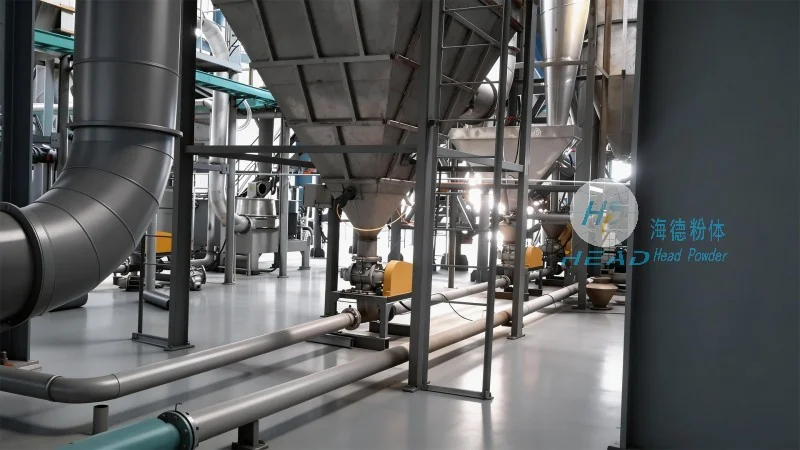
Introduction to Polycarbonate Powder Pneumatic Conveying Equipment
This section introduces the fundamental concepts of pneumatic conveying systems designed for polycarbonate powder handling. Polycarbonate is a high-performance thermoplastic known for its durability, transparency, and resistance to impact and chemicals. The equipment developed by Shandong HeadPowder Engineering Co., Ltd. addresses the unique challenges of transporting this material efficiently and safely. Pneumatic conveying offers a non-contact method to move powders, minimizing product contamination and degradation, which is critical for applications requiring high-purity polycarbonate.
Company Profile: Shandong HeadPowder Engineering Co., Ltd.
HeadPowder, the brand under Shandong HeadPowder Engineering Co., Ltd., specializes in engineering solutions for powder handling and material transport. With a focus on industrial applications, the company leverages advanced technology to design and manufacture pneumatic conveying systems tailored to specific material properties. HeadPowder's operations are based in Shandong, China, where the company combines expertise in mechanical engineering with a deep understanding of powder flow dynamics. This local presence allows for responsive customer support and tailored system integration, ensuring that clients receive equipment optimized for their operational needs.
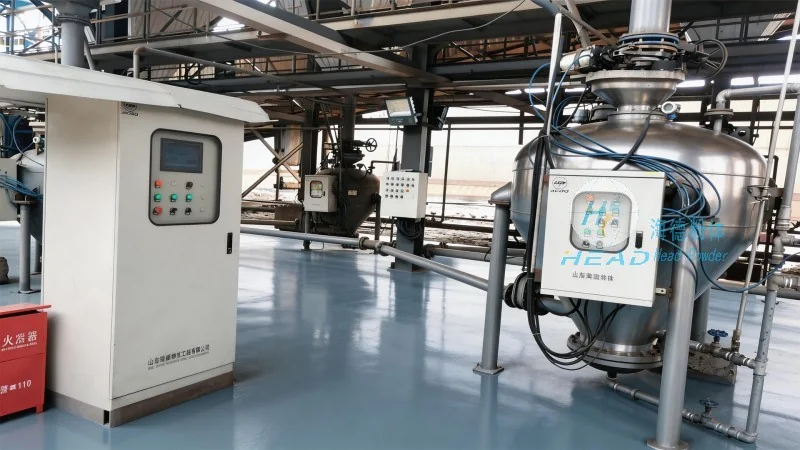
The Working Principle of Pneumatic Conveying Systems
Pneumatic conveying systems operate by using compressed air to transport polycarbonate powder through a network of pipes. The process typically involves a feeding mechanism that introduces the powder into the system, followed by a series of pressure and vacuum zones that propel the material. There are two primary types of pneumatic conveying: pressure and vacuum systems. Pressure systems use positive pressure to push the powder, while vacuum systems use negative pressure to pull it. For polycarbonate, a pressure system is often preferred due to the material's density and flow characteristics. The system includes components such as a hopper, air compressor, filter, and discharge valve, each playing a critical role in maintaining consistent flow and preventing material blockages.
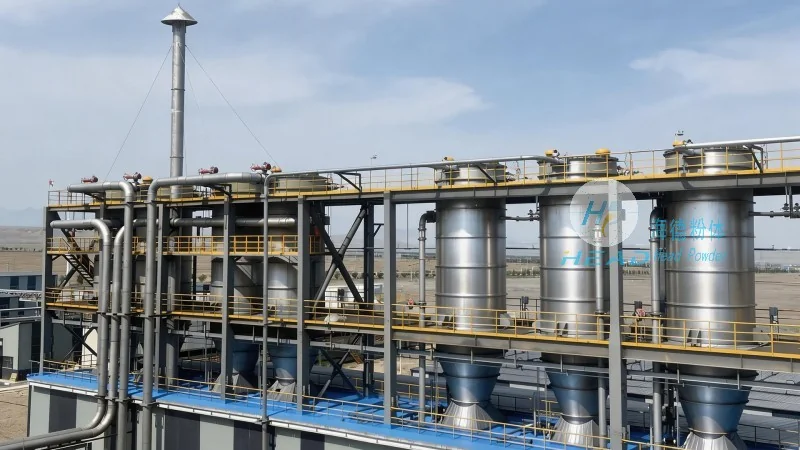
Key Features and Technical Specifications
The pneumatic conveying equipment from HeadPowder is engineered with several key features that enhance performance and reliability. These include high-efficiency air compressors that minimize energy consumption, advanced filtration systems to ensure clean air and prevent dust accumulation, and robust hopper designs that accommodate the bulk storage of polycarbonate powder. The systems are designed to handle varying particle sizes and moisture content, with adjustable air flow rates to maintain optimal conveying velocities. Technical specifications include a maximum conveying distance of up to 100 meters, a capacity range from 0.5 to 10 tons per hour, and compatibility with standard industrial air pressure systems (typically 6-8 bar). These specifications ensure that the equipment can be integrated into existing production lines without significant modifications.
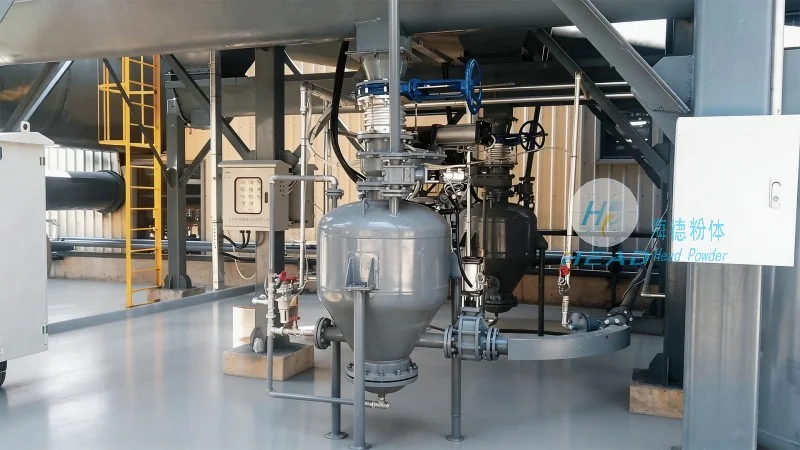
Application Scenarios and Operational Advantages
The equipment is widely used in various industrial applications where polycarbonate powder needs to be transported between processing stages. Common scenarios include material transfer from storage silos to mixing or extrusion units in plastic manufacturing plants. The advantages of pneumatic conveying over traditional methods, such as bucket elevators or screw conveyors, are significant. Pneumatic systems eliminate the need for moving parts in contact with the powder, reducing wear and maintenance costs. They also provide a more hygienic environment, which is essential for food-grade or medical applications where polycarbonate is used. Additionally, the system's ability to handle vertical and horizontal transport simultaneously allows for flexible layout designs, optimizing factory space utilization. The non-contact nature of the process also prevents product contamination, ensuring that the polycarbonate remains in its original state, which is critical for applications requiring high purity.
Maintenance and Operational Considerations
Proper maintenance is essential to ensure the long-term performance and reliability of the pneumatic conveying system. Regular checks of the air compressor and filtration system are necessary to prevent dust buildup and maintain air quality. The hopper and feeding mechanisms should be inspected for any signs of wear or blockage, as these components are critical to consistent material flow. HeadPowder provides comprehensive maintenance services, including on-site inspections and component replacement, to minimize downtime. Operational considerations also include monitoring air pressure and flow rates to ensure optimal conveying performance. The system's control panel allows for real-time adjustments, enabling operators to respond quickly to changes in material feed or process demands. By adhering to recommended maintenance schedules and operational guidelines, users can maximize the lifespan of the equipment and maintain consistent production output.




