Hydroxide cobalt powder, as a critical raw material in the battery industry, requires efficient and reliable transportation methods to ensure stable production processes. Pneumatic conveying equipment has emerged as a preferred solution for handling such powders due to its ability to transport materials in a closed system, minimizing dust exposure and environmental impact. This article delves into the working principles of hydroxide cobalt powder pneumatic conveying equipment and explores the key characteristics of its application scenarios, providing insights into how such systems enhance operational efficiency and safety in industrial settings.
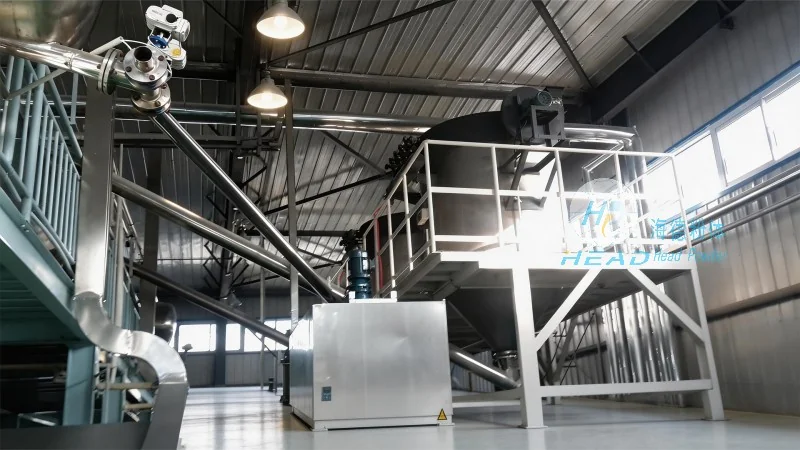
Introduction to Hydroxide Cobalt Powder Pneumatic Conveying Systems
Hydroxide cobalt powder, often used in lithium-ion battery production, is characterized by its fine particle size and high reactivity. Traditional conveying methods like belt conveyors or bucket elevators may not be suitable due to the risk of dust generation and material degradation. Pneumatic conveying systems offer a solution by utilizing air pressure to move the powder through a pipeline network. The core components of such a system typically include a feeding hopper, a rotary valve, a conveying pipeline, a dust collector, and a receiver. Each component plays a vital role in ensuring the smooth and safe transport of hydroxide cobalt powder from the storage area to the processing units.
Working Principle of Pneumatic Conveying Equipment
The fundamental principle of pneumatic conveying for hydroxide cobalt powder involves creating a pressure differential within the conveying pipeline. In a positive pressure system, compressed air is introduced into the pipeline, pushing the powder forward. The air velocity is carefully controlled to maintain a stable flow rate, preventing particle segregation and ensuring uniform transport. Conversely, in a negative pressure (or vacuum) system, the pipeline is kept under a slight vacuum, drawing the powder into the system. The choice between positive and negative pressure depends on factors such as the distance to be covered, the material's properties, and the overall system design. For hydroxide cobalt powder, positive pressure systems are commonly preferred due to their ability to handle longer distances and higher material loads without excessive energy consumption.
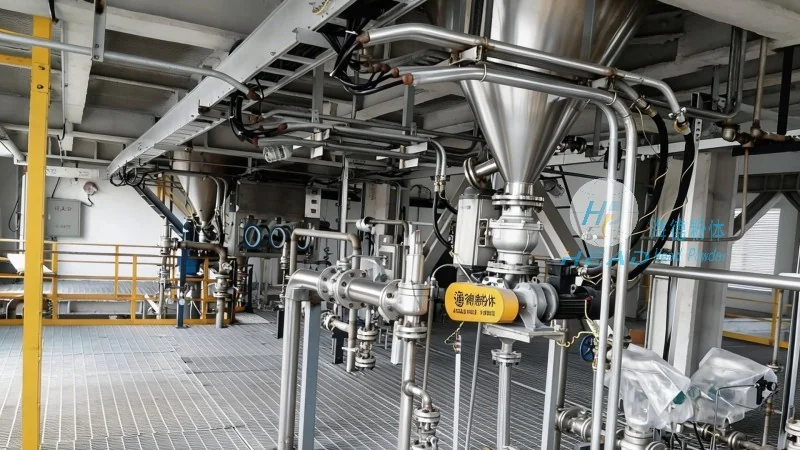
Key Components and Their Functions
The efficiency of a hydroxide cobalt powder pneumatic conveying system relies on the proper functioning of several key components. The feeding hopper is designed to store the powder and provide a controlled feed rate to the system. It often includes a level indicator and a discharge valve to regulate the material flow. The rotary valve, located at the outlet of the hopper, acts as a gate to control the powder discharge into the conveying pipeline. This component prevents backflow and ensures a consistent flow of material. The conveying pipeline is typically made of stainless steel or other corrosion-resistant materials to withstand the chemical properties of hydroxide cobalt powder. The pipeline diameter and length are optimized based on the material's flow characteristics and the required transport capacity. A dust collector is integrated into the system to capture any fine particles that may escape during the conveying process, ensuring compliance with environmental regulations and maintaining a clean working environment. Finally, the receiver is the terminal where the powder is deposited, often equipped with a discharge valve to allow for easy unloading.
Application Scenarios and Operational Advantages
Hydroxide cobalt powder pneumatic conveying equipment is widely used in various industrial applications, particularly in the battery manufacturing sector. One common scenario is the transportation of hydroxide cobalt from a storage silo to a mixing or coating line. The closed system design minimizes dust exposure, which is crucial for maintaining a safe working environment and preventing material contamination. Another application is the transfer of powder between different production stages, such as from a grinding unit to a drying oven. The system's ability to handle fine powders without agglomeration ensures that the material properties are preserved throughout the process. Operational advantages of pneumatic conveying include reduced labor costs, as automated systems minimize manual handling, and improved product quality due to the prevention of dust-related defects. Additionally, the closed system design enhances safety by eliminating the risk of dust explosions, which is a significant concern in powder handling operations.
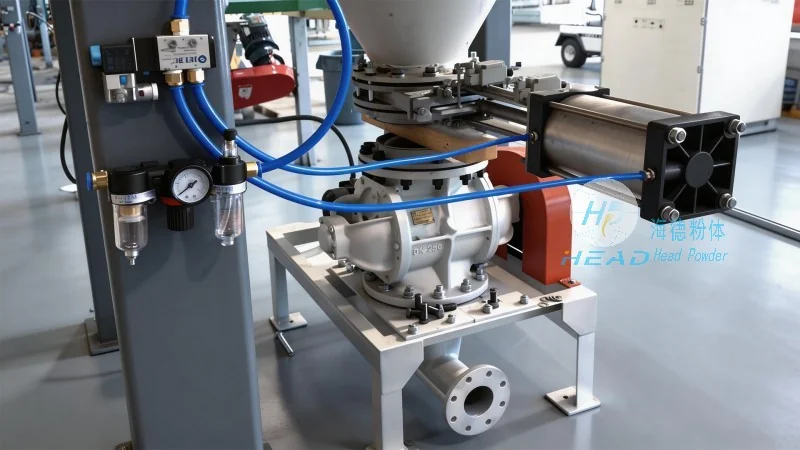
Considerations for System Design and Maintenance
When designing a hydroxide cobalt powder pneumatic conveying system, several factors must be considered to ensure optimal performance. The material properties of the powder, including particle size distribution, moisture content, and bulk density, significantly influence the system's design. For example, finer particles may require higher air velocities to maintain flow, while higher moisture content may necessitate additional drying steps. The system's capacity must be matched to the production requirements to avoid bottlenecks or overloading. Regular maintenance is essential to ensure the longevity and efficiency of the equipment. This includes cleaning the pipeline and components to prevent clogging, inspecting the rotary valve and air filters for wear and tear, and checking the dust collector's performance. Proper maintenance not only extends the system's lifespan but also ensures consistent performance and compliance with safety standards.
Conclusion
Hydroxide cobalt powder pneumatic conveying equipment plays a vital role in modern industrial operations, particularly in the battery industry. By leveraging the principles of pneumatic transport, these systems provide efficient, safe, and reliable methods for handling fine powders. The closed system design minimizes environmental impact and enhances workplace safety, while the automated operation reduces labor costs and improves product quality. As the demand for hydroxide cobalt powder continues to grow, the importance of well-designed and maintained pneumatic conveying systems will only increase. Companies like Shandong HeadPowder Engineering Co., Ltd., based in China, specialize in providing customized solutions tailored to the specific needs of their clients, ensuring that hydroxide cobalt powder is transported effectively and safely in various industrial applications.




